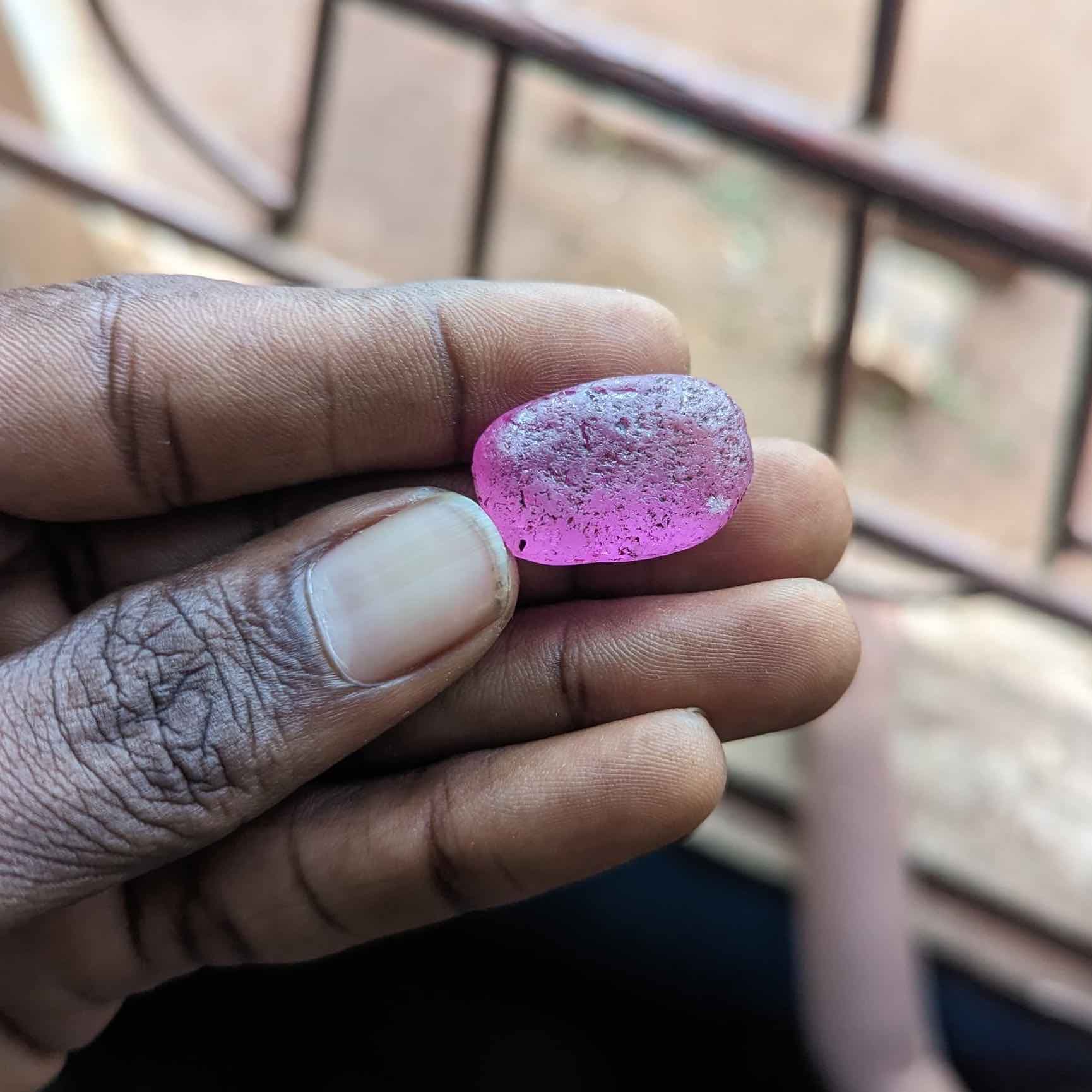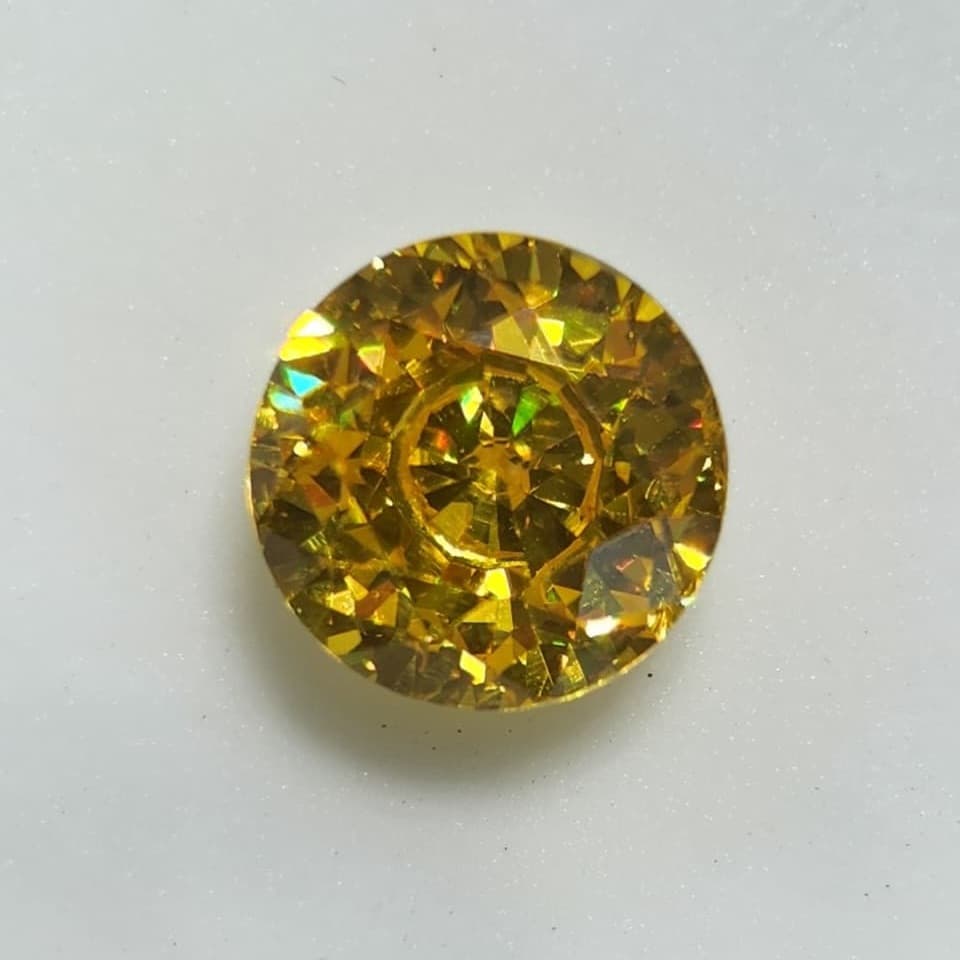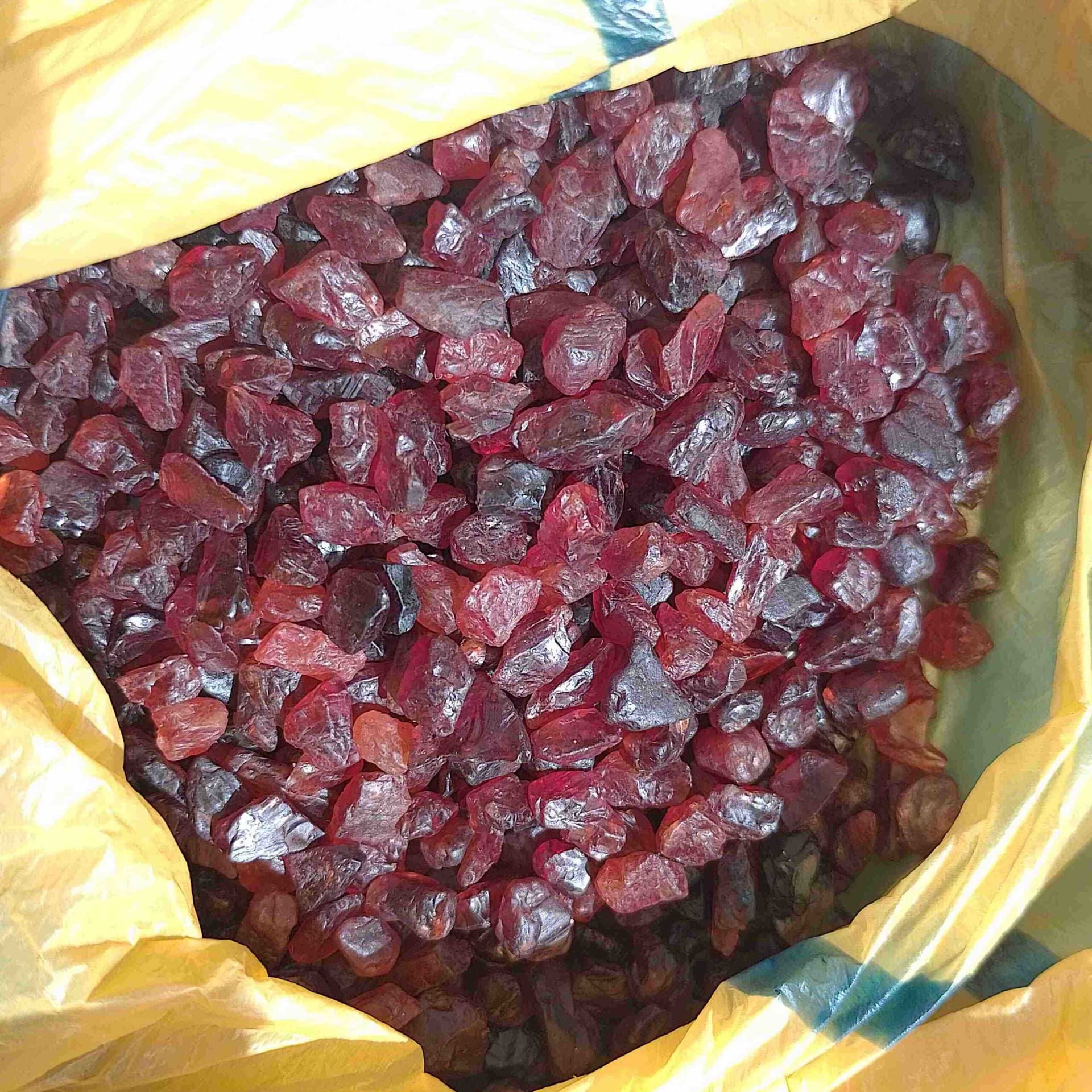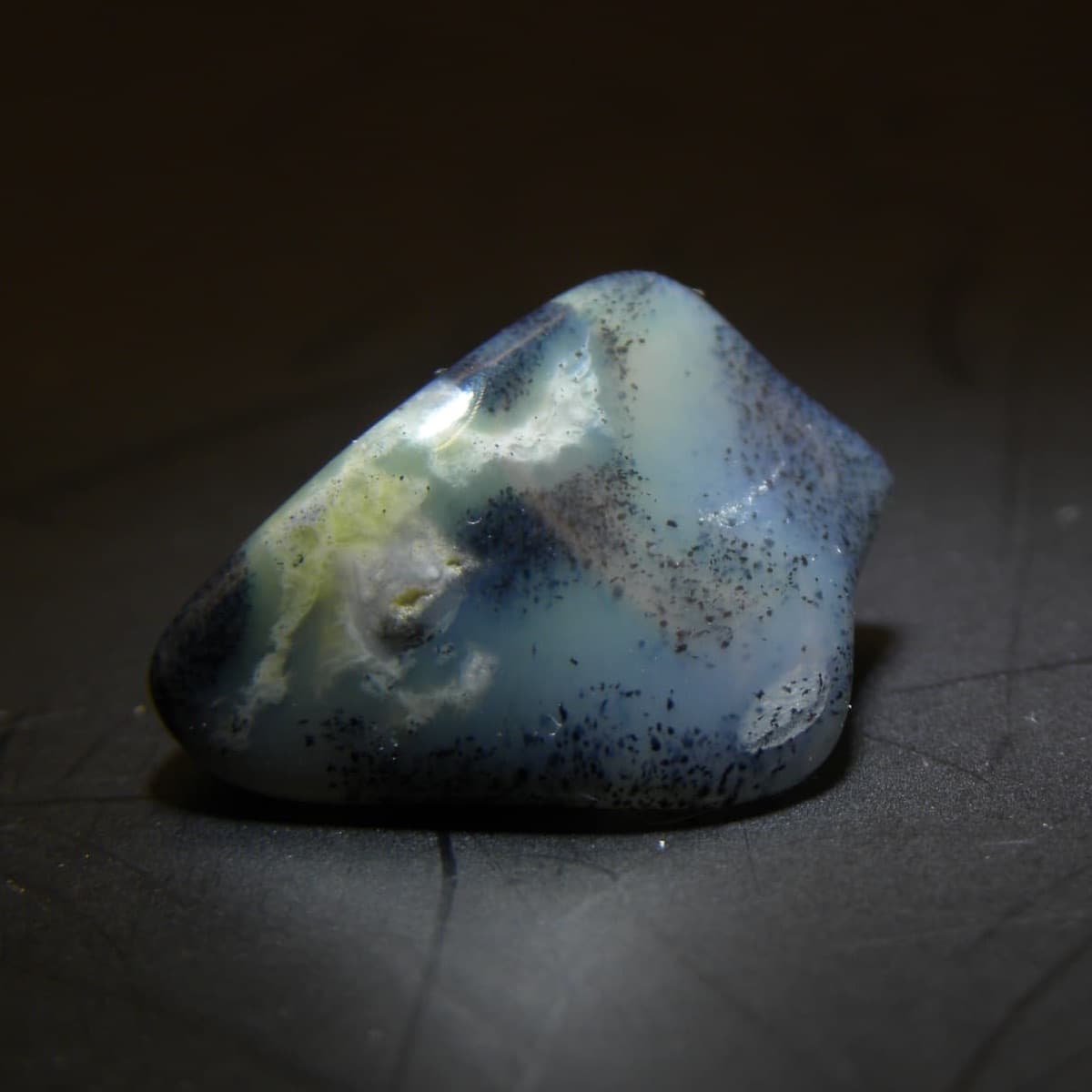
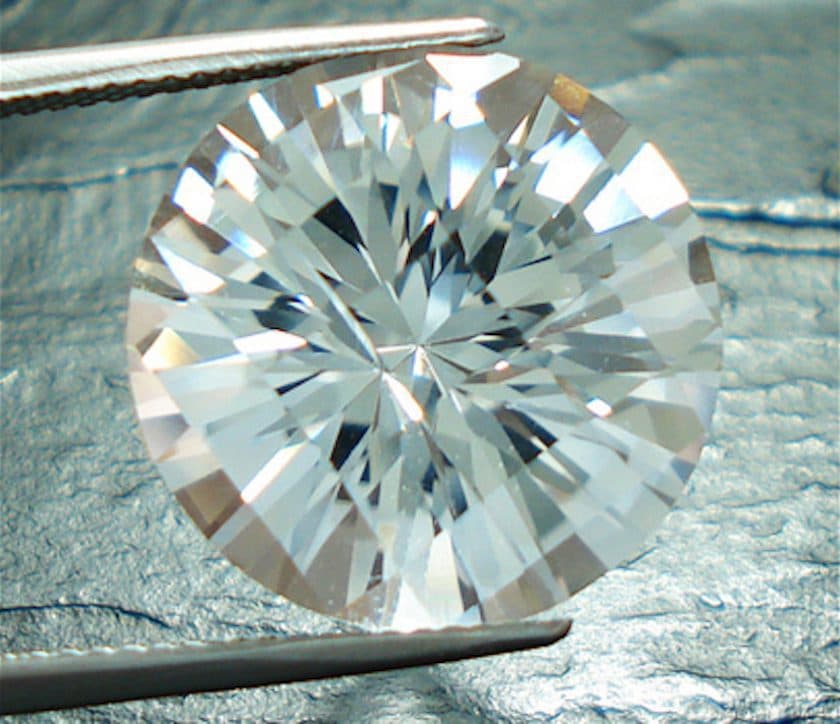
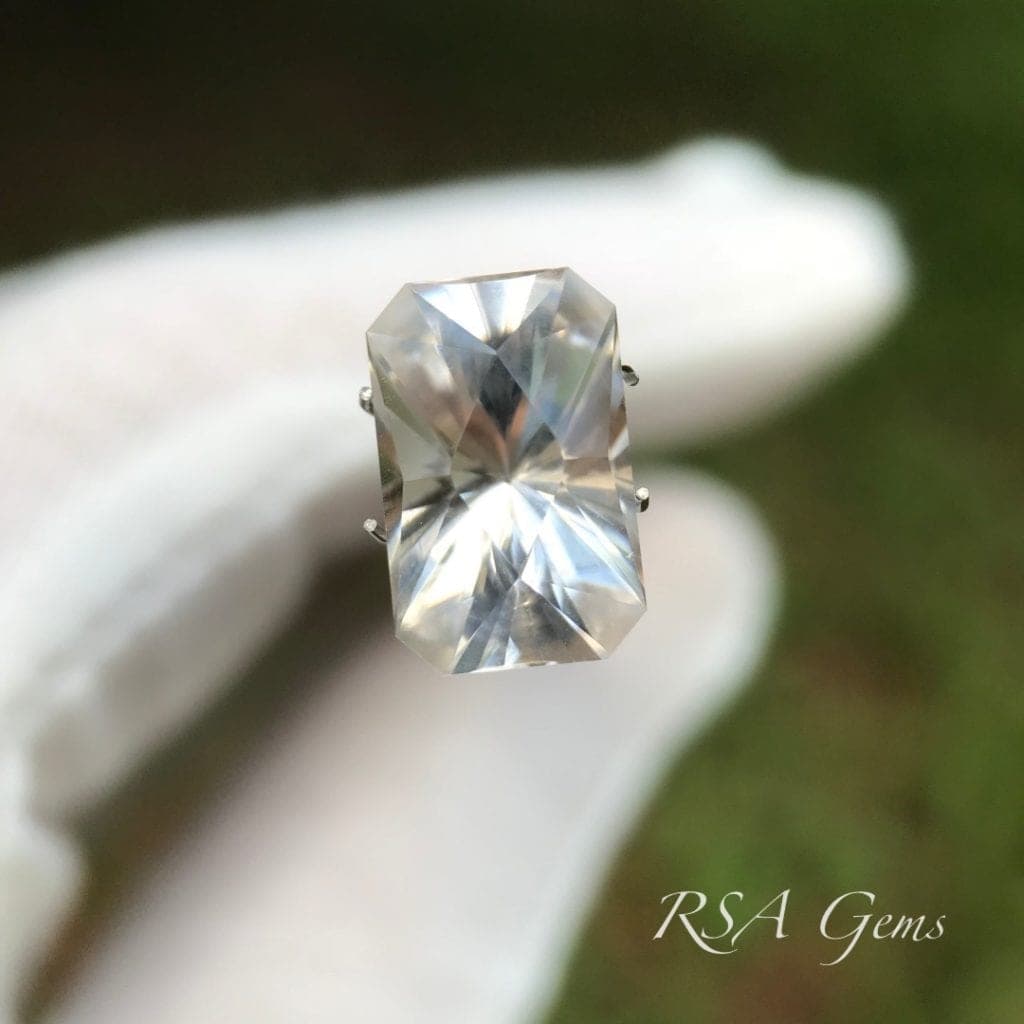
Topaz is a semiprecious gemstone made of aluminum and fluorine. Although frequently associated with golden yellow and blue, it can be found in a variety of colors including colorless. The rarest are natural pink, red, and fine reddish orange, known as Imperial Topaz.
5 Minute Read
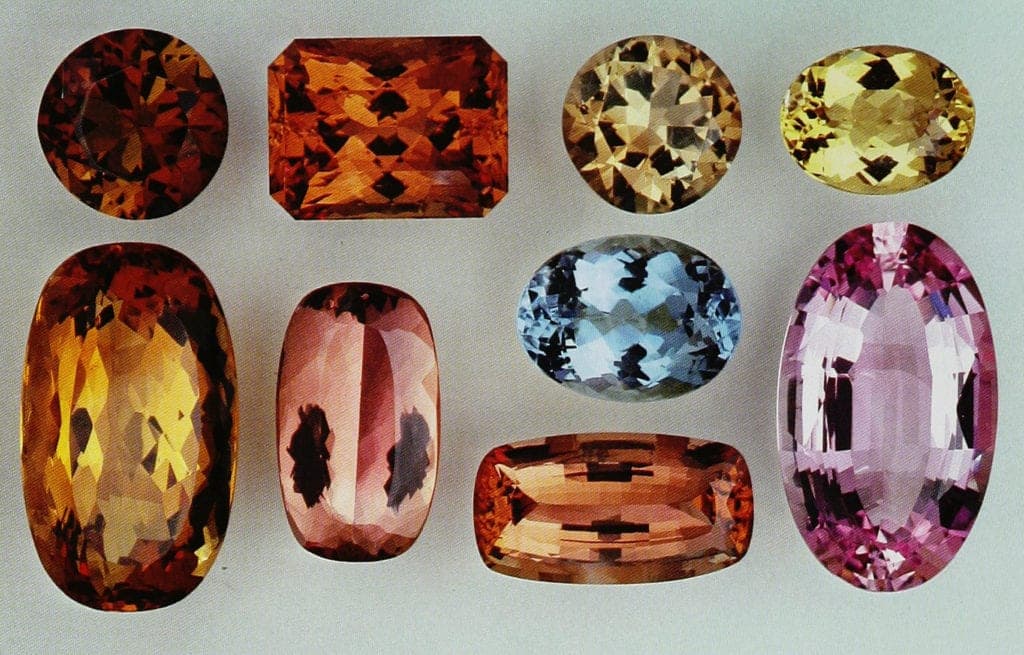
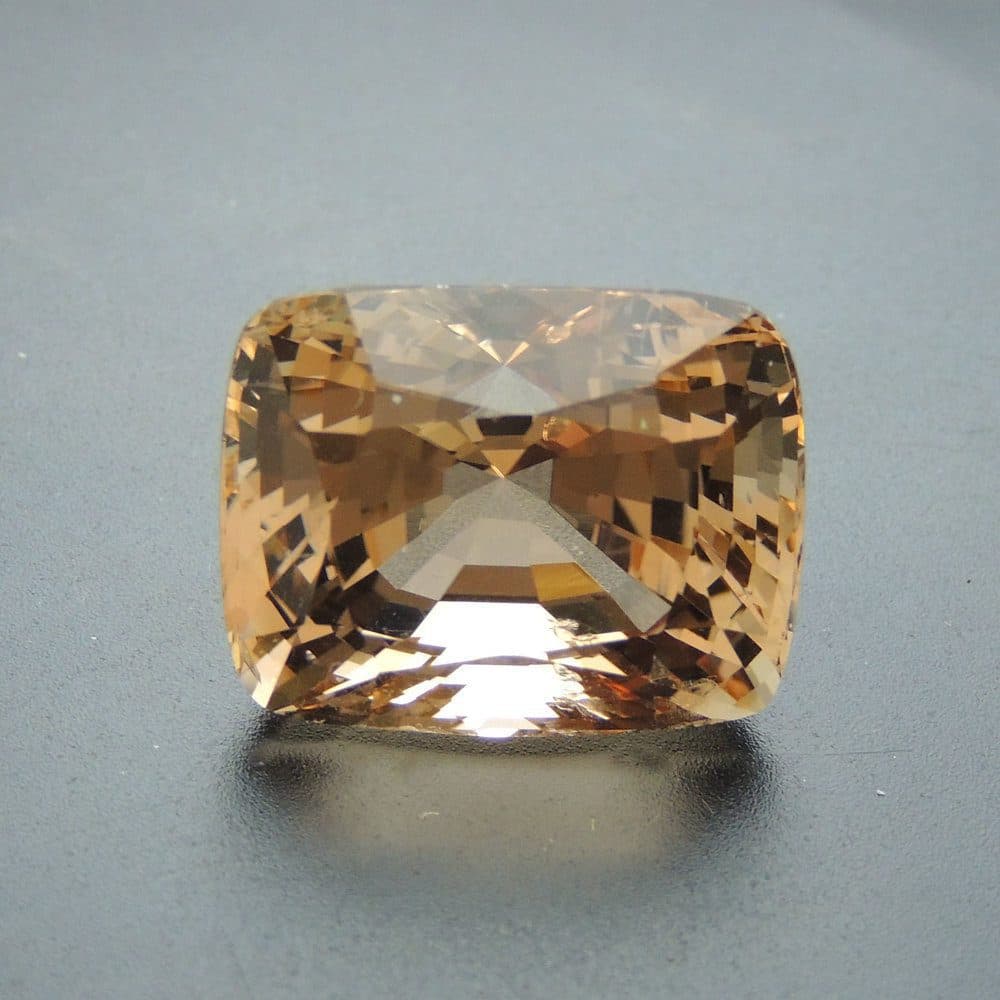
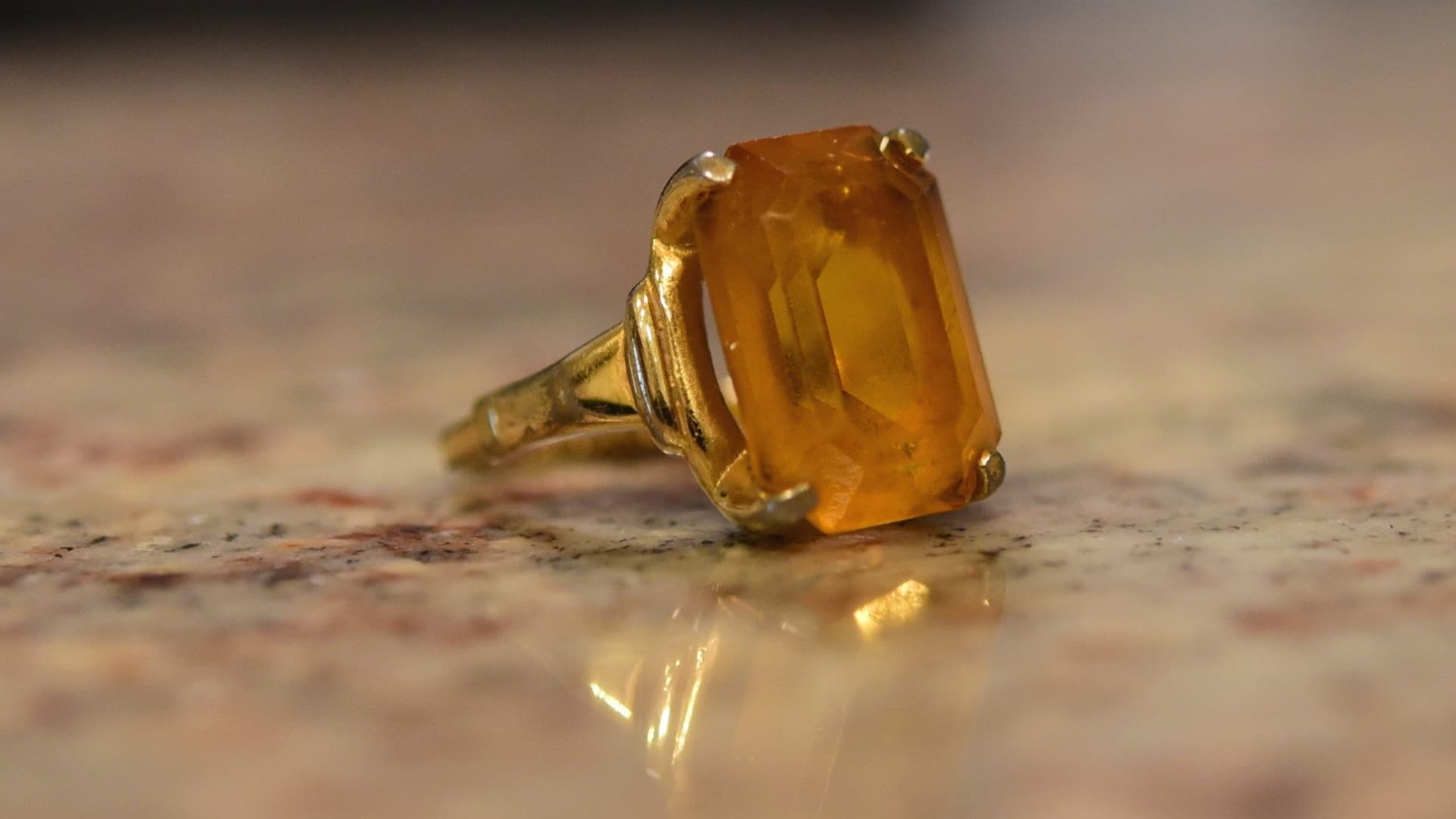
Traditionally, all yellow, brown, and orange transparent gems were called topaz. With the advent of modern gemology, many of these stones were re-classified as different species.
Because of topaz's long association with the color yellow, citrines are sometimes misidentified as topazes. However, citrine is a quartz, a distinct gem species. Topaz has different physical and optical properties than citrine, most notably greater hardness and brilliance.
The specific gravity (SG) and optics of topaz vary by stone color.
Locality | α | β | γ | Birefringence | SG | Color | Comments |
| Russia | 1.609 | - | 1.619 | 0.010 | 3.53 | blueish pale yellow | F-rich |
| Ouro Preto, Brazil | 1.629 | 1.631 | 1.637 | 0.008 | 3.53 | brownish | rich in (OH), Cr |
| Thomas Range, Utah | 1.607 | 1.61 | 1.618 | 0.011 | 3.56 | sherry | |
| Katlang, Pakistan | 1.629 | 1.632 | 1.649 | 0.010 | 3.52 | rose-pink | contains Cr |
| Katlang, Pakistan | 1.610 | 1.613 | 1.619 | 0.009 | 3.56 | brownish | |
| Tarryall Mountains, Colorado | 1.610 | - | 1.62 | 0.010 | 3.56 | blue | |
| Schneckenstein, Saxony Germany | 1.619 | - | 1.627 | 0.008 | 3.53 | faint yellow |
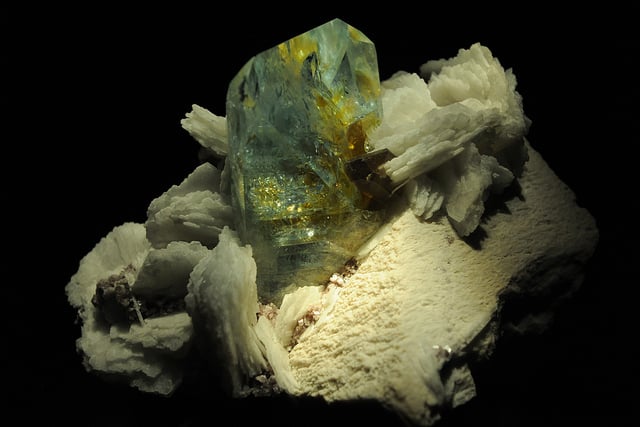
While topaz has been synthesized in labs, it's not usually commercially available.
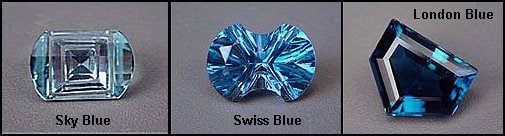
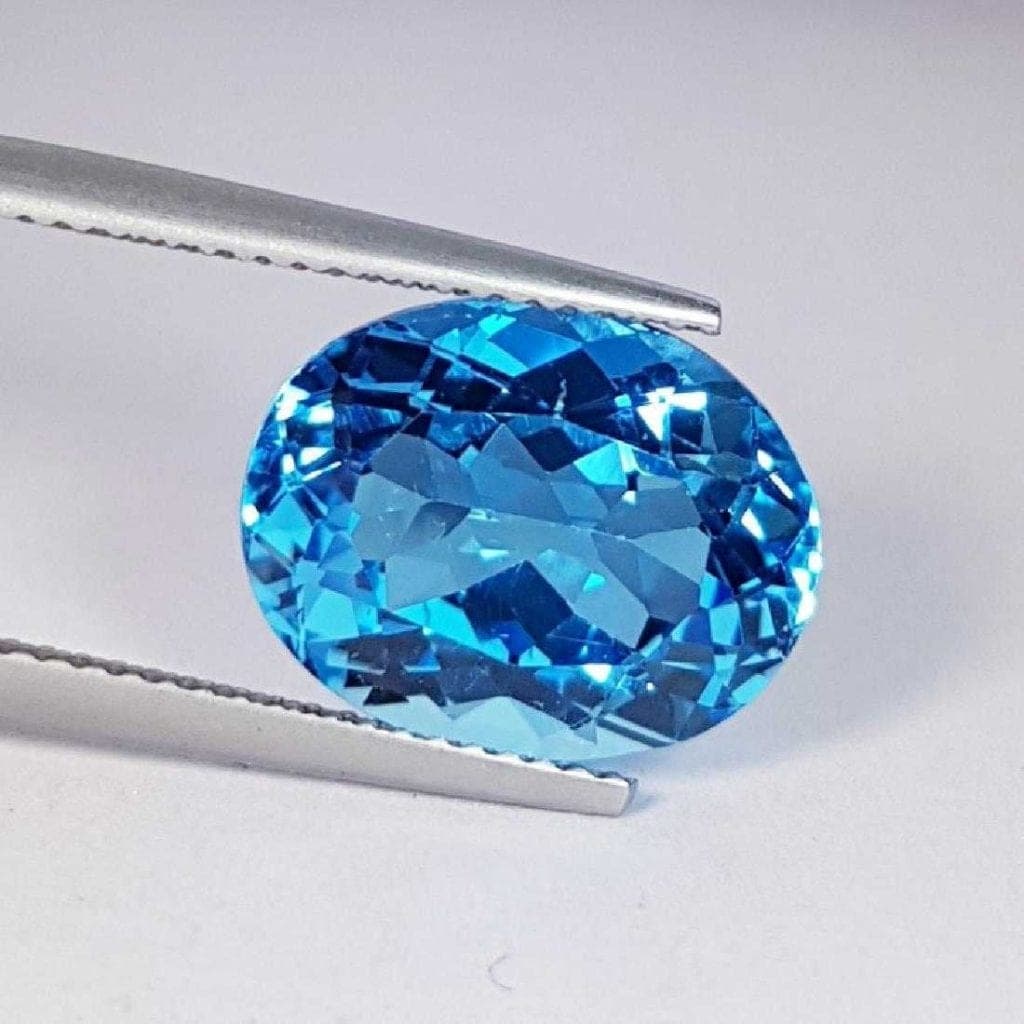
In the 1960's, a two-step method was discovered to turn colorless topaz blue. First, the rough is irradiated, turning it brown. Then, the brown stone is heated to achieve a stable, blue color. The process so nearly duplicates what happens in the Earth, a treated stone cannot be distinguished from a natural.
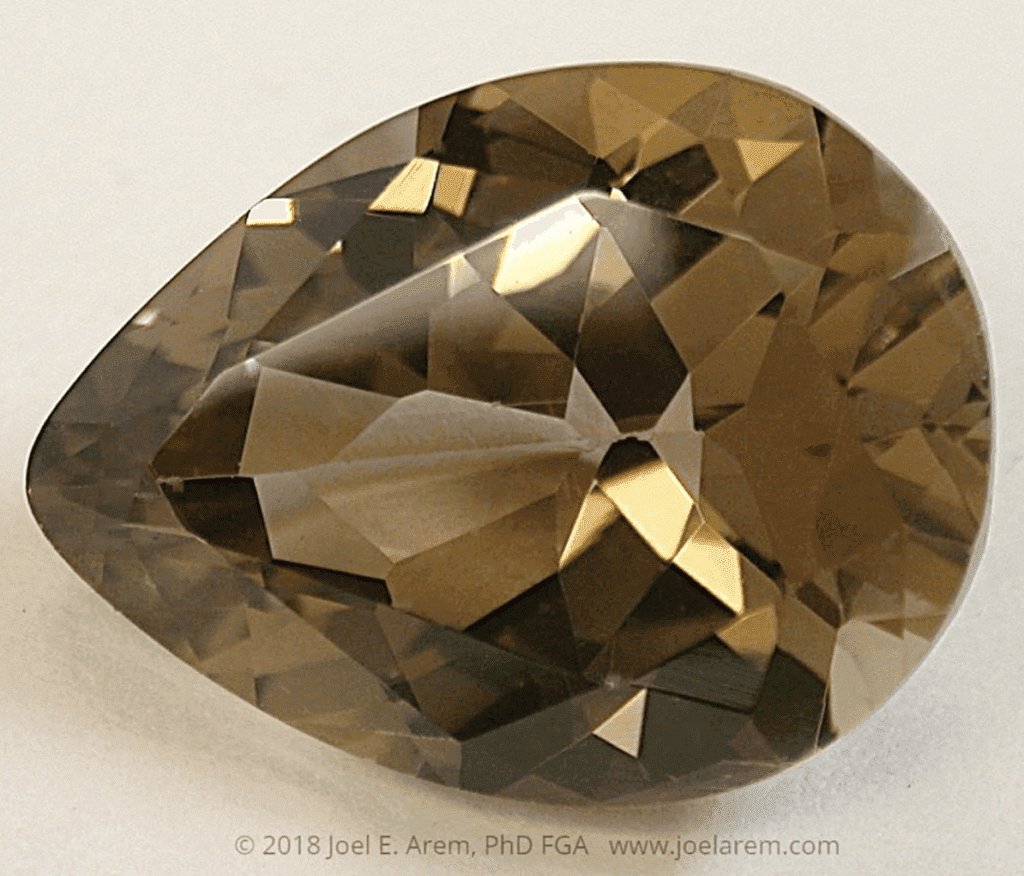
Prior to this development, natural, light blue topaz was rare and valuable, while colorless topaz was common and could be purchased cheaply per ton. The aftermath: prices for blue topaz fell, and these are now among the least expensive gems available.
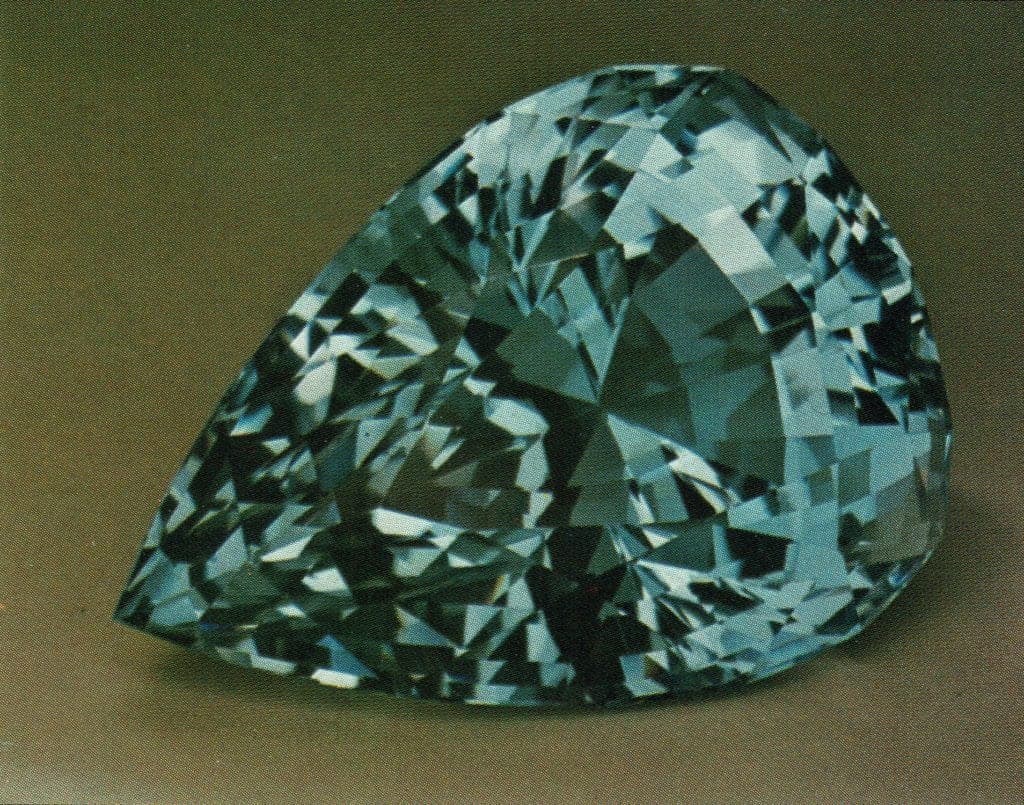
Topaz that has undergone this treatment and been turned dark blue is sometimes used as a simulant for aquamarine. These are distinct gem species. However, since topaz is typically less expensive than aquamarine, consumers should be wary of unscrupulous vendors who may try to sell treated topaz as aquamarine.
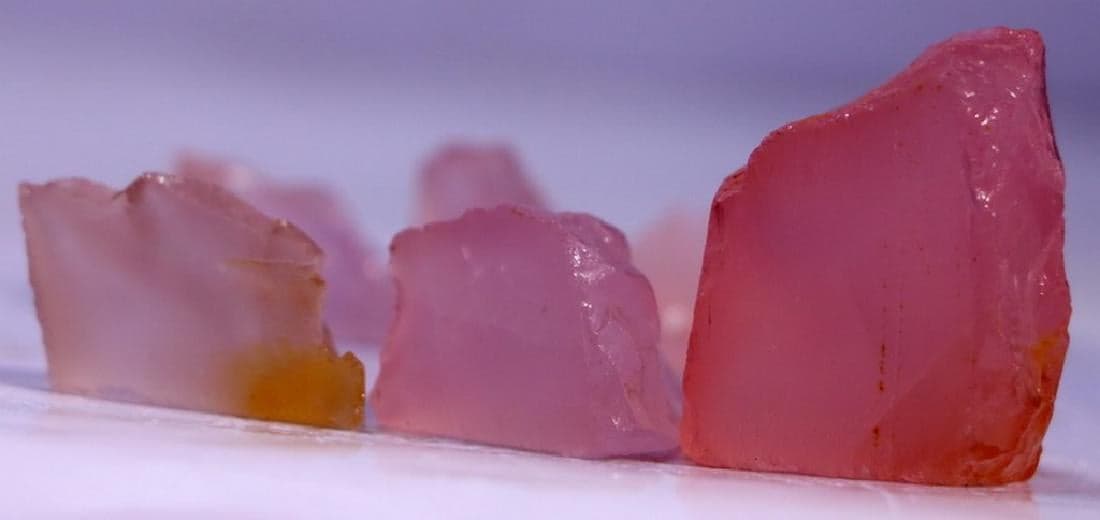
Heat treatments are also used to change some yellow, orange, and brown topaz to pink or red. This procedure is common, stable, and undetectable.
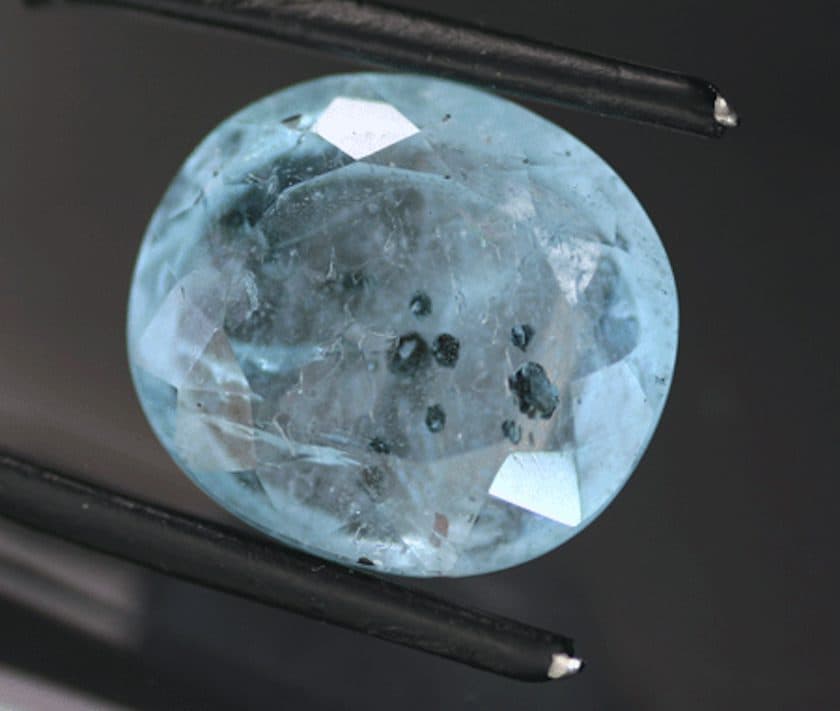
A chemical vapor deposition treatment (CVD) is used to create mystic topaz, a stone with a multicolored coating on its surface. This is a common procedure. The surface coating can easily be scratched. This treatment can be detected by immersion.
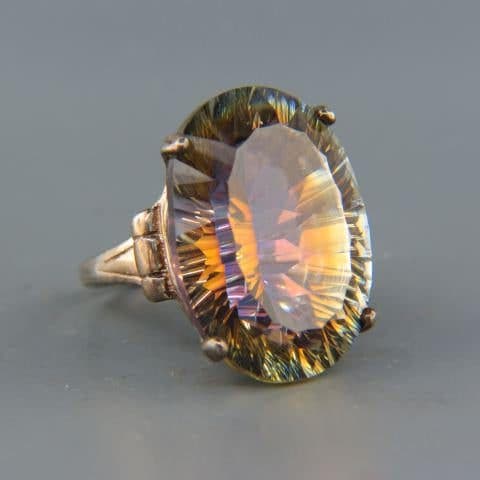
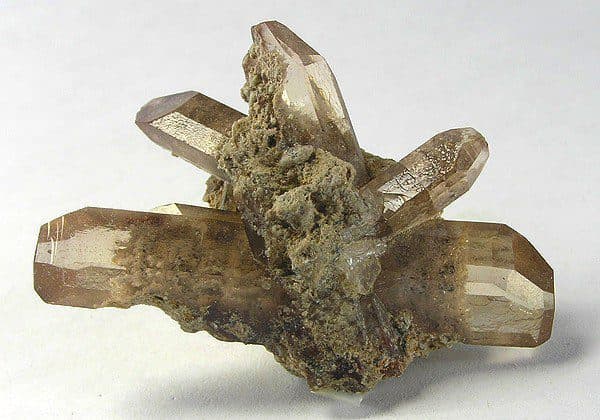
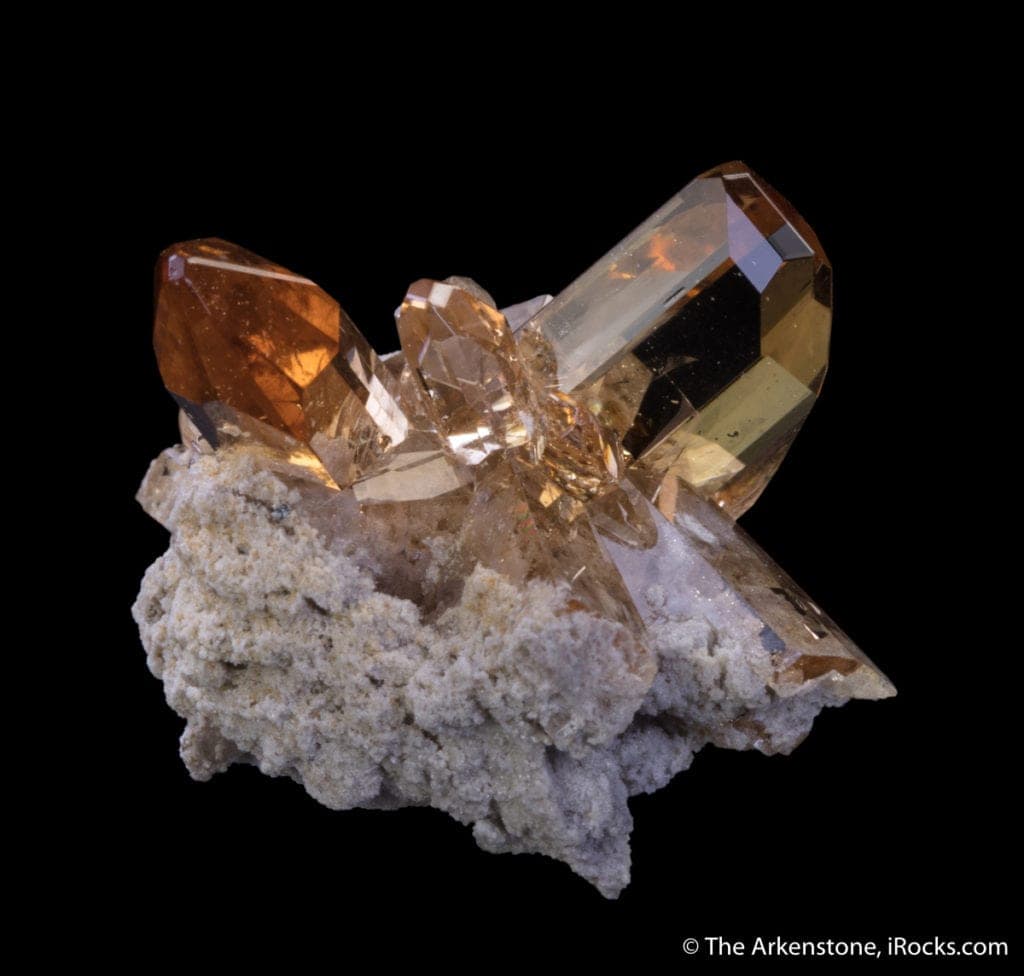
Brazil is the principal source of gem-quality topaz. Minas Gerais produces fine yellow to orange crystals, facetable to large sizes, as well as colorless and pale yellow crystals up to several hundred pounds in size. These crystals are typically transparent. This locality also produces pale blue crystals and rolled pebbles, much of which is facetable.
Some orange crystals from Ouro Preto contain chromium (Cr). When heated (burned), they turn pink and show a Cr spectrum. Such material may be distinctly reddish even before heating.
Russia is another major source of gem-quality topaz. The Ural Mountains region produces fine blue crystals, often cuttable, as well as gemmy material in green and magenta colors. Sanarka produces pink topazes.
Queensland and Tasmania yield blue, colorless and brownish gem crystals. Tingha, New South Wales produces green, gemmy material.
San Luis Potosí produces fine brownish to sherry-colored crystals, as well as colorless and some yellowish, in many excellent, cuttable forms. Some of this material can be darkened by irradiation, but the color fades in sunlight.
Mardan produces fine pink crystals, terminated and cuttable, in limestone matrix, at Ghundao Hill, near Katlang.
Other notable, gem-quality sources include the following:
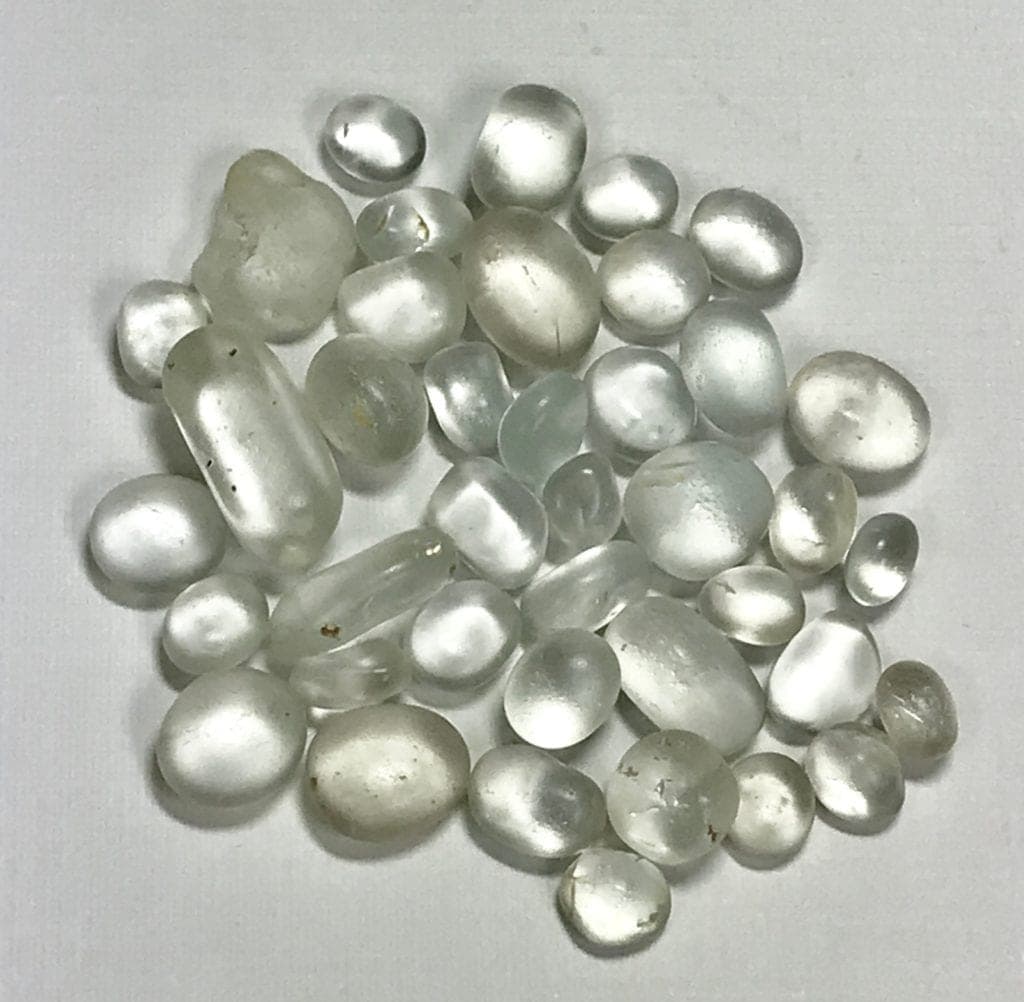
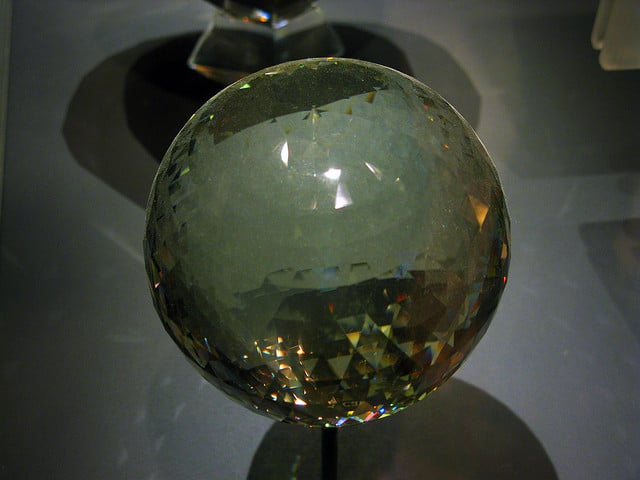
Topaz crystals may weigh hundreds of pounds and are often quite gemmy at this size. Gems up to 20,000 carats have been cut from material of various colors. Museums seem to delight in obtaining monster-sized topaz gems for display. Pink gems over 5 carats (Pakistan) are rare, however, and a Brazilian deep orange gem weighing more than 20 carats is considered large.
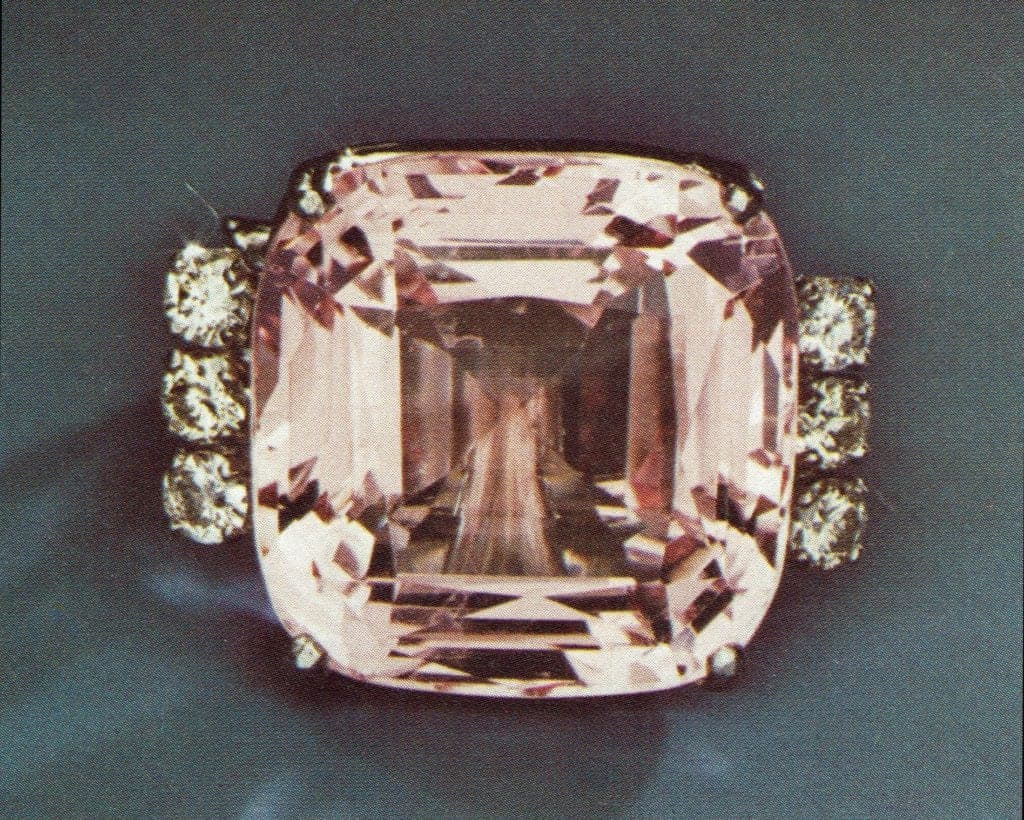
The largest known pink topaz is an oval of 79+ carats from Russia. The largest Brazilian topaz crystal ever found of an orange color reportedly measured 5 x 27 cm and weighed nearly 2 kg. A very fine lot (9 cuttable crystals) found in the 1960s weighed over 900 grams and yielded several superb gems, one weighing more than 100 carats and several over 50 carats.
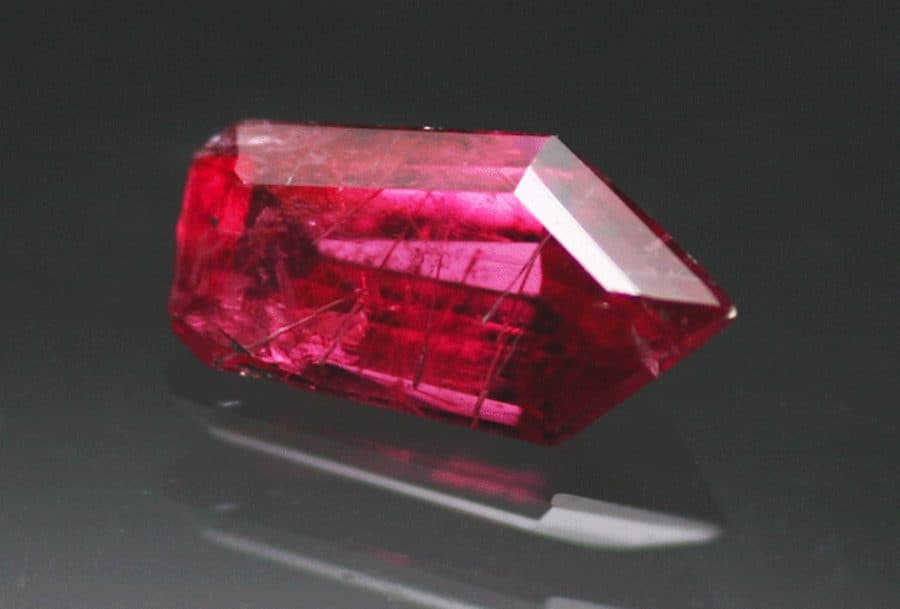
Giant topazes exist in blue, colorless, and pale yellow colors. Red topaz from the tips of some Brazilian crystals is exceedingly rare, the largest about 70 carats.
Smoky quartz gemstones are sometimes erroneously referred to as "smoky topaz," "Brazilian topaz," or "Madeira topaz." Consult our List of False or Misleading Gemstone Names for more examples.
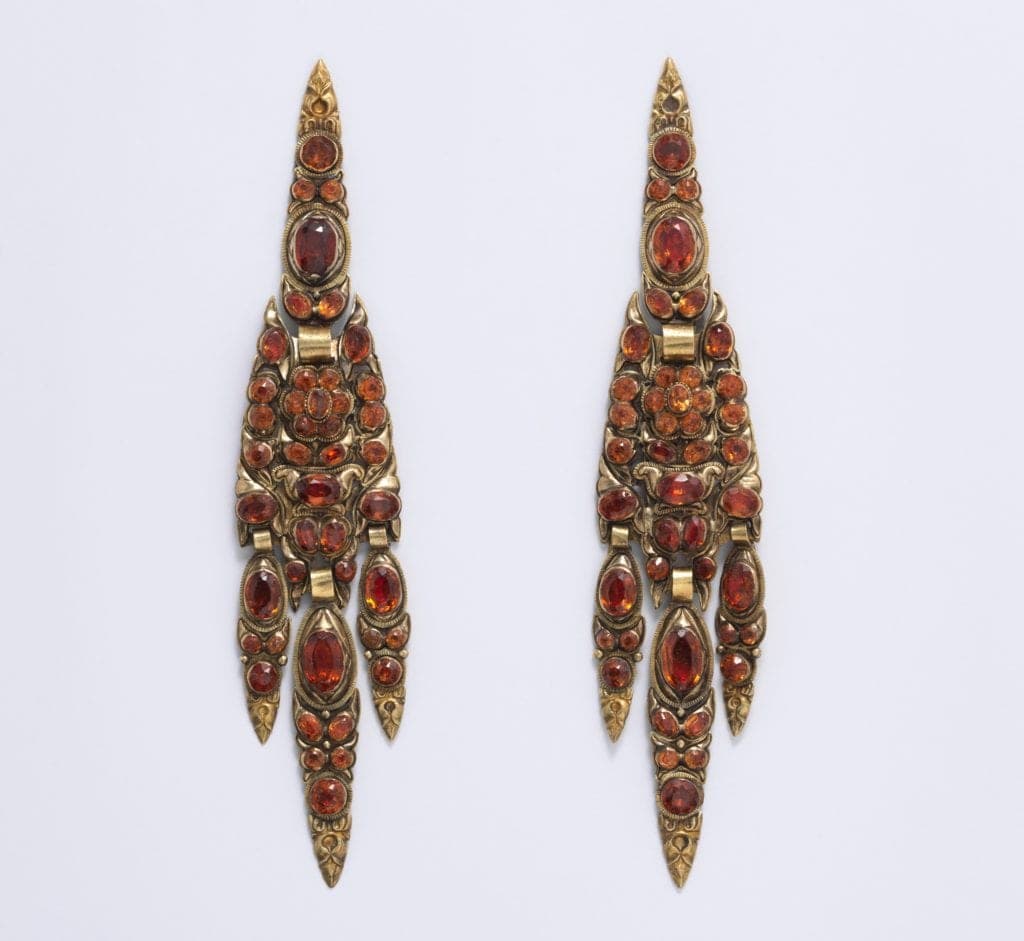
Due to topaz's perfect cleavage, don't use ultrasonic or steam systems to clean them. Both vibrations and heat could cause these gems to split. Instead, use a soft brush, mild detergent, and warm water.
Some prongs can place stress on topaz's cleavage plane. However, an expert custom jewelry maker can set this stone properly to avoid stress. Protective settings can also minimize the strain on a topaz.
Consult our gemstone jewelry care guide for more recommendations.

When you join the IGS community, you get trusted diamond & gemstone information when you need it.
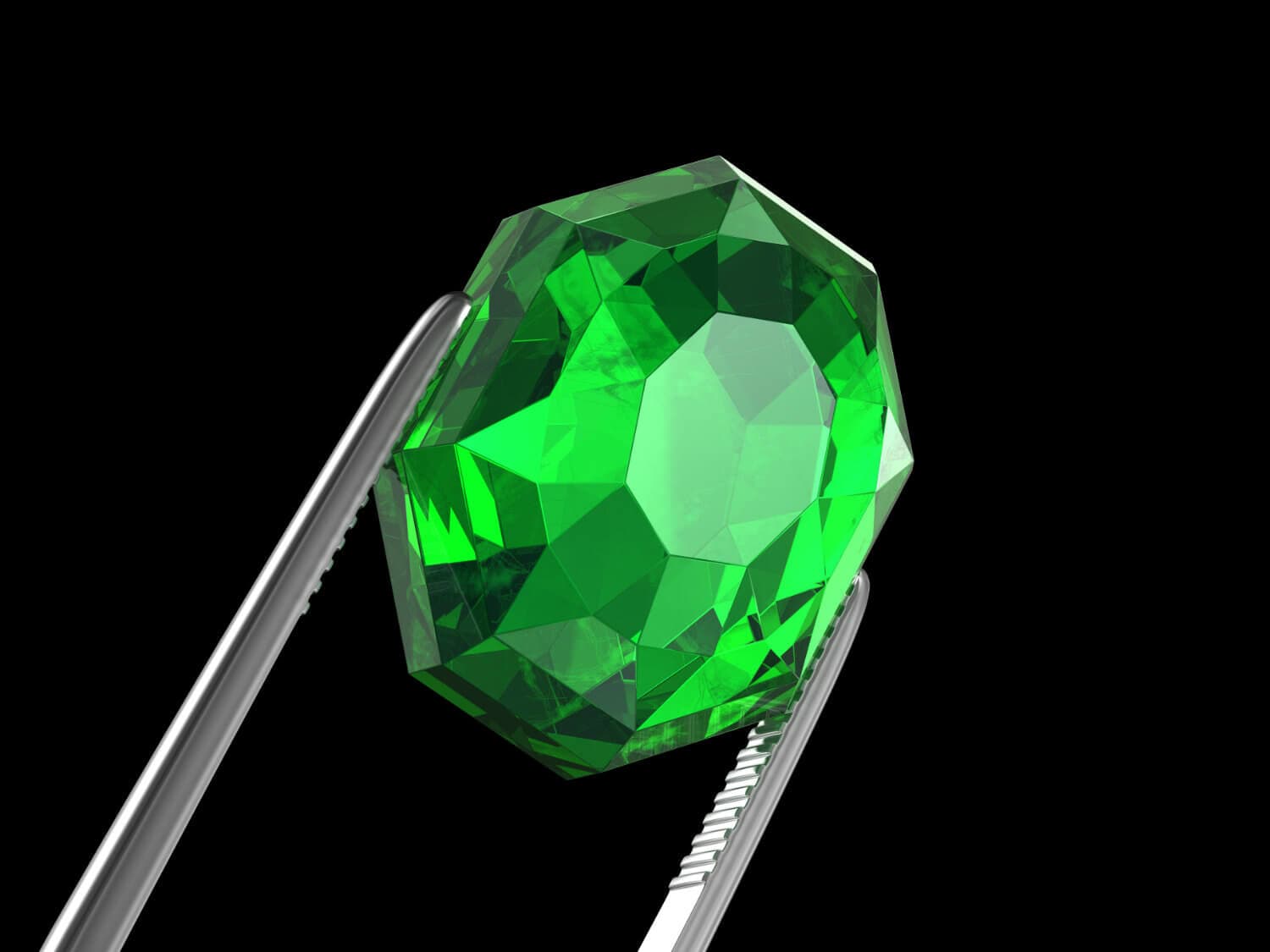
Traditionally, all yellow, brown, and orange transparent gems were called topaz. With the advent of modern gemology, many of these stones were re-classified as different species.
Because of topaz's long association with the color yellow, citrines are sometimes misidentified as topazes. However, citrine is a quartz, a distinct gem species. Topaz has different physical and optical properties than citrine, most notably greater and .
The specific gravity (SG) and optics of topaz vary by stone color.
Locality | α | β | γ | Birefringence | SG | Color | Comments |
| Russia | 1.609 | - | 1.619 | 0.010 | 3.53 | blueish pale yellow | F-rich |
| Ouro Preto, Brazil | 1.629 | 1.631 | 1.637 | 0.008 | 3.53 | brownish | rich in (OH), Cr |
| Thomas Range, Utah | 1.607 |
While topaz has been synthesized in labs, it's not usually commercially available.
In the 1960's, a two-step method was discovered to turn colorless topaz blue. First, the rough is irradiated, turning it brown. Then, the brown stone is heated to achieve a stable, blue color. The process so nearly duplicates what happens in the Earth, a treated stone cannot be distinguished from a natural.
Prior to this development, natural, light blue topaz was rare and valuable, while colorless topaz was common and could be purchased cheaply per ton. The aftermath: prices for blue topaz fell, and these are now among the least expensive gems available.
Topaz that has undergone this treatment and been turned dark blue is sometimes used as a simulant for aquamarine. These are distinct gem species. However, since topaz is typically less expensive than aquamarine, consumers should be wary of unscrupulous vendors who may try to sell treated topaz as aquamarine.
Heat treatments are also used to change some yellow, orange, and brown topaz to pink or red. This procedure is common, stable, and undetectable.
A chemical vapor deposition treatment (CVD) is used to create mystic topaz, a stone with a multicolored coating on its surface. This is a common procedure. The surface coating can easily be scratched. This treatment can be detected by immersion.
Brazil is the principal source of gem-quality topaz. Minas Gerais produces fine yellow to orange crystals, facetable to large sizes, as well as colorless and pale yellow crystals up to several hundred pounds in size. These crystals are typically transparent. This locality also produces pale blue crystals and rolled pebbles, much of which is facetable.
Some orange crystals from Ouro Preto contain chromium (Cr). When heated (burned), they turn pink and show a Cr spectrum. Such material may be distinctly reddish even before heating.
Russia is another major source of gem-quality topaz. The Ural Mountains region produces fine blue crystals, often cuttable, as well as gemmy material in green and magenta colors. Sanarka produces pink topazes.
Queensland and Tasmania yield blue, colorless and brownish gem crystals. Tingha, New South Wales produces green, gemmy material.
San Luis Potosí produces fine brownish to sherry-colored crystals, as well as colorless and some yellowish, in many excellent, cuttable forms. Some of this material can be darkened by irradiation, but the color fades in sunlight.
Mardan produces fine pink crystals, terminated and cuttable, in limestone matrix, at Ghundao Hill, near Katlang.
Other notable, gem-quality sources include the following:
Topaz crystals may weigh hundreds of pounds and are often quite gemmy at this size. Gems up to 20,000 carats have been cut from material of various colors. Museums seem to delight in obtaining monster-sized topaz gems for display. Pink gems over 5 carats (Pakistan) are rare, however, and a Brazilian deep orange gem weighing more than 20 carats is considered large.
The largest known pink topaz is an oval of 79+ carats from Russia. The largest Brazilian topaz crystal ever found of an orange color reportedly measured 5 x 27 cm and weighed nearly 2 kg. A very fine lot (9 cuttable crystals) found in the 1960s weighed over 900 grams and yielded several superb gems, one weighing more than 100 carats and several over 50 carats.
Giant topazes exist in blue, colorless, and pale yellow colors. Red topaz from the tips of some Brazilian crystals is exceedingly rare, the largest about 70 carats.
Smoky quartz gemstones are sometimes erroneously referred to as "smoky topaz," "Brazilian topaz," or "Madeira topaz." Consult our List of False or Misleading Gemstone Names for more examples.
Due to topaz's perfect cleavage, don't use ultrasonic or steam systems to clean them. Both vibrations and heat could cause these gems to split. Instead, use a soft brush, mild detergent, and warm water.
Some prongs can place stress on topaz's cleavage plane. However, an expert custom jewelry maker can set this stone properly to avoid stress. Protective settings can also minimize the strain on a topaz.
Consult our gemstone jewelry care guide for more recommendations.




1.61 |
1.618 |
0.011 |
3.56 |
| sherry |
| Katlang, Pakistan | 1.629 | 1.632 | 1.649 | 0.010 | 3.52 | rose-pink | contains Cr |
| Katlang, Pakistan | 1.610 | 1.613 | 1.619 | 0.009 | 3.56 | brownish |
| Tarryall Mountains, Colorado | 1.610 | - | 1.62 | 0.010 | 3.56 | blue |
| Schneckenstein, Saxony Germany | 1.619 | - | 1.627 | 0.008 | 3.53 | faint yellow |
Topaz is a semiprecious gemstone made of aluminum and fluorine. Although frequently associated with golden yellow and blue, it can be found in a variety of colors including colorless. The rarest are natural pink, red, and fine reddish orange, known as Imperial Topaz.
Although clarity and size have a significant effect on the value of topaz, color has the greatest impact on pricing.
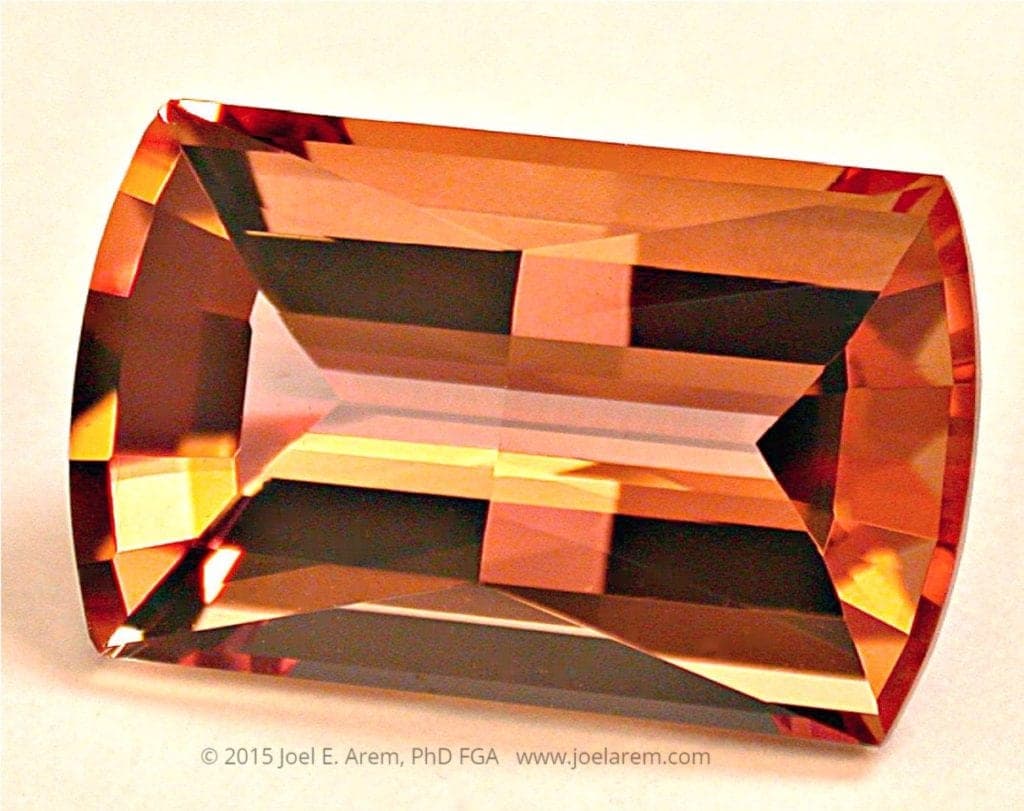
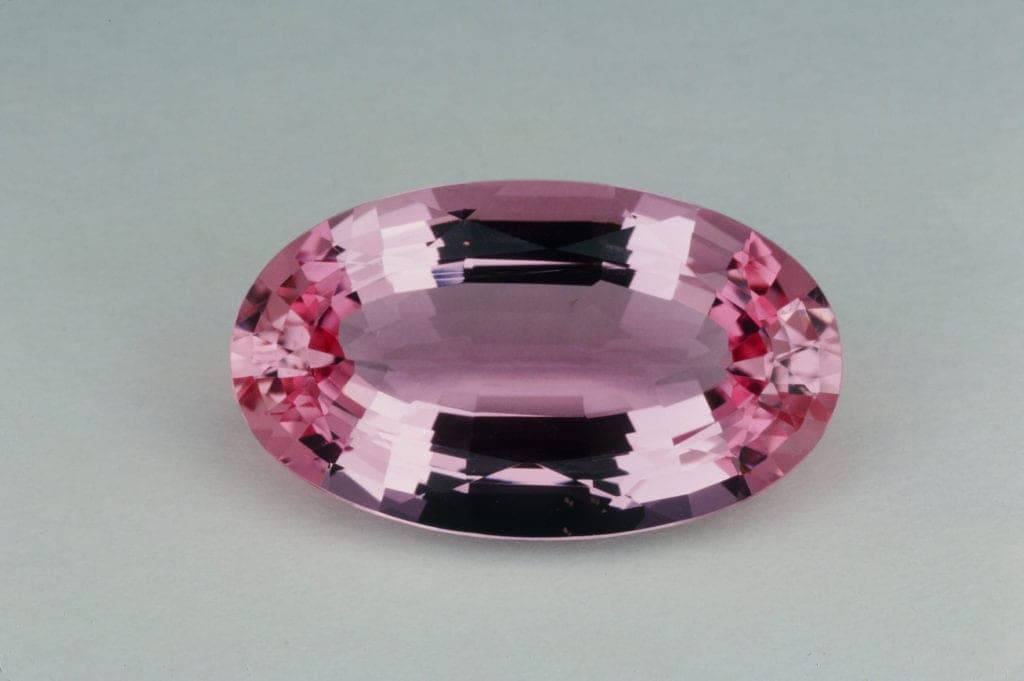
The highest values go to the rare pink and red stones, then orange and yellow. Intense, reddish orange topaz is sometimes called “imperial topaz.” Yellow, orange, and brown stones are somewhat common. Colorless topazes are common and are low-value gems in any size.
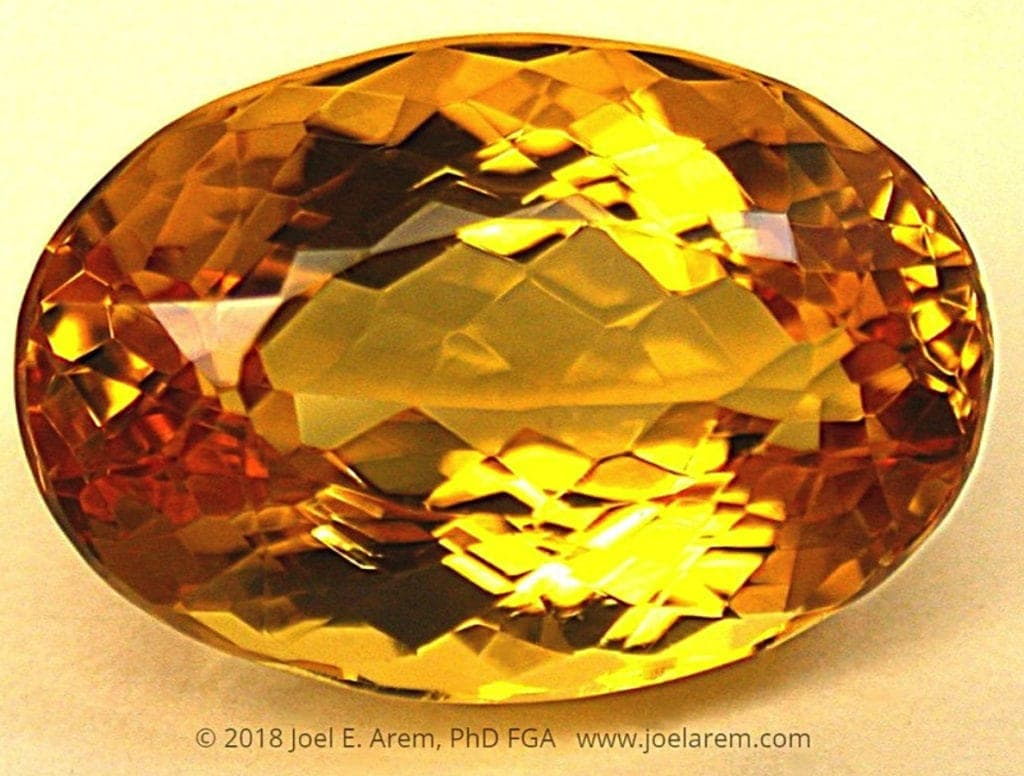
The term “precious topaz” refers to stones with a rich yellow to a medium, peachy orange color.
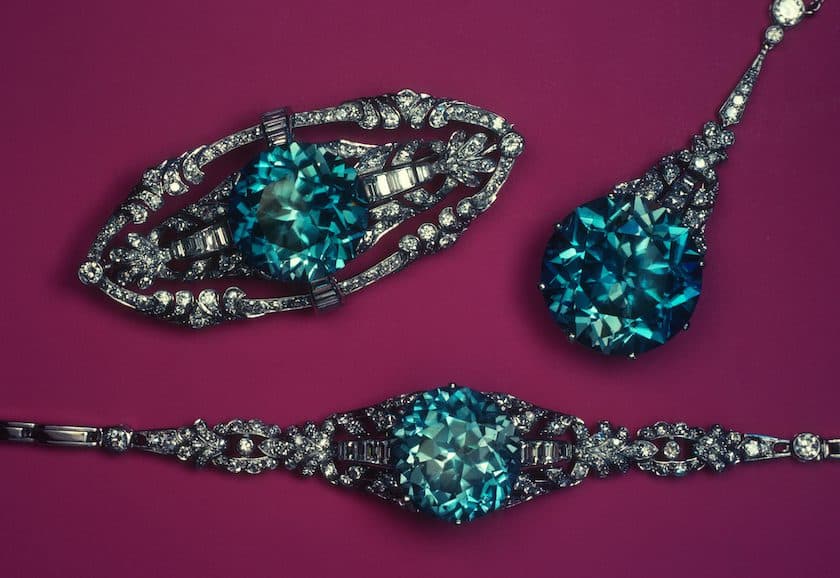
Blue has become the most popular color for topazes on the market today. However, almost all such gems began as colorless or pale blue topazes. A safe and very common heat-and-radiation treatment gives them striking, darker colors. Blue topazes are very inexpensive.
For more information on topaz quality factors, consult our buying guide and engagement ring guide.