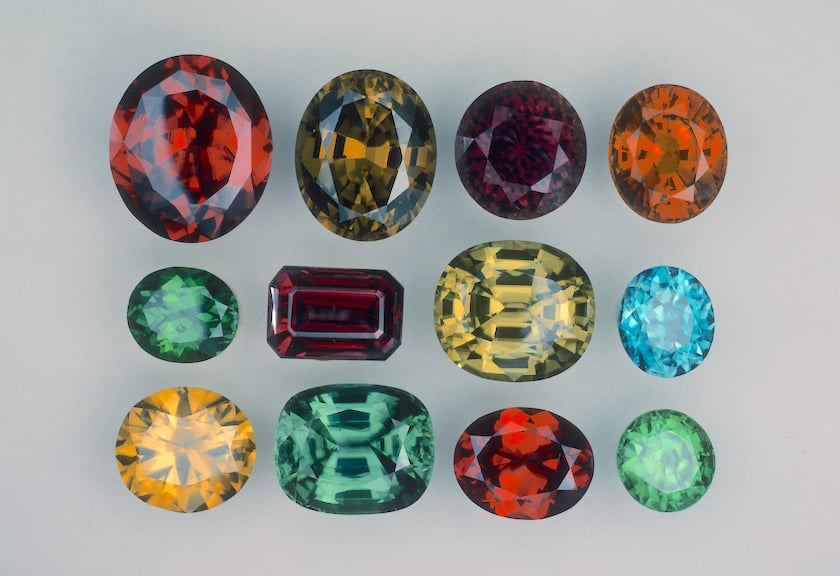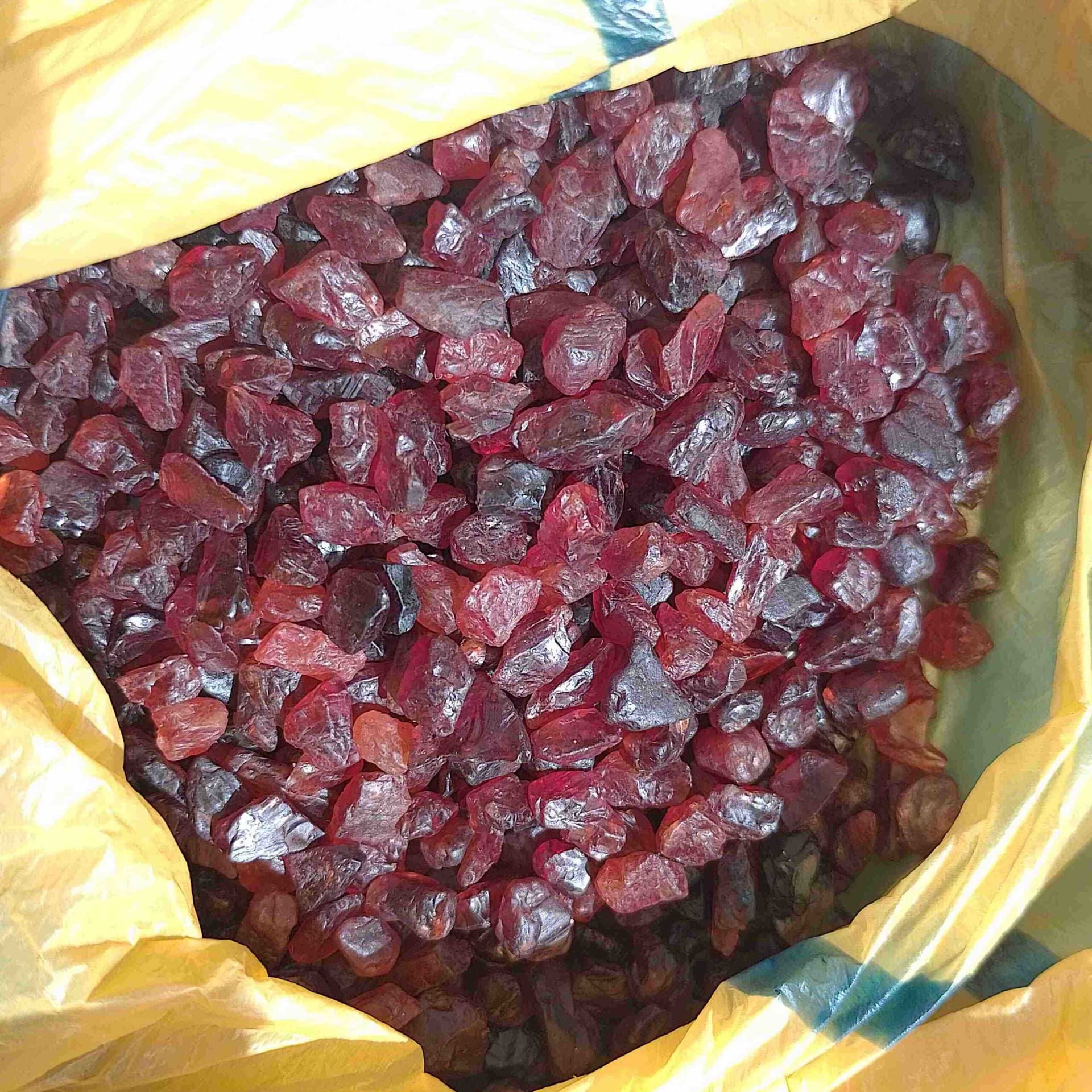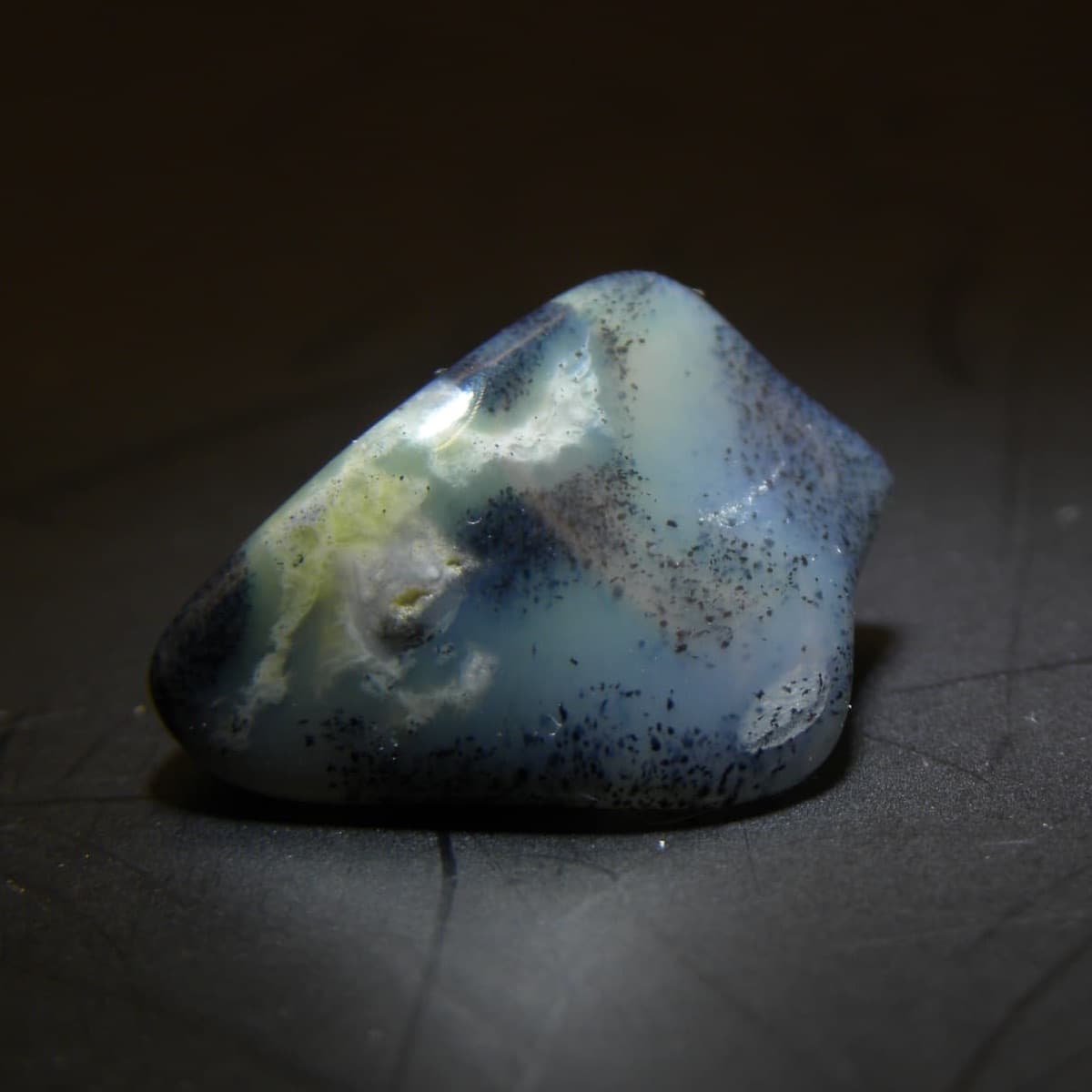
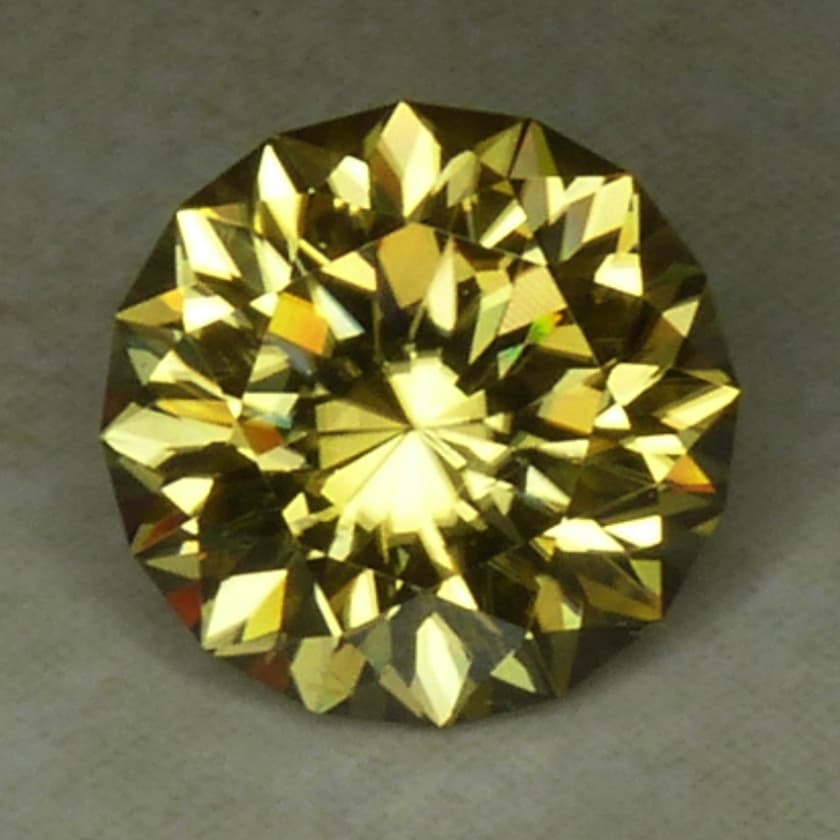
Don’t be confused by the name. Zircon is a natural, magnificent, and underrated gemstone that has been worn and treasured since ancient times. It’s not cubic zirconia. Available in many colors, zircon is one of the modern December birthstones and will look wonderful in jewelry if set carefully.
10 Minute Read
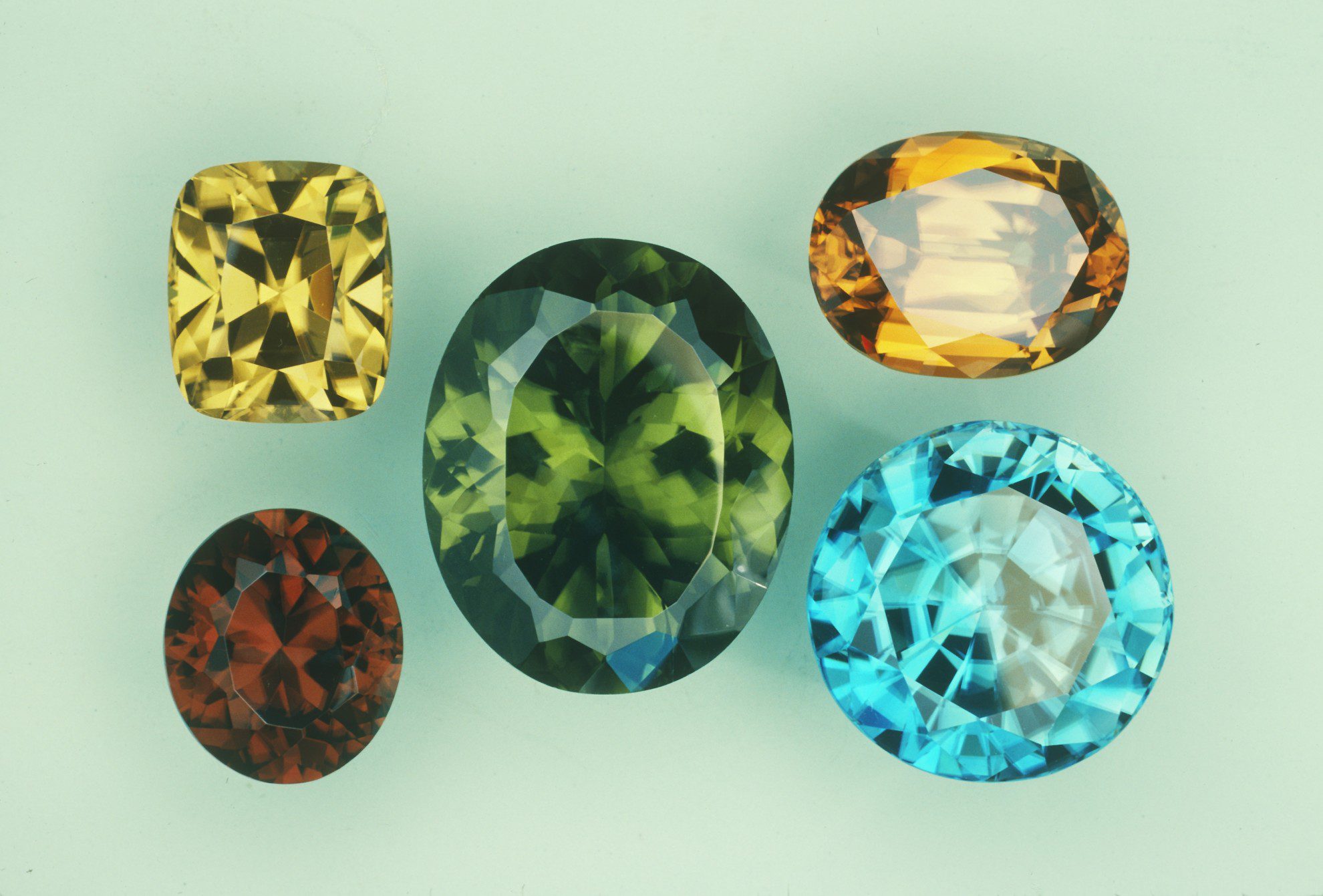
Although zircon and cubic zirconia (CZ) share a similar name, they are completely different gemstones. Gemologists define gem species by their chemical formula and crystal system. Zircon has a chemical formula of ZrSiO4 + Fe, U, Th, Hf and forms in the tetragonal crystal system. On the other hand, CZ has a chemical formula of ZrO2 and forms in the isometric or cubic crystal system. They both contain some zirconium and oxygen but otherwise have different physical and optical properties.
While the CZ you may find in jewelry is all lab-created, the zircon used for jewelry is most likely a mined, naturally occurring mineral that might have been heat-treated. CZ isn't a mineral but instead a homocreate, a material that has no natural counterpart. Although there is evidence that CZ may have formed naturally on Earth after a meteorite impact over 4 billion years ago, the CZ used in jewelry is all lab-created material.
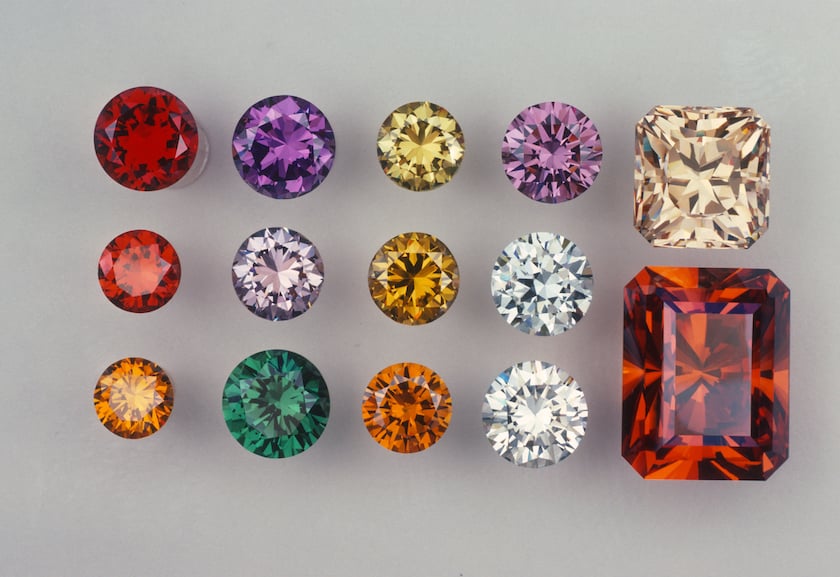
Another coincidence might lead to some confusion between zircon and CZ. Both materials have been used extensively as diamond simulants or lookalikes. (Of course, diamonds are another distinct gem species).
As a species, zircon has many interesting characteristics. Some, such as its high refractive index (RI) and dispersion, seem to have made it the "natural choice" for a diamond simulant, so to speak. When properly cut, colorless zircons can make very convincing diamond imitations and even outshine mediocre diamonds. (Interestingly, despite a long history as a diamond substitute, zircon is actually rarer than diamond).
However, the imitation only goes so far. Poor cutting can make these gems appear relatively dull and lifeless. Although zircons have a respectable hardness for jewelry stones (6 to 7.5), that falls well short of diamond's famous 10. Zircons are far more susceptible to scratching than diamonds. They also have a very brittle tenacity, lower than that of most gemstones. This means their facet edges tend to chip and wear easily.
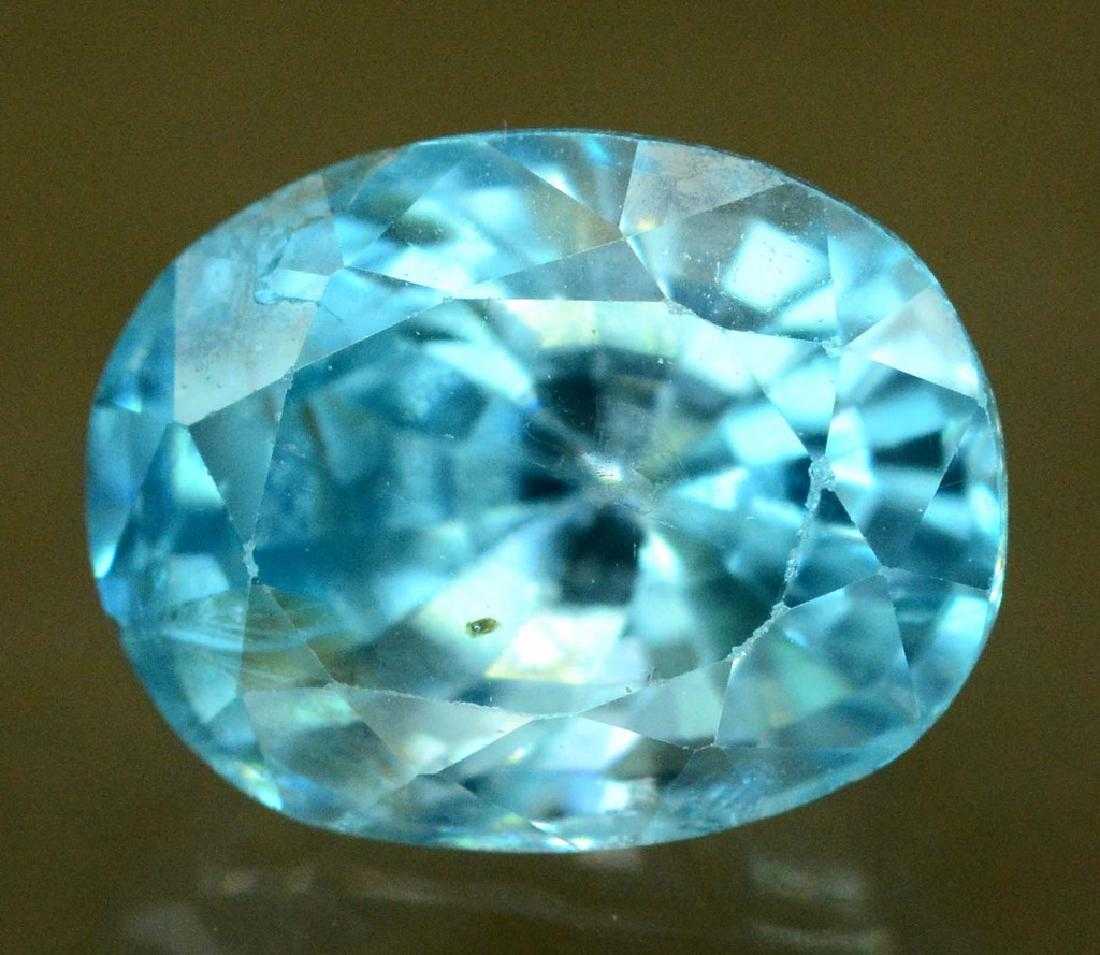
The most obvious optical difference between zircons and diamonds is birefringence (double refraction). While diamonds have no birefringence, zircons have such a strong birefringence that gem cutters must orient the table of the stone to the optic axis. Otherwise, the interior may look fuzzy due to facet image doubling.
Zircons are more than just diamond simulants. They make stunning gemstones in their own right and occur naturally in a wide range of colors. Heat treatments also produce many additional colors.
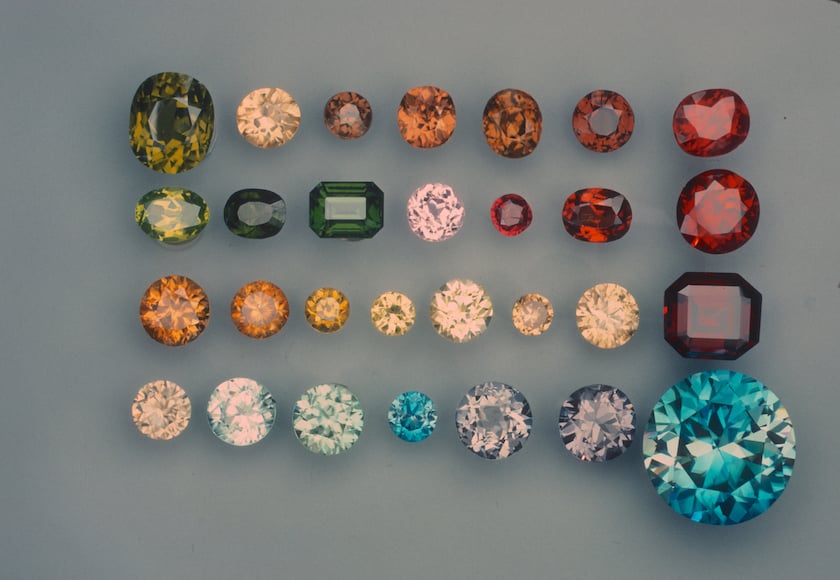
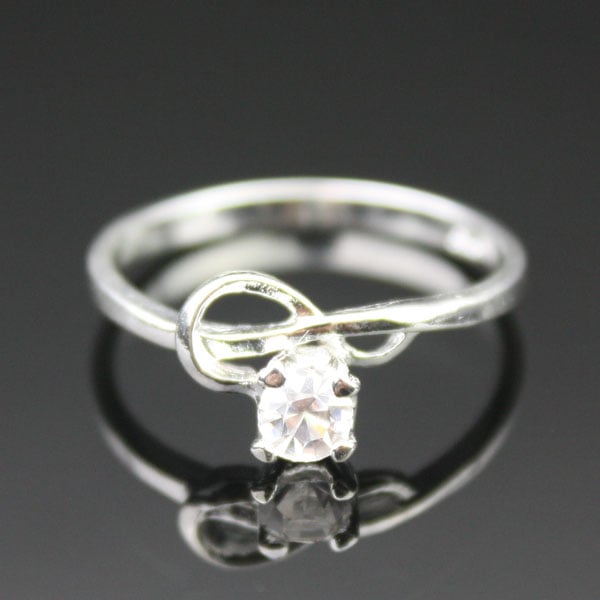
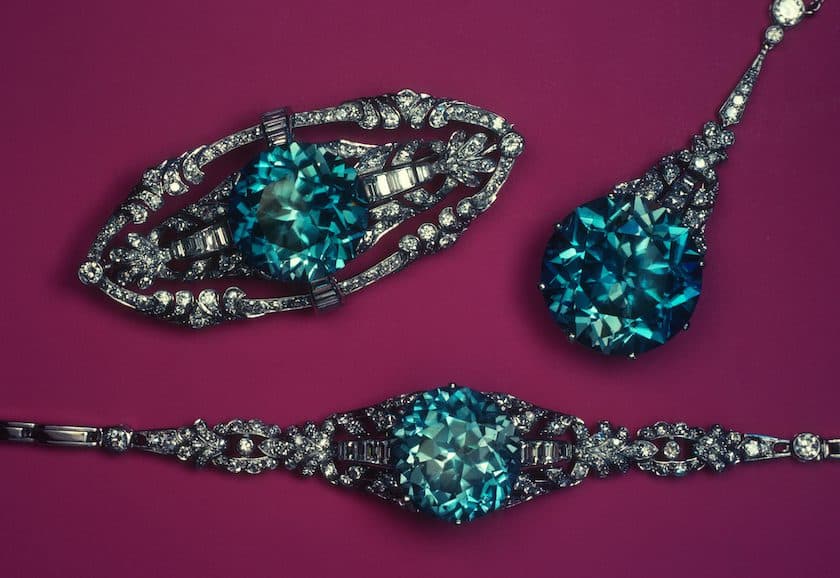
However, any zircons in jewelry should be worn carefully to prevent damage. As ring stones, they need protective settings due to their very brittle tenacity. Pendants, brooches, and earrings are safer jewelry choices.
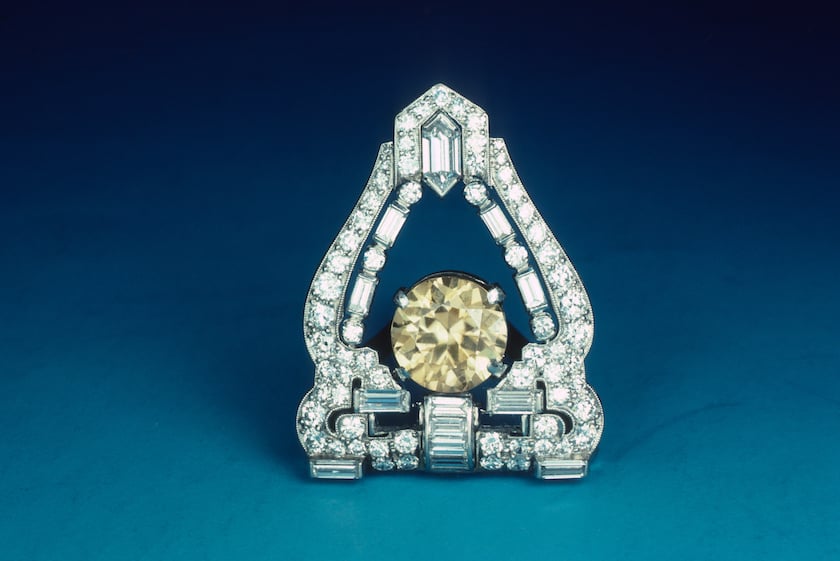
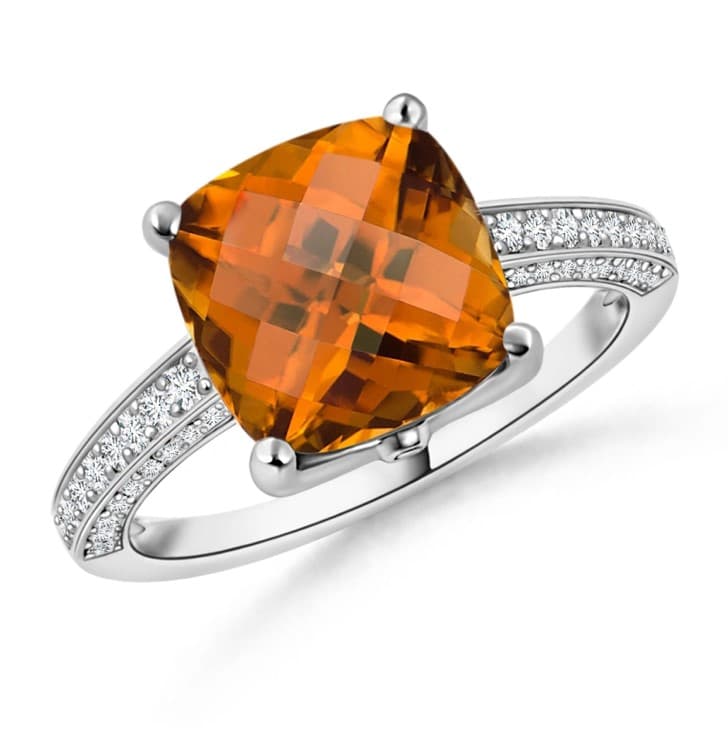
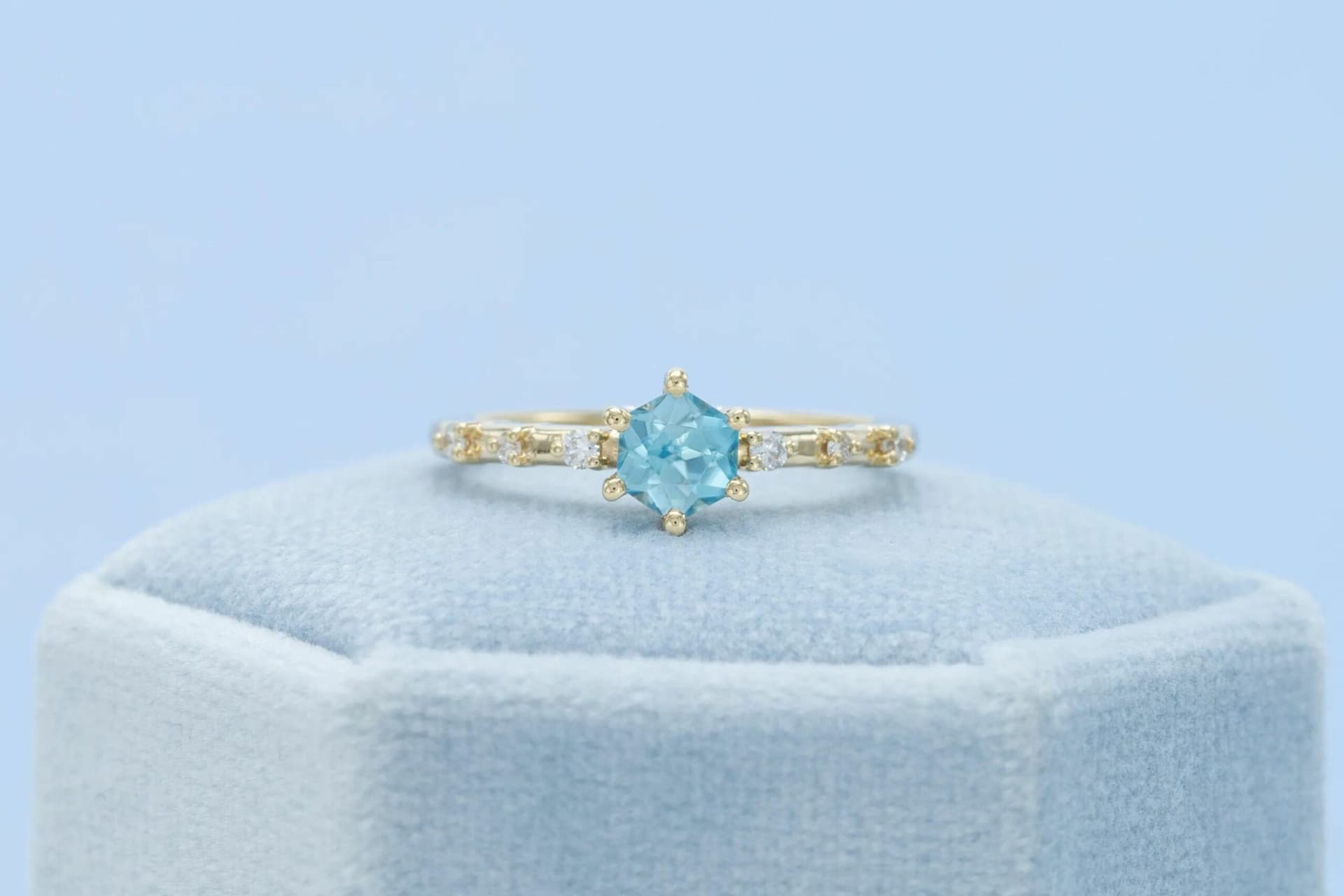
You should usually reserve zircon jewelry for occasional wear. Nevertheless, they can also make beautiful and unusual engagement ring stones. To learn more about choosing zircons for engagement rings, consult our articles on zircon engagement rings and delicate engagement ring stones.
Poorly cut zircons may also benefit from expert custom recutting. Take a look at the before-and-after photos of zircons in this article on gem recutting and repair.
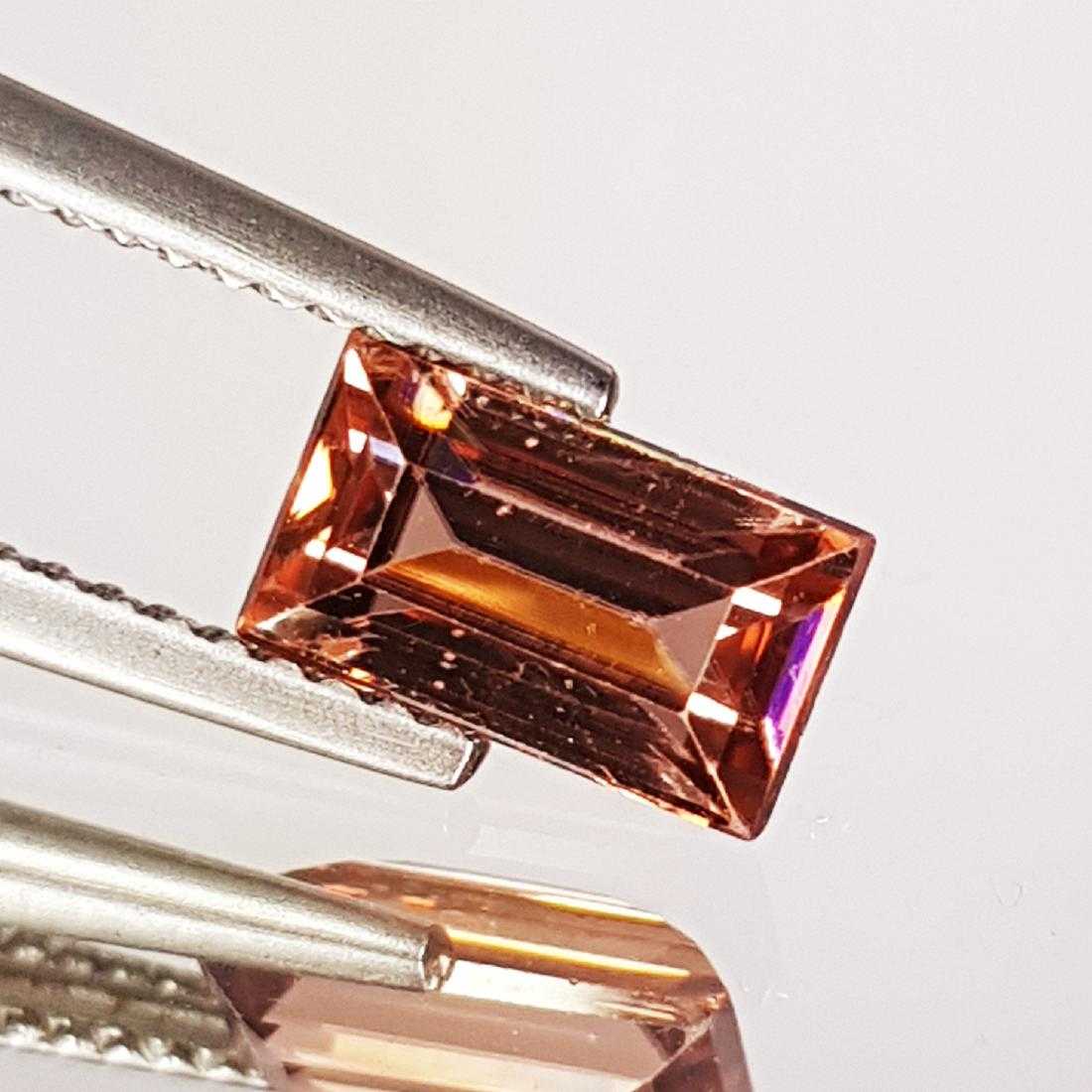
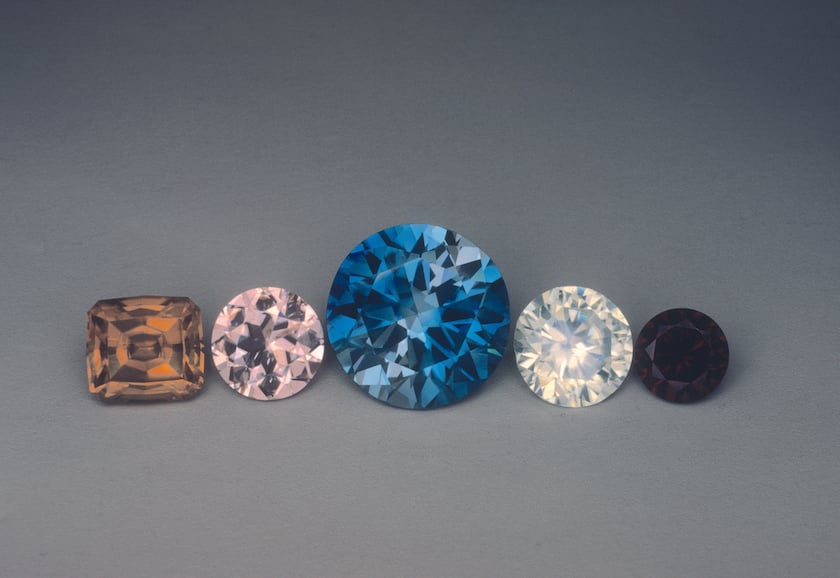
Transparent reddish brown zircons. Historically, this name was also applied to hessonite, a reddish orange variety of garnet.
Rich, slightly greenish blue, heated zircons. Although you may still encounter this marketing name, it never really caught on.
Light yellow to colorless zircons.
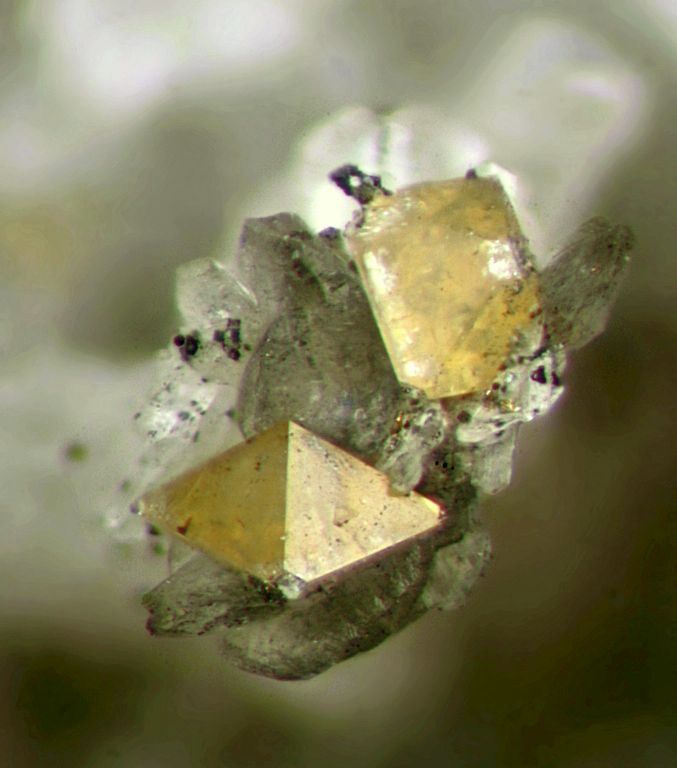
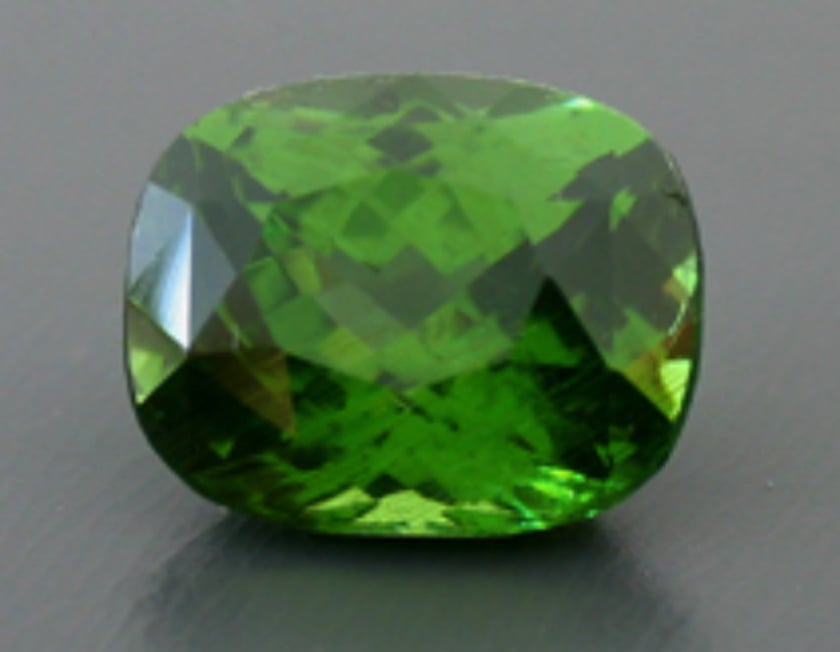
Green zircons.
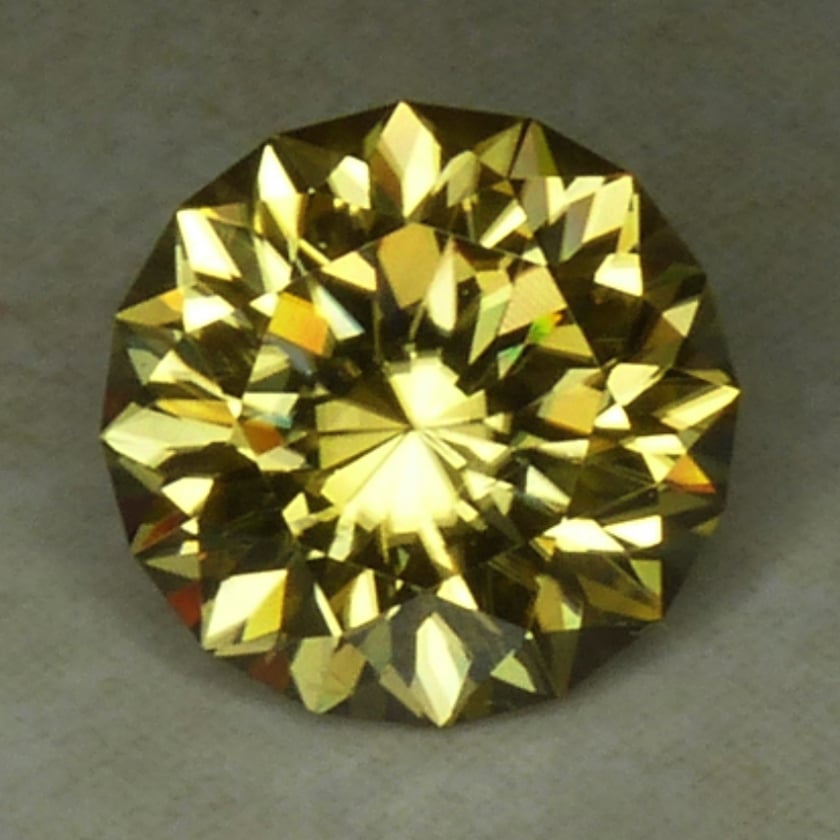
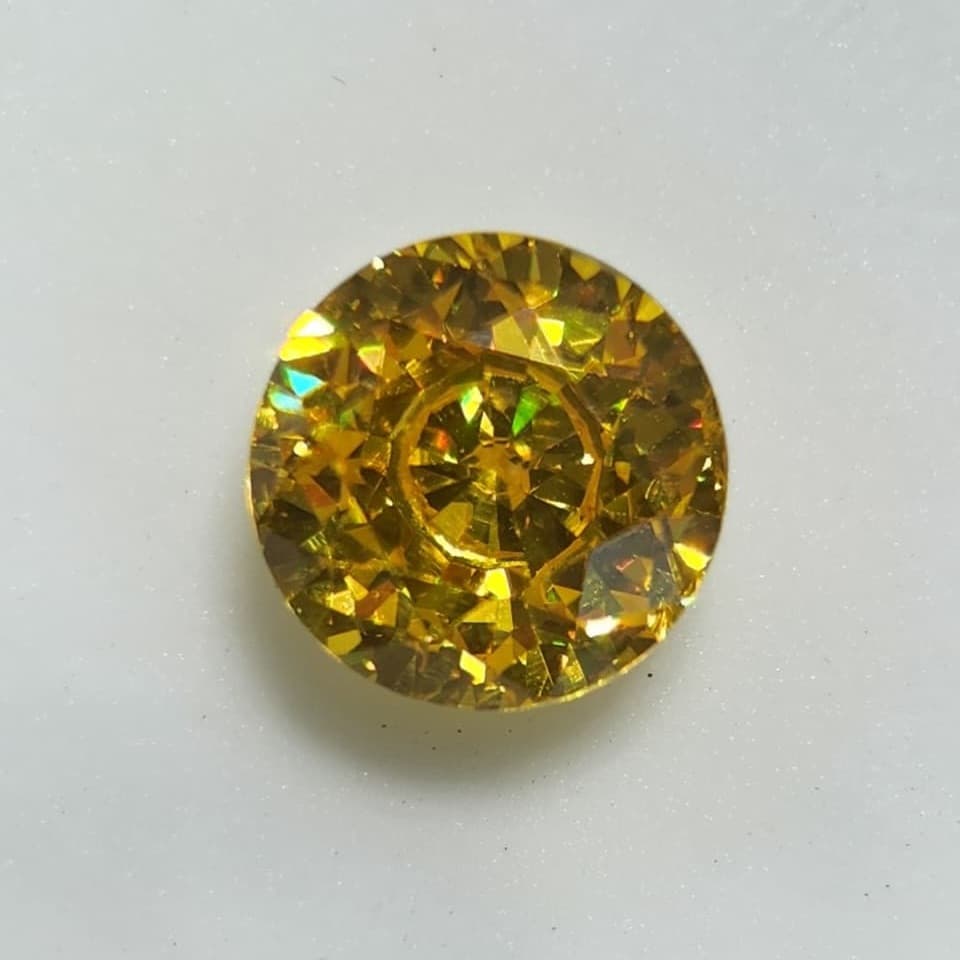
Yellow zircons.
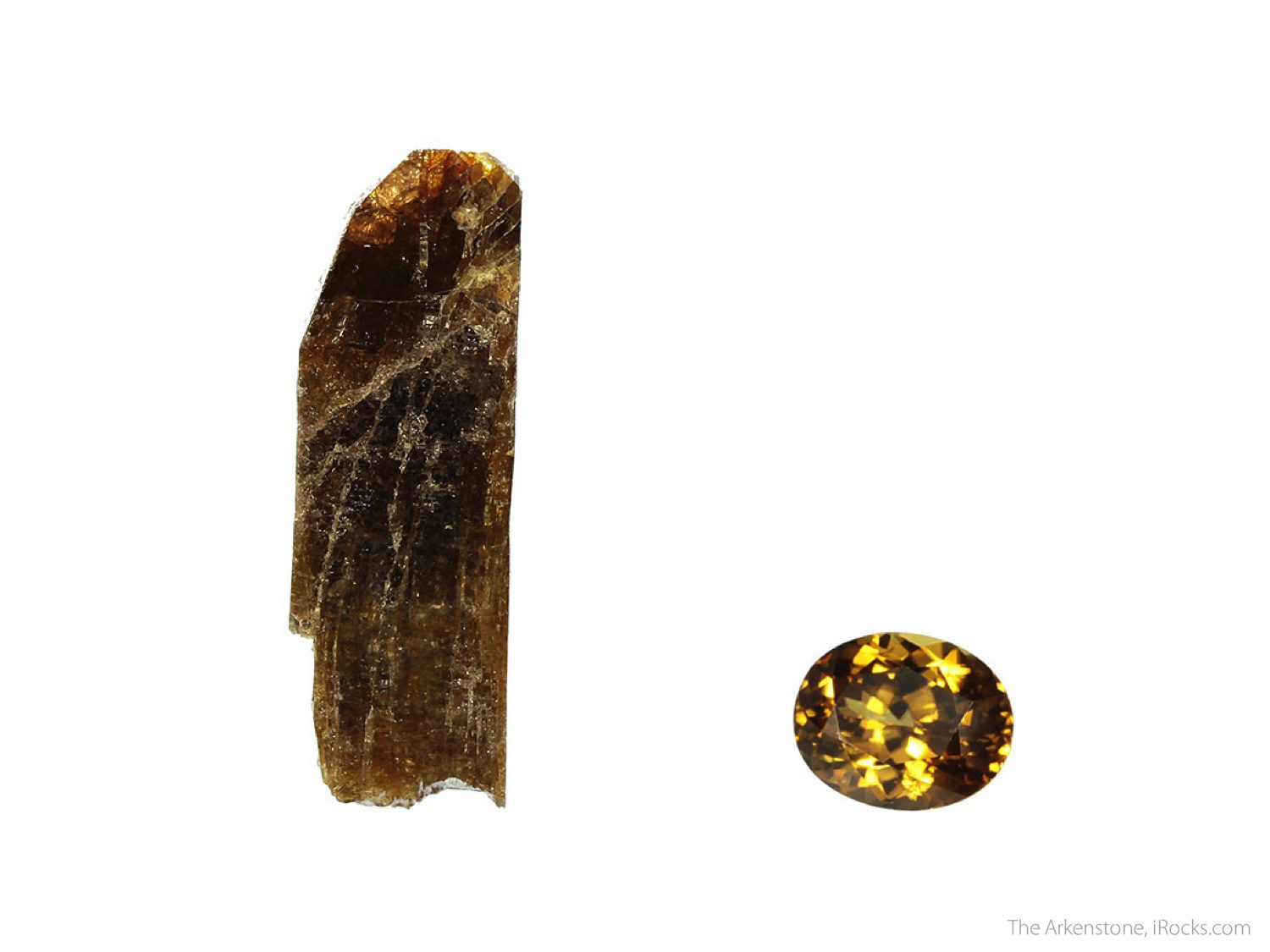
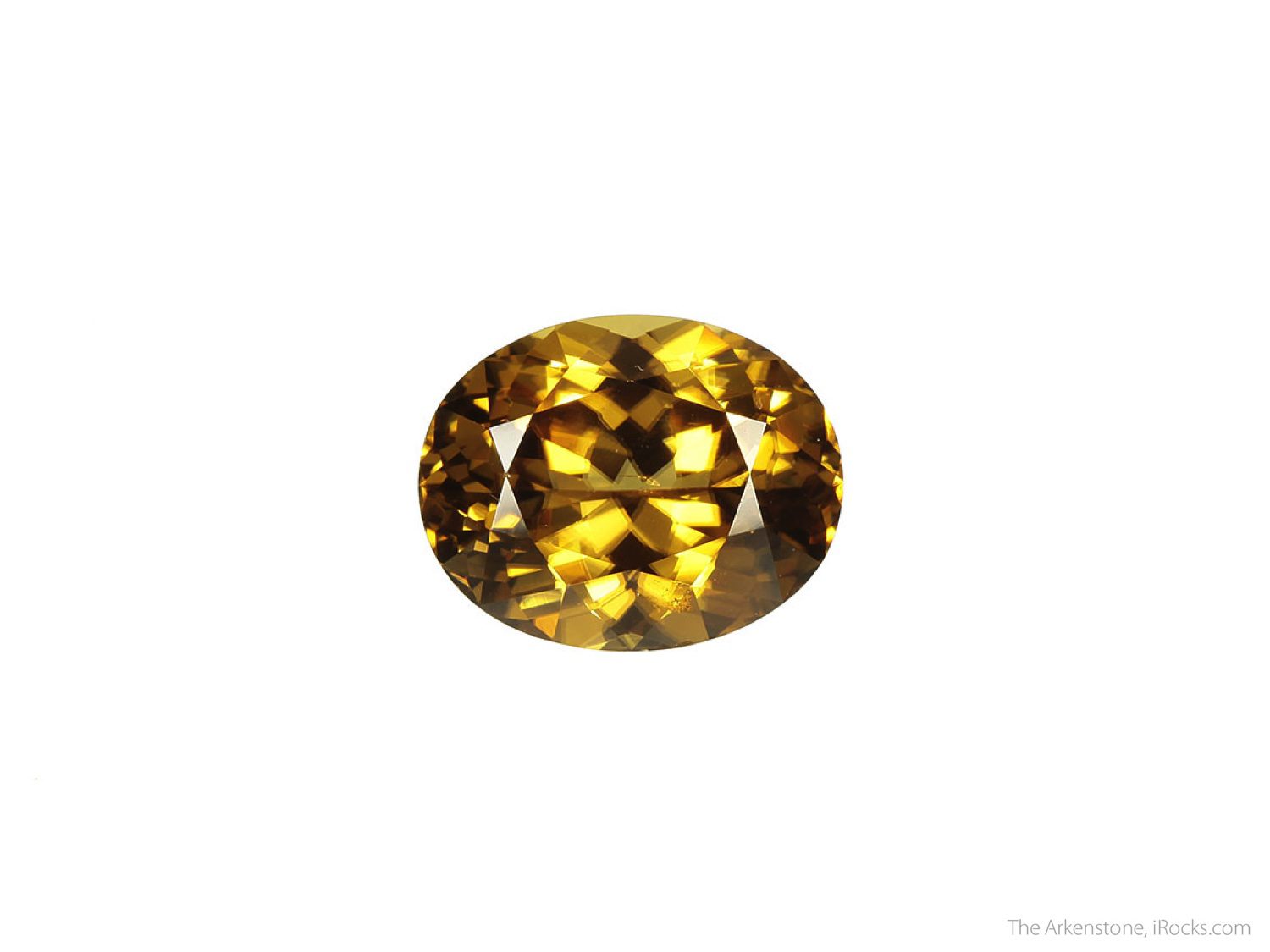
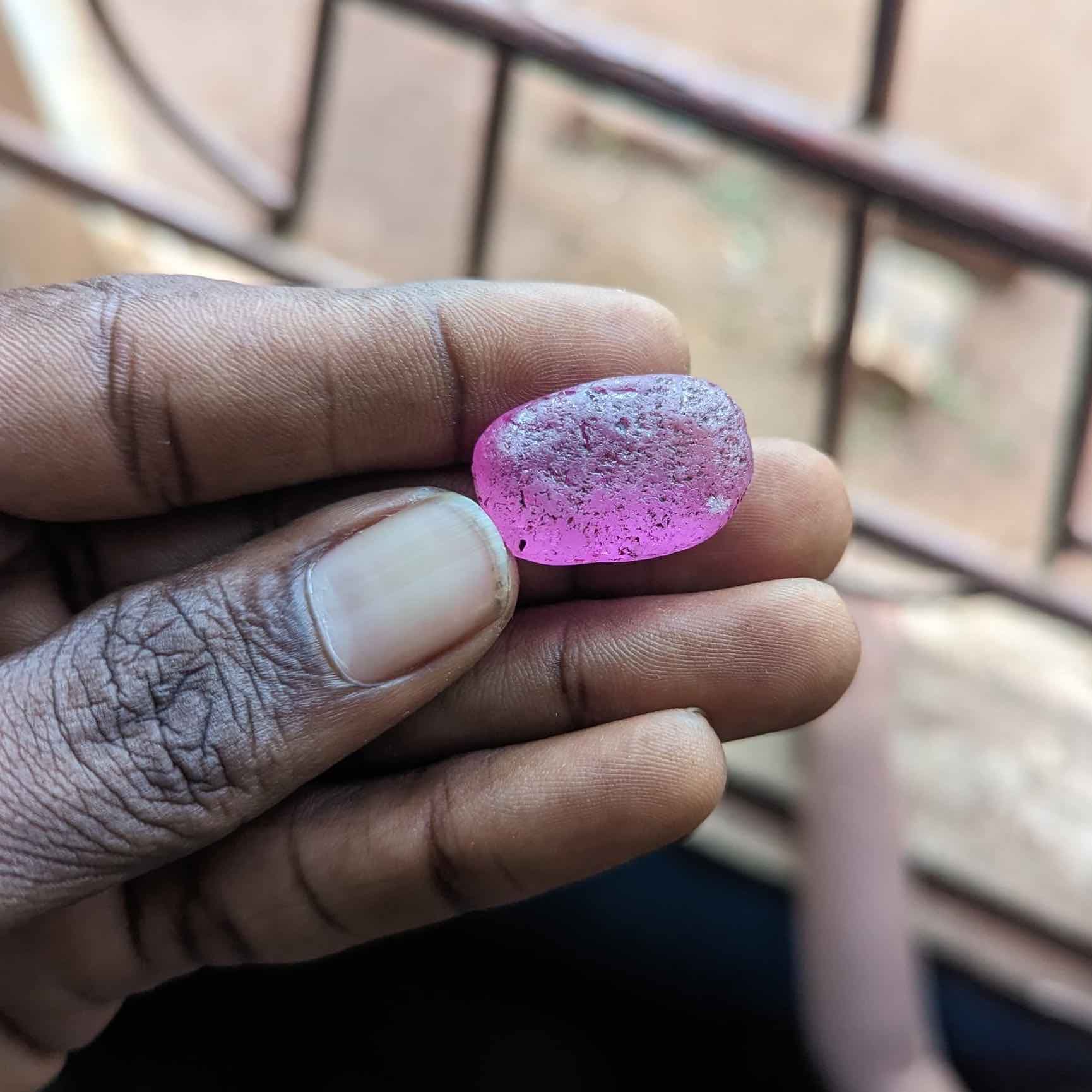
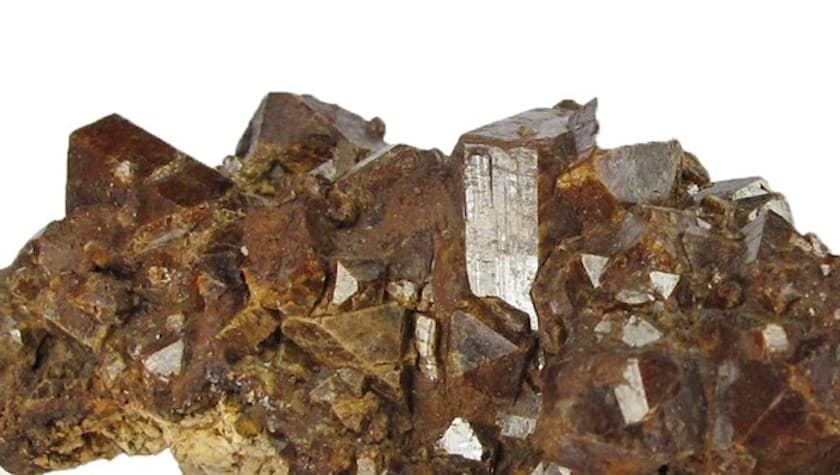
Zircon rough and cut set. Crystal specimen: 4.0 x 1.2 x 1.1 cm; oval brilliant-cut gem: 14.11 x 11.25 mm, 11.40 cts. Ambilipitiya, Sri Lanka. © Rob Lavinsky, www.iRocks.com. Used with permission.
Colorless zircons.
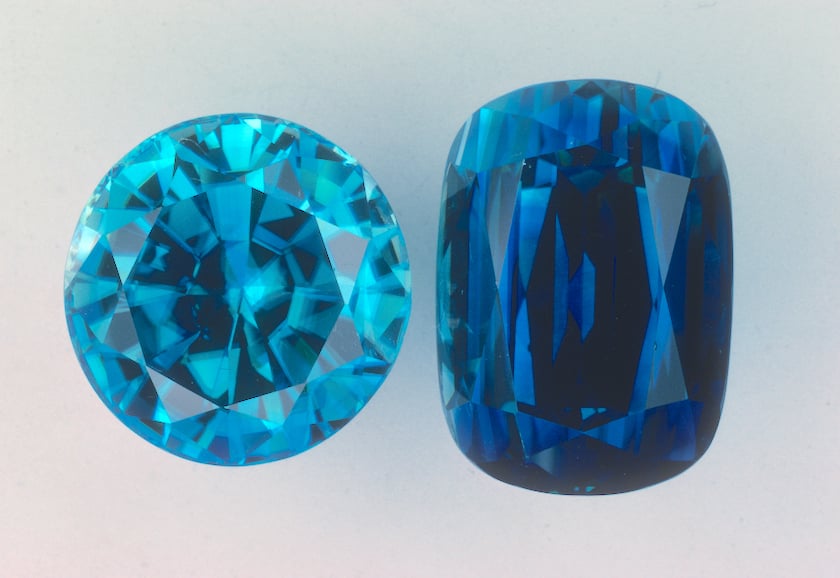
Blue zircons.
Color change has been documented in zircons. In a 2021 GIA report, a zircon showed green color in incandescent, fluorescent, and warm LED light (2700 K) and grayish purple in daylight and cool LED light (6500 K). The report noted this rare phenomena is occasionally found in zircons from Mogok, Myanmar.
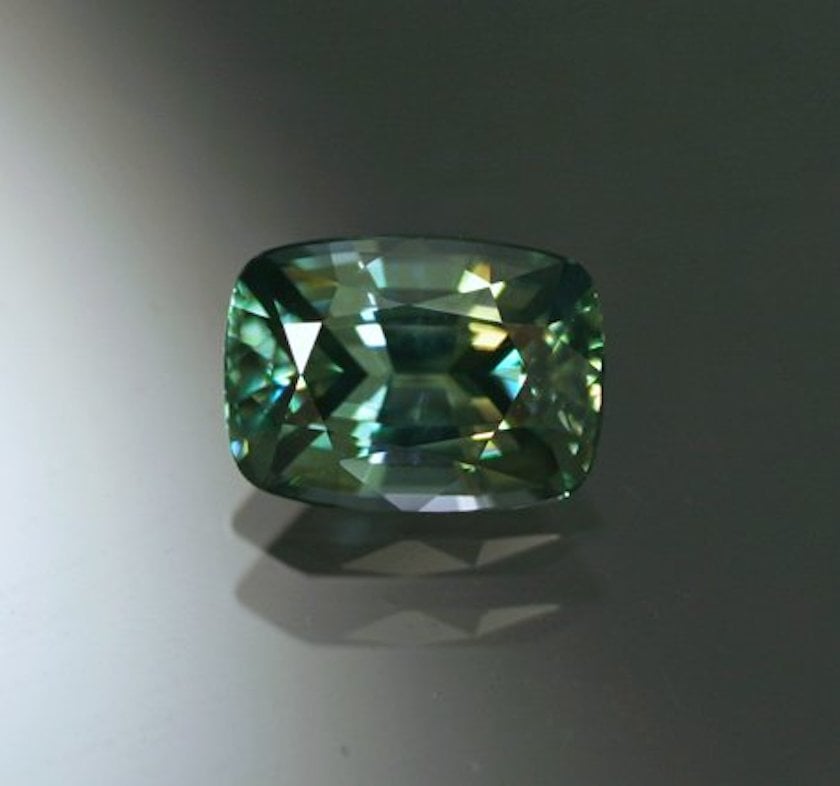
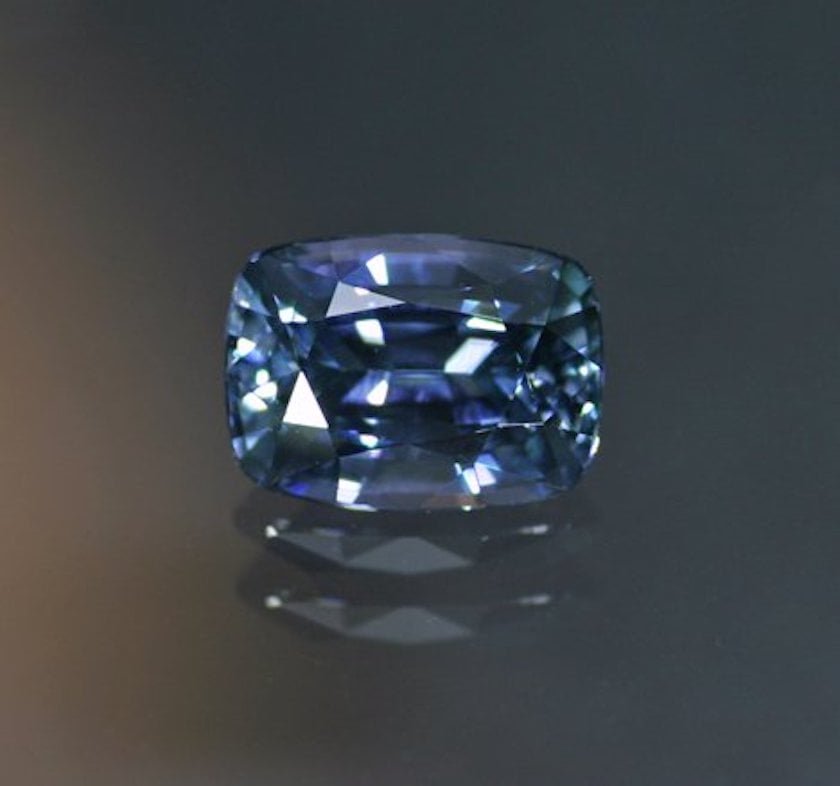
This mixed cushion-cut zircon from Myanmar appears blueish green in incandescent light and purple in daylight. 1.77 cts, 7.6 x 5.5 mm. © The Gem Trader. Used with permission.
Tenebrescence (reversible photochromism) has also been documented in zircons. A 2014 GIA article noted two distinct cases: zircons have been observed that turn orange in darkness but faded to near colorless when exposed to light; in another study, a reddish orange zircon darkened to brown when exposed to shortwave UV light, but its color returned when placed in darkness.
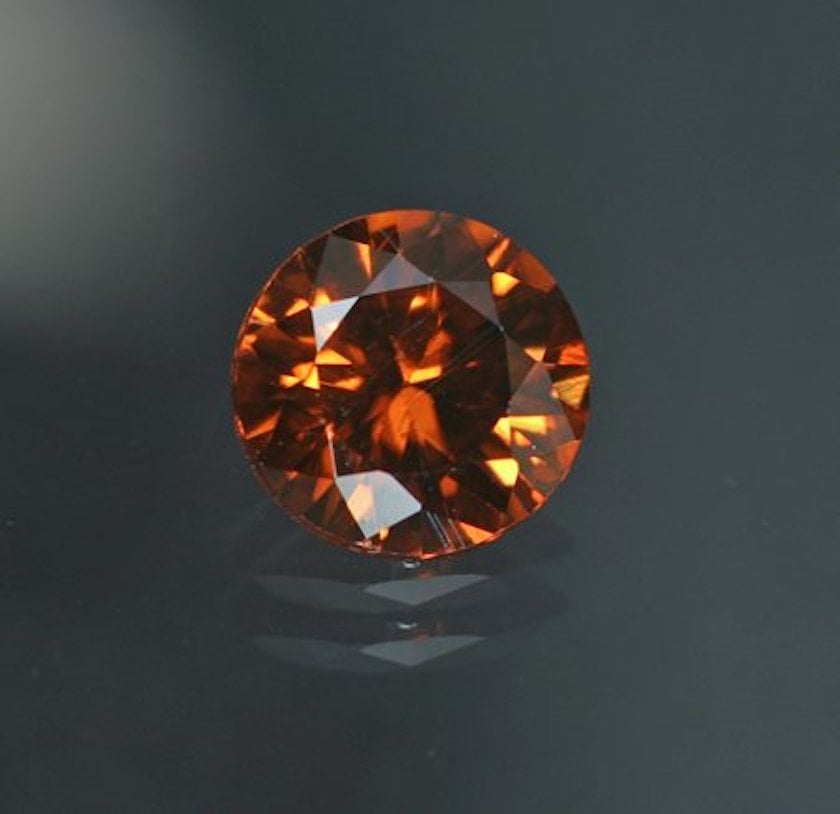
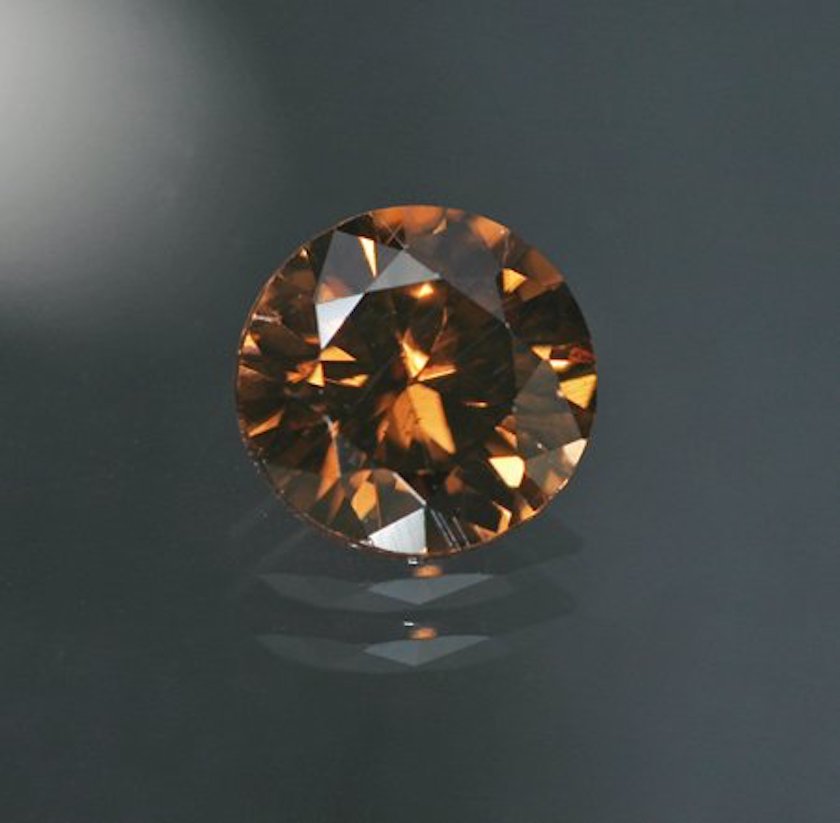
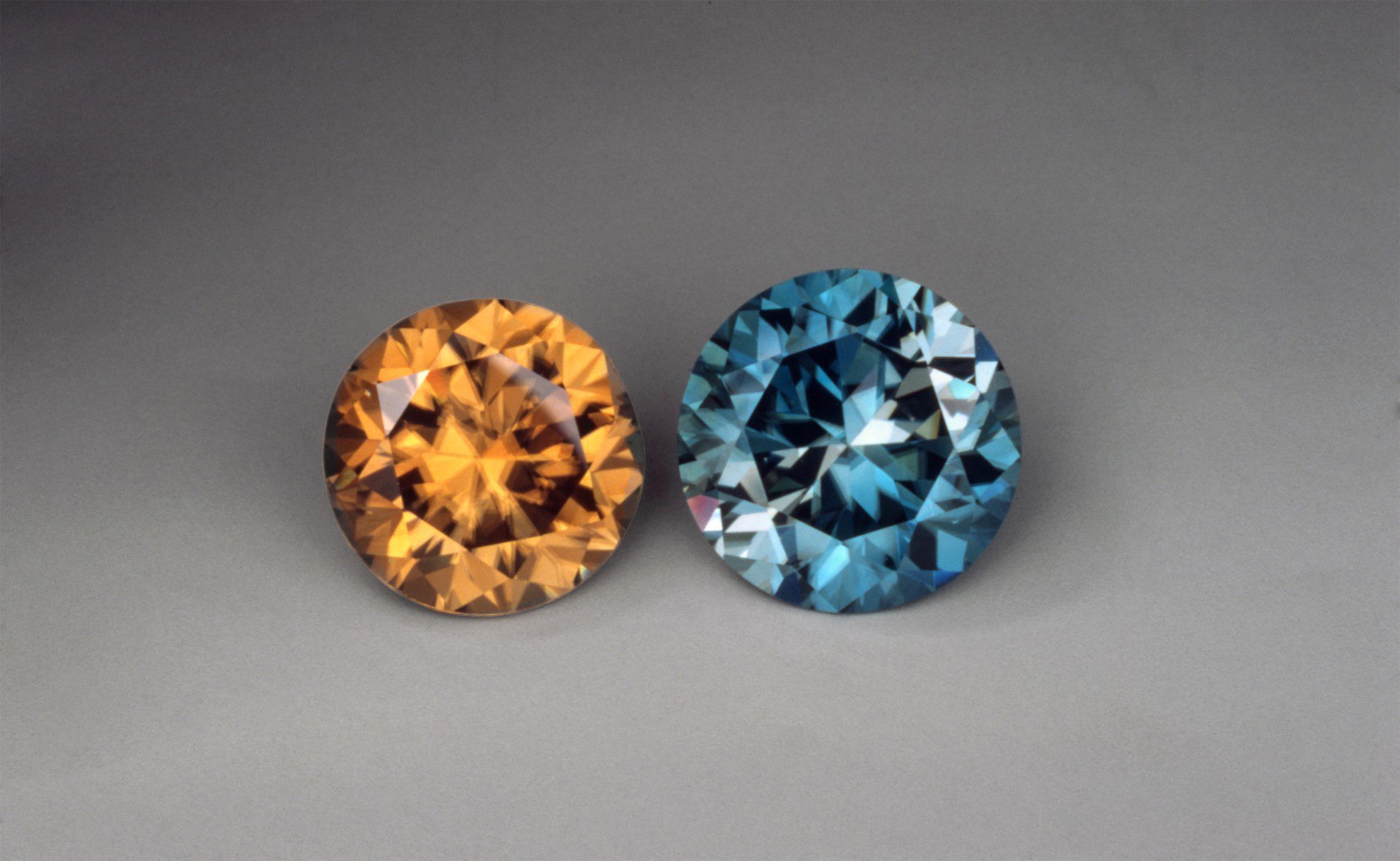
This vivid orange, round brilliant-cut zircon turns orangish brown when exposed to the UV in daylight. The change occurs in only a few minutes. The bright orange color returns after a few days in low light or darkness. 2.51 cts, 8.1 mm, Myanmar. © The Gem Trader. Used with permission.
Colorless zircons have been sold as "Matara " or "Matura diamonds" and "Ceylon diamonds." Although zircons are used to simulate diamonds, selling them as actual diamonds is unethical.
Blue zircons have been deceptively sold as "Siam aquamarines."
Although zircons are rarer than both diamonds and aquamarines, these gems are more popular than zircons. Thus, some dishonest vendors will use these misleading names to sell zircons more easily.
For more examples of deceptively labeled gems, see our List of False or Misleading Gemstone Names.
Some zircon crystals pick up small amounts of radioactive uranium and thorium during their natural growth. Over millions of years, this natural radiation breaks down their crystal structure. These zircons usually become metamict. That is, they are materials that have lost their crystalline structure and become amorphous due to radiation. Metamict zircons have a lower RI and brilliance than the crystalline type.
Zircon is classed as "high," "immediate" or "medium," or "low" based on the extent of its crystallization. (These are also called alpha, beta, and gamma zircons). The classes are easy to distinguish because the properties change in an even progression.
Interestingly, dispersion is the same for both high and low varieties while other optical properties vary. Low zircons usually have a cloudy texture. High zircons have higher hardness values than low zircons.
| Low Zircon | Intermediate | High Zircon | |
| Colors | Green, brown, orange, purple | Brownish green, dark red | Colorless, blue, brownish orange |
| RI | o = 1.780-1.815 (almost isotropic) | o = 1.830-1.930 e = 1.840-1.970 | o = 1.920-1.940 (often 1.925) e = 1.970-2.010 (often 1.984) |
| Birefringence | 0-0.008 | 0.008-0.043 | 0.036-0.059 (usually 0.059) |
| Specific Gravity | 3.95-4.20 (usually about 4.00) | 4.08-4.60 | 4.60-4.80 (usually 4.70) |
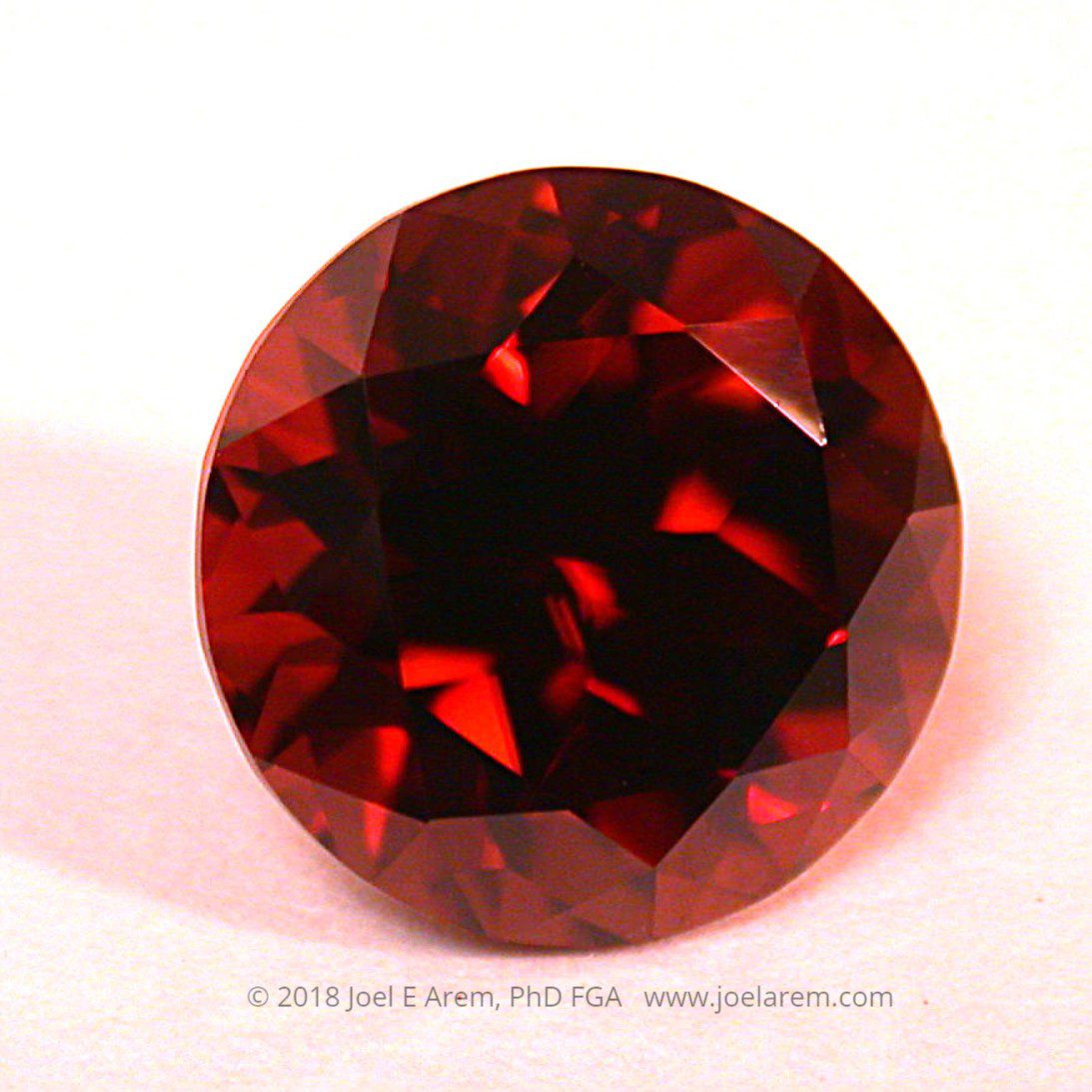
Wearing zircons typically won't pose any significant health risks. Most gem-quality zircons fall into the high category. This means the zircons most commonly used in jewelry aren't radioactive. On the other hand, zircons of the intermediate or low type may have very mild levels of radioactivity, due to the presence of very low traces of uranium, thorium, or other radioactive impurities. However, the radiation produced by these zircons usually doesn't exceed background radiation levels. Nevertheless, concerned consumers may wish to have a gem lab measure the radioactivity of zircons with colors typical of metamict stones: green, brown, or orange.
In addition to standard lapidary safety procedures, faceters should also check the radioactivity of zircons and take appropriate precautions before working on them.
The most obvious way to distinguish a zircon presented as a substitute diamond from an actual diamond is by the former's birefringence.
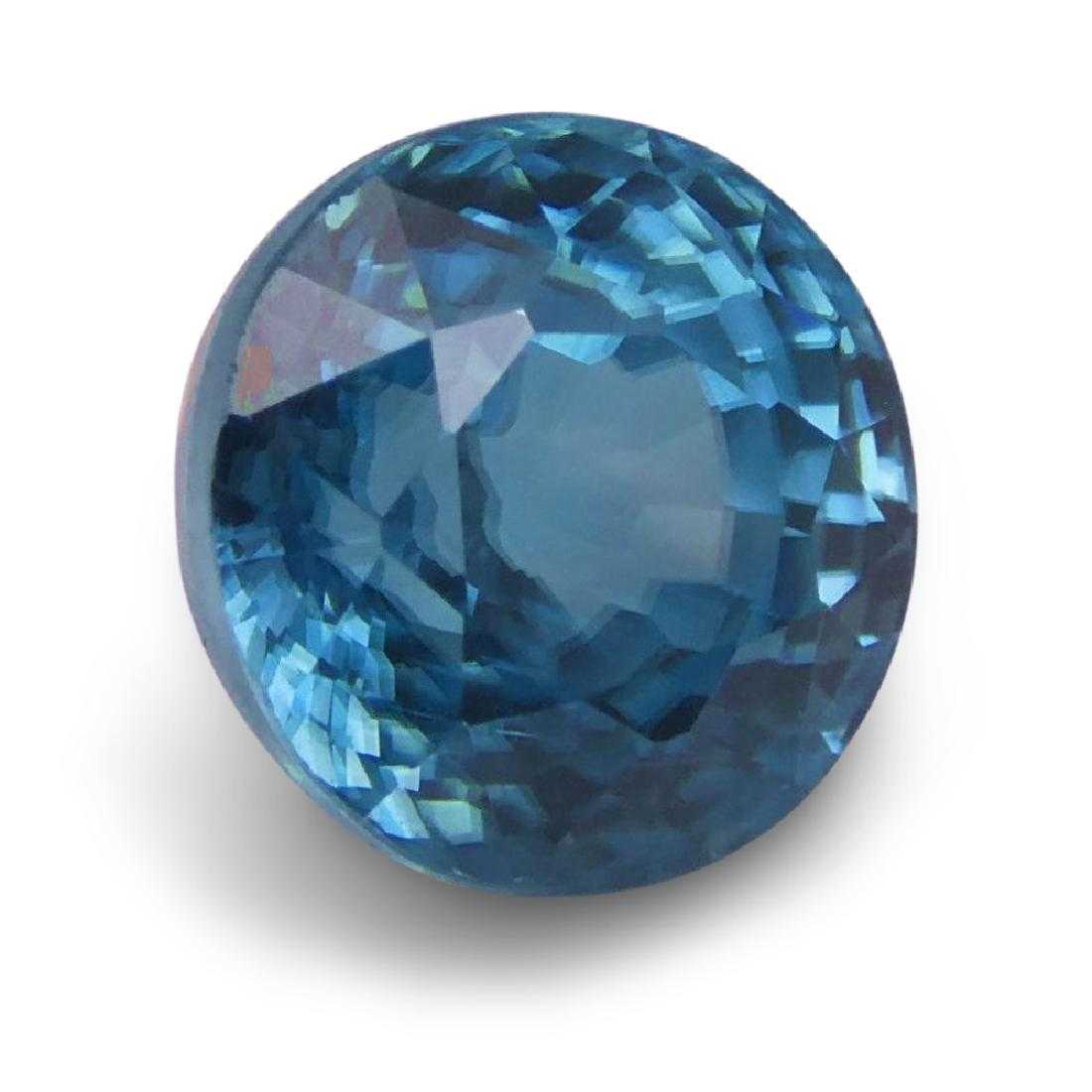
All classes of faceted zircon can be identified by abraded or worn facet edges.
Zircon has variable fluorescence. Some material is inert. Other crystals glow intensely. Mustard yellow and yellow-orange are typical fluorescent colors under shortwave (SW) ultraviolet (UV) light. Some zircons glow dull yellow in longwave (LW) UV light and may also phosphoresce. Zircon may be whitish, yellow, greenish, or violet-blue under X-rays.
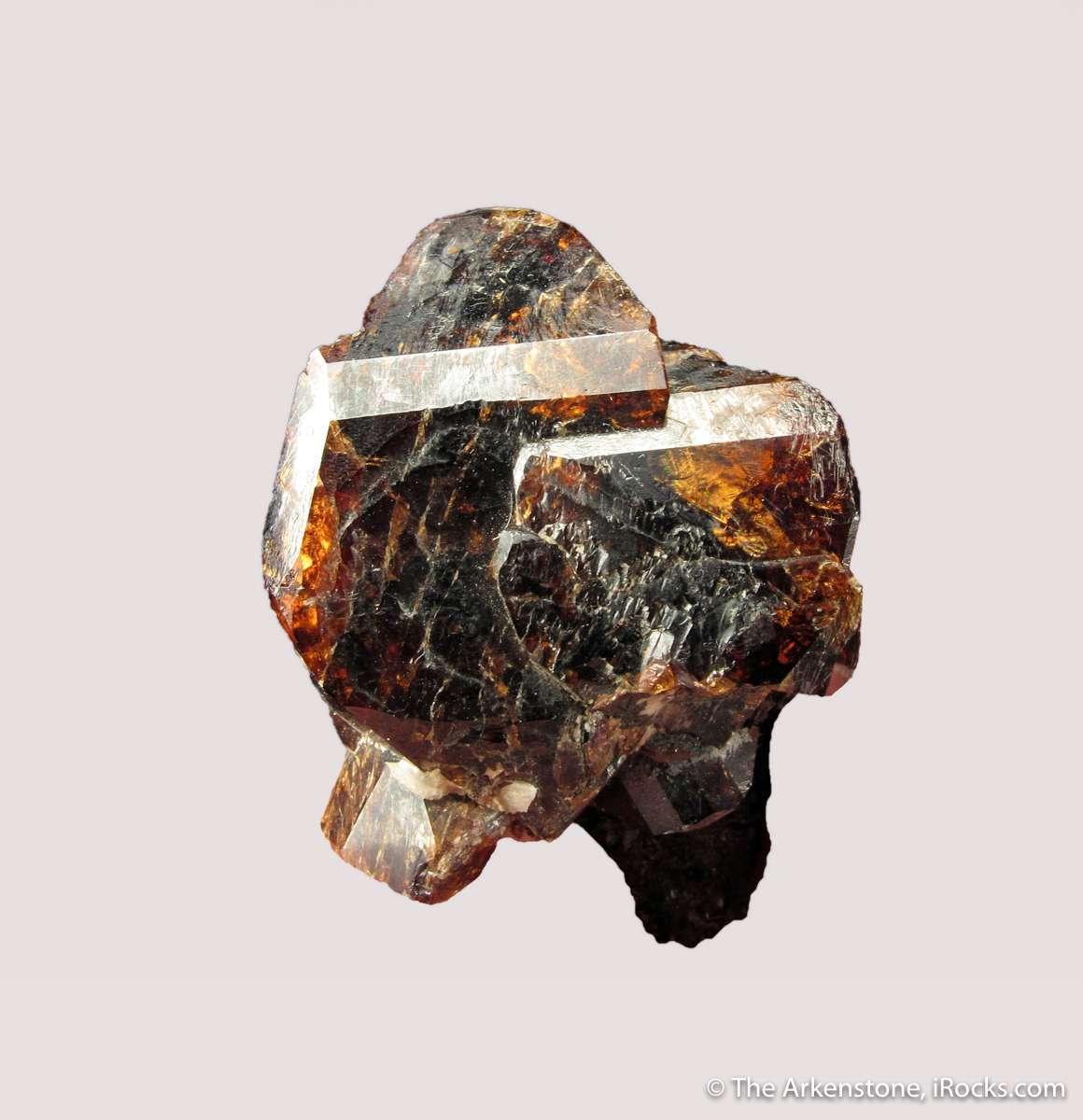
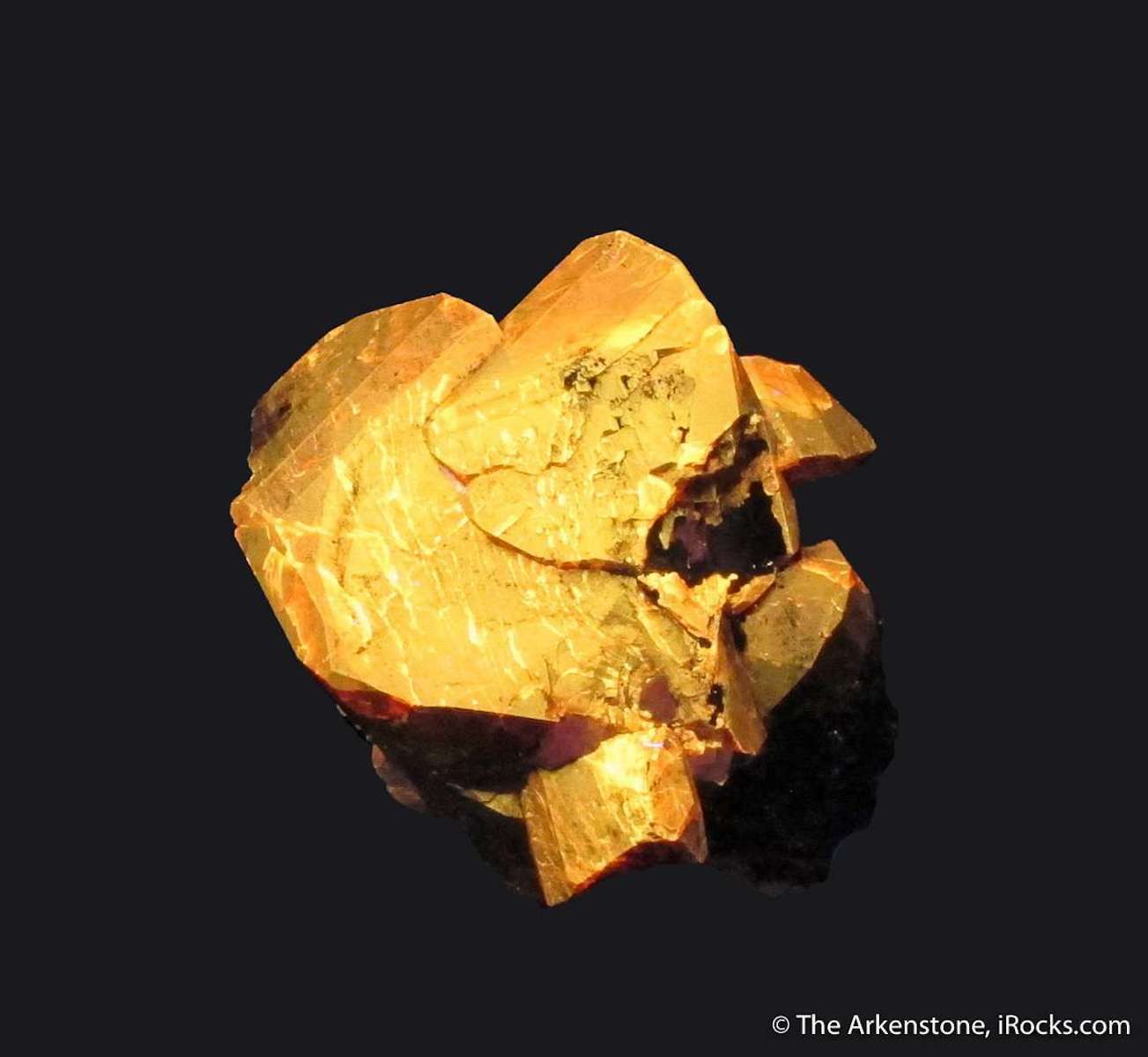
Golden red zircons on a biotite and hornblende matrix, with yellow-orange fluorescence under UV light. 7.6 x 4.4 x 3.9 cm, Seiland Island, Alta, Finnmark, Norway. © Rob Lavinsky, www.iRocks.com. Used with permission.
Most zircons show a strong absorption pattern that's very useful for identification. Green stones from Myanmar may show more than forty lines, while orange gems from New South Wales, Australia may show only a few lines. Low zircon and heat-treated stones have a weaker display.
Scientists have synthesized crystalline zircons via the flux method for research purposes. However, there's no known jewelry use for this lab-created material. Nevertheless, you may find "synthetic zircons" for sale online. It's not clear if this material is actually lab-created zircon or perhaps the more commonly found and well-known CZ.
While the CZ used for jewelry is a lab-created material, it's not synthetic zircon. Whether natural or lab-made, they remain distinct gem species.
Almost all colorless and blue zircons have been heat treated. This procedure is undetectable.
The popular blue, colorless, and golden yellow shades are usually produced by heating. The stones that yield these lovely colors typically start out naturally as brown or reddish brown.
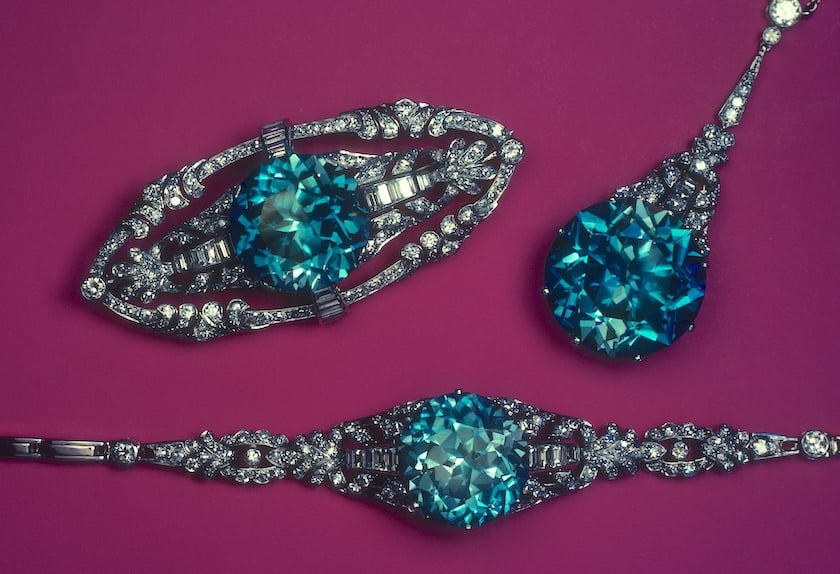
Zircons with other colors don't commonly receive this heat treatment. Green and yellow colors produced by heating usually have greater stability over time and more resistance to fading from sunlight and UV light than blues produced by heat.
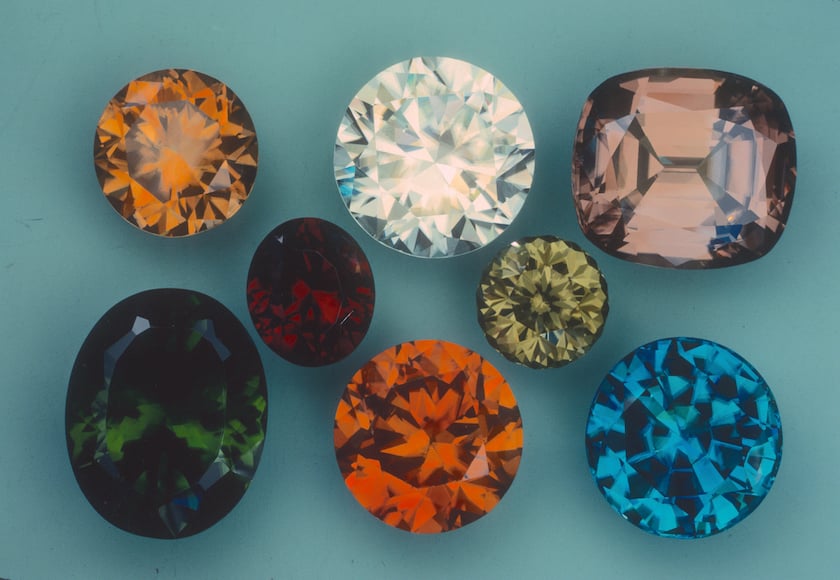
Zircon is found all over the world, but gem-quality crystals are rare. Southeast Asia is the primary sources of gem-quality zircons.
Sri Lanka produces material in all colors in gravels, including rare cat's eyes.
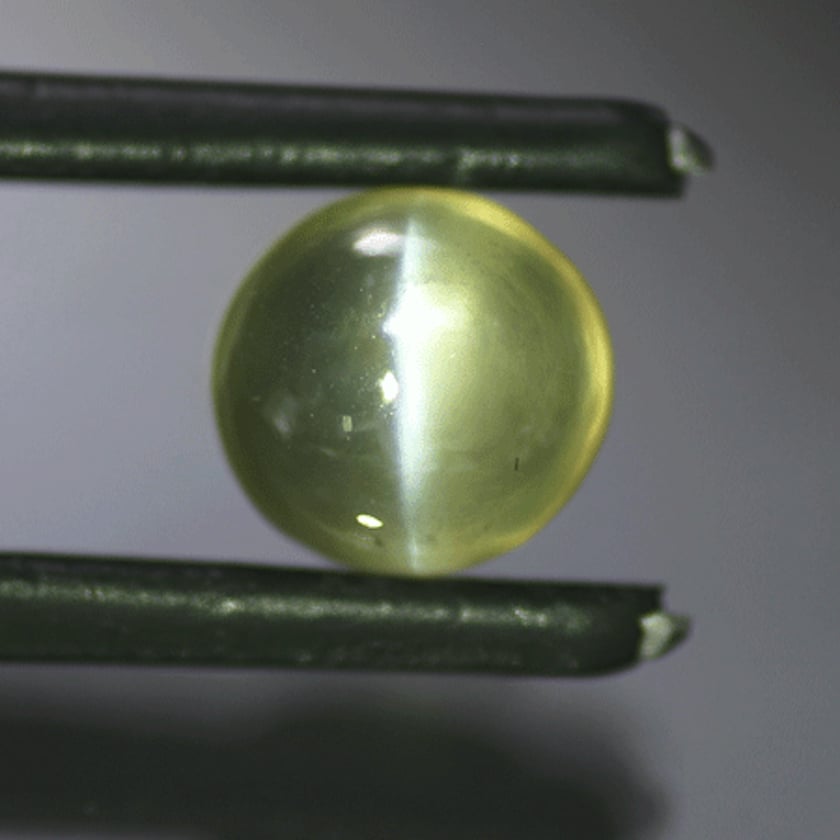
Cambodia is the chief source of material that heat treats to colorless and blue.
Myanmar produces yellowish and greenish stones in gem gravels with ruby. These stones have complex absorption spectra.
Thailand is one of the most important commercial sources of gem-grade zircon.
In 2021, the GIA published an article on heated blue, bi-color, and colorless gem-quality zircons reportedly from a mine near Maripa, Malawi.
Other notable gem-quality sources include the following localities:
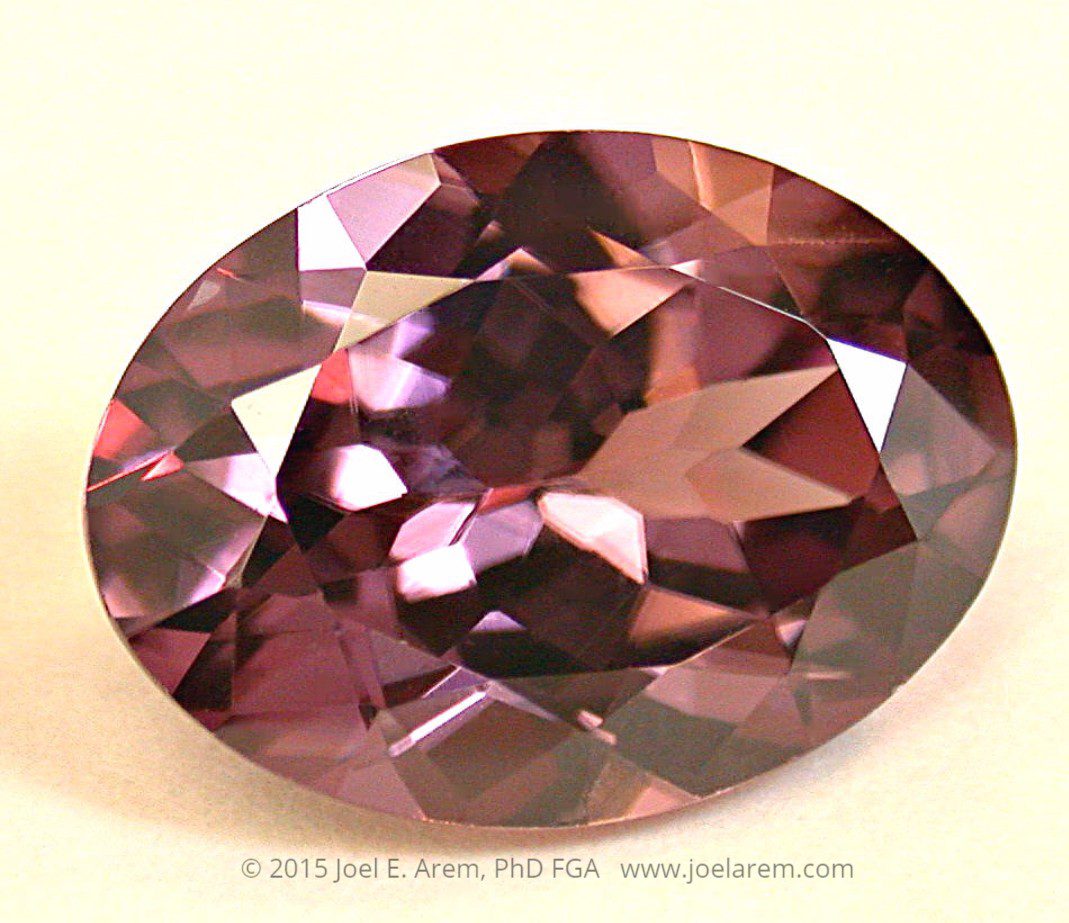
Most zircon crystals measure only a few millimeters in length. Although too small for jewelry, they are used in the industrial production of abrasives and ceramics. Gem-quality zircons tend to be small, but large sizes are available. The largest zircon gemstones come from Southeast Asian gem gravels.
Due to their brittleness, zircons should never be cleaned with mechanical systems, such as ultrasonic cleaners. Instead, use warm water, mild detergent, and a soft brush.
For more care recommendations, consult our gemstone jewelry cleaning guide.

When you join the IGS community, you get trusted diamond & gemstone information when you need it.
Although zircon and cubic zirconia (CZ) share a similar name, they are completely different gemstones. Gemologists define gem species by their chemical formula and crystal system. Zircon has a chemical formula of and forms in the crystal system. On the other hand, CZ has a chemical formula of and forms in the or cubic crystal system. They both contain some zirconium and oxygen but otherwise have different physical and optical properties.
While the CZ you may find in jewelry is all lab-created, the zircon used for jewelry is most likely a mined, naturally occurring mineral that might have been heat-treated. CZ isn't a mineral but instead a homocreate, a material that has no natural counterpart. Although there is evidence that CZ may have formed naturally on Earth after a meteorite impact over 4 billion years ago, the CZ used in jewelry is all lab-created material.
Another coincidence might lead to some confusion between zircon and CZ. Both materials have been used extensively as diamond simulants or lookalikes. (Of course, diamonds are another distinct gem species).
As a species, zircon has many interesting characteristics. Some, such as its high refractive index (RI) and dispersion, seem to have made it the "natural choice" for a diamond simulant, so to speak. When properly cut, colorless zircons can make very convincing diamond imitations and even outshine mediocre diamonds. (Interestingly, despite a long history as a diamond substitute, zircon is actually rarer than diamond).
However, the imitation only goes so far. Poor cutting can make these gems appear relatively dull and lifeless. Although zircons have a respectable hardness for jewelry stones (6 to 7.5), that falls well short of diamond's famous 10. Zircons are far more susceptible to scratching than diamonds. They also have a very brittle tenacity, lower than that of most gemstones. This means their facet edges tend to chip and wear easily.
The most obvious optical difference between zircons and diamonds is birefringence (double refraction). While diamonds have no birefringence, zircons have such a strong birefringence that gem cutters must orient the table of the stone to the optic axis. Otherwise, the interior may look fuzzy due to facet image doubling.
Zircons are more than just diamond simulants. They make stunning gemstones in their own right and occur naturally in a wide range of colors. Heat treatments also produce many additional colors.
However, any zircons in jewelry should be worn carefully to prevent damage. As ring stones, they need protective settings due to their very brittle tenacity. Pendants, brooches, and earrings are safer jewelry choices.
You should usually reserve zircon jewelry for occasional wear. Nevertheless, they can also make beautiful and unusual engagement ring stones. To learn more about choosing zircons for engagement rings, consult our articles on zircon engagement rings and delicate engagement ring stones.
Poorly cut zircons may also benefit from expert custom recutting. Take a look at the before-and-after photos of zircons in this article on gem recutting and repair.
Transparent reddish brown zircons. Historically, this name was also applied to hessonite, a reddish orange variety of garnet.
Rich, slightly greenish blue, heated zircons. Although you may still encounter this marketing name, it never really caught on.
Light yellow to colorless zircons.
Green zircons.
Yellow zircons.
Zircon rough and cut set. Crystal specimen: 4.0 x 1.2 x 1.1 cm; oval brilliant-cut gem: 14.11 x 11.25 mm, 11.40 cts. Ambilipitiya, Sri Lanka. © Rob Lavinsky, www.iRocks.com. Used with permission.
Colorless zircons.
Blue zircons.
Color change has been documented in zircons. In a 2021 GIA report, a zircon showed green color in incandescent, fluorescent, and warm LED light (2700 K) and grayish purple in daylight and cool LED light (6500 K). The report noted this rare phenomena is occasionally found in zircons from Mogok, Myanmar.
This mixed cushion-cut zircon from Myanmar appears blueish green in incandescent light and purple in daylight. 1.77 cts, 7.6 x 5.5 mm. © The Gem Trader. Used with permission.
Tenebrescence (reversible photochromism) has also been documented in zircons. A 2014 GIA article noted two distinct cases: zircons have been observed that turn orange in darkness but faded to near colorless when exposed to light; in another study, a reddish orange zircon darkened to brown when exposed to shortwave UV light, but its color returned when placed in darkness.
This vivid orange, round brilliant-cut zircon turns orangish brown when exposed to the UV in daylight. The change occurs in only a few minutes. The bright orange color returns after a few days in low light or darkness. 2.51 cts, 8.1 mm, Myanmar. © The Gem Trader. Used with permission.
Colorless zircons have been sold as "Matara " or "Matura diamonds" and "Ceylon diamonds." Although zircons are used to simulate diamonds, selling them as actual diamonds is unethical.
Blue zircons have been deceptively sold as "Siam aquamarines."
Although zircons are rarer than both diamonds and aquamarines, these gems are more popular than zircons. Thus, some dishonest vendors will use these misleading names to sell zircons more easily.
For more examples of deceptively labeled gems, see our List of False or Misleading Gemstone Names.
Some zircon crystals pick up small amounts of radioactive uranium and thorium during their natural growth. Over millions of years, this natural radiation breaks down their crystal structure. These zircons usually become metamict. That is, they are materials that have lost their crystalline structure and become amorphous due to radiation. Metamict zircons have a lower RI and brilliance than the crystalline type.
Zircon is classed as "high," "immediate" or "medium," or "low" based on the extent of its crystallization. (These are also called alpha, beta, and gamma zircons). The classes are easy to distinguish because the properties change in an even progression.
Interestingly, dispersion is the same for both high and low varieties while other optical properties vary. Low zircons usually have a cloudy texture. High zircons have higher hardness values than low zircons.
| Low Zircon | Intermediate | High Zircon | |
| Colors | Green, brown, orange, purple | Brownish green, dark red | Colorless, blue, brownish orange |
| RI | o = 1.780-1.815 (almost isotropic) | o = 1.830-1.930 e = 1.840-1.970 | o = 1.920-1.940 (often 1.925) e = 1.970-2.010 (often 1.984) |
| Birefringence | 0-0.008 | 0.008-0.043 | 0.036-0.059 (usually 0.059) |
| Specific Gravity | 3.95-4.20 (usually about 4.00) | 4.08-4.60 | 4.60-4.80 (usually 4.70) |
Wearing zircons typically won't pose any significant health risks. Most gem-quality zircons fall into the high category. This means the zircons most commonly used in jewelry aren't radioactive. On the other hand, zircons of the intermediate or low type may have very mild levels of radioactivity, due to the presence of very low traces of uranium, thorium, or other radioactive impurities. However, the radiation produced by these zircons usually doesn't exceed background radiation levels. Nevertheless, concerned consumers may wish to have a gem lab measure the radioactivity of zircons with colors typical of metamict stones: green, brown, or orange.
In addition to standard lapidary safety procedures, faceters should also check the radioactivity of zircons and take appropriate precautions before working on them.
The most obvious way to distinguish a zircon presented as a substitute diamond from an actual diamond is by the former's birefringence.
All classes of faceted zircon can be identified by abraded or worn facet edges.
Zircon has variable fluorescence. Some material is inert. Other crystals glow intensely. Mustard yellow and yellow-orange are typical fluorescent colors under shortwave (SW) ultraviolet (UV) light. Some zircons glow dull yellow in longwave (LW) UV light and may also phosphoresce. Zircon may be whitish, yellow, greenish, or violet-blue under X-rays.
Golden red zircons on a biotite and hornblende matrix, with yellow-orange fluorescence under UV light. 7.6 x 4.4 x 3.9 cm, Seiland Island, Alta, Finnmark, Norway. © Rob Lavinsky, www.iRocks.com. Used with permission.
Most zircons show a strong absorption pattern that's very useful for identification. Green stones from Myanmar may show more than forty lines, while orange gems from New South Wales, Australia may show only a few lines. Low zircon and heat-treated stones have a weaker display.
Scientists have synthesized crystalline zircons via the flux method for research purposes. However, there's no known jewelry use for this lab-created material. Nevertheless, you may find "synthetic zircons" for sale online. It's not clear if this material is actually lab-created zircon or perhaps the more commonly found and well-known CZ.
While the CZ used for jewelry is a lab-created material, it's not synthetic zircon. Whether natural or lab-made, they remain distinct gem species.
Almost all colorless and blue zircons have been heat treated. This procedure is undetectable.
The popular blue, colorless, and golden yellow shades are usually produced by heating. The stones that yield these lovely colors typically start out naturally as brown or reddish brown.
Zircons with other colors don't commonly receive this heat treatment. Green and yellow colors produced by heating usually have greater stability over time and more resistance to fading from sunlight and UV light than blues produced by heat.
Zircon is found all over the world, but gem-quality crystals are rare. Southeast Asia is the primary sources of gem-quality zircons.
Sri Lanka produces material in all colors in gravels, including rare cat's eyes.
Cambodia is the chief source of material that heat treats to colorless and blue.
Myanmar produces yellowish and greenish stones in gem gravels with ruby. These stones have complex absorption spectra.
Thailand is one of the most important commercial sources of gem-grade zircon.
In 2021, the GIA published an article on heated blue, bi-color, and colorless gem-quality zircons reportedly from a mine near Maripa, Malawi.
Other notable gem-quality sources include the following localities:
Most zircon crystals measure only a few millimeters in length. Although too small for jewelry, they are used in the industrial production of abrasives and ceramics. Gem-quality zircons tend to be small, but large sizes are available. The largest zircon gemstones come from Southeast Asian gem gravels.
Due to their brittleness, zircons should never be cleaned with mechanical systems, such as ultrasonic cleaners. Instead, use warm water, mild detergent, and a soft brush.
For more care recommendations, consult our gemstone jewelry cleaning guide.




Don’t be confused by the name. Zircon is a natural, magnificent, and underrated gemstone that has been worn and treasured since ancient times. It’s not cubic zirconia. Available in many colors, zircon is one of the modern December birthstones and will look wonderful in jewelry if set carefully.
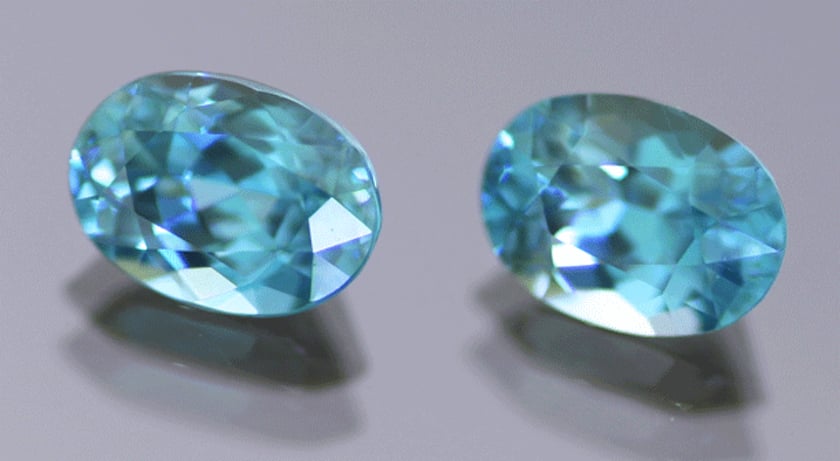
Zircons come in many colors, but blue is perhaps the most popular and expensive. However, almost all blue zircon is heat treated.
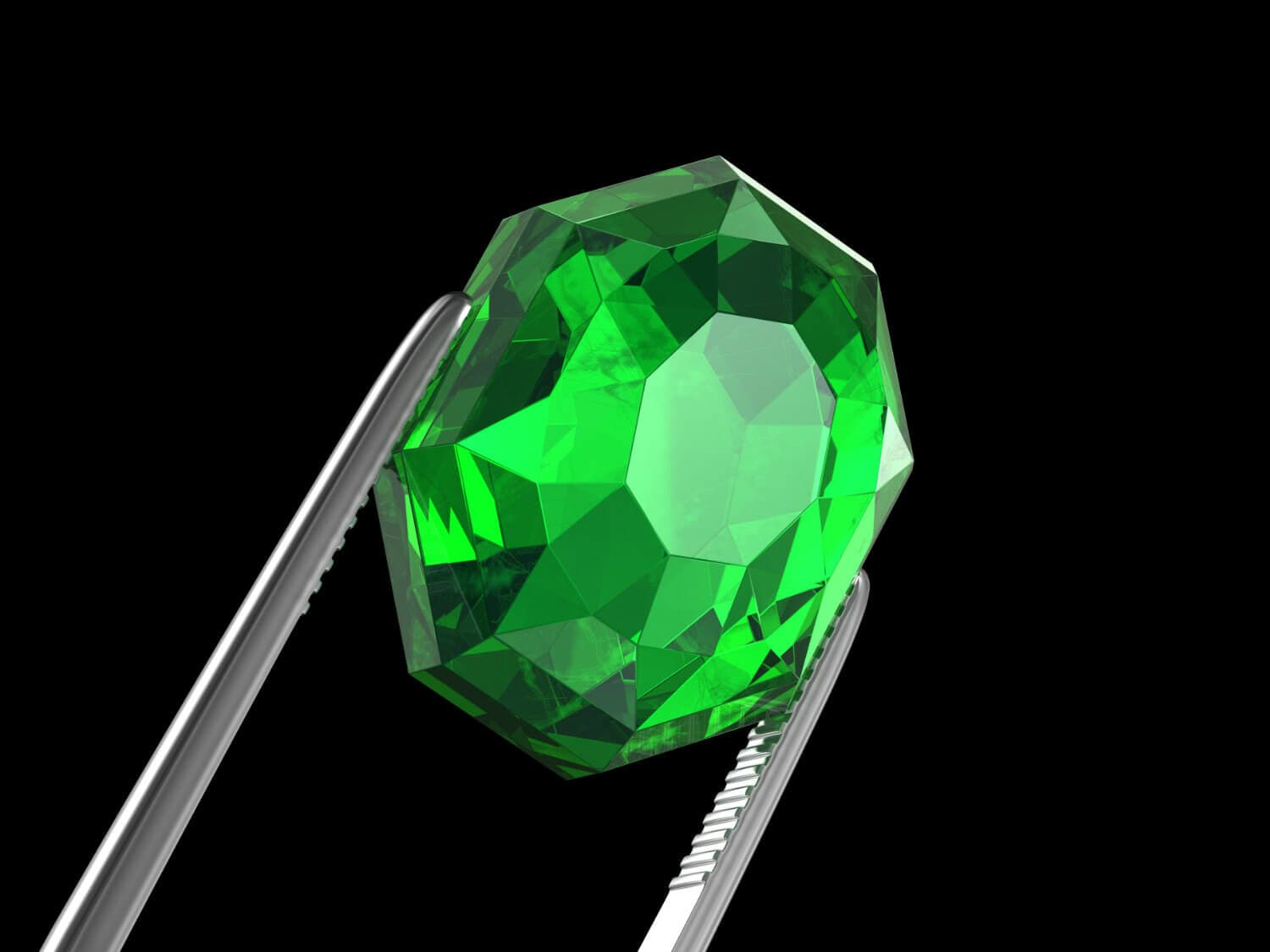
Green is the rarest natural color usually used in jewelry.
To learn more about zircon quality factors, consult our zircon buying guide.