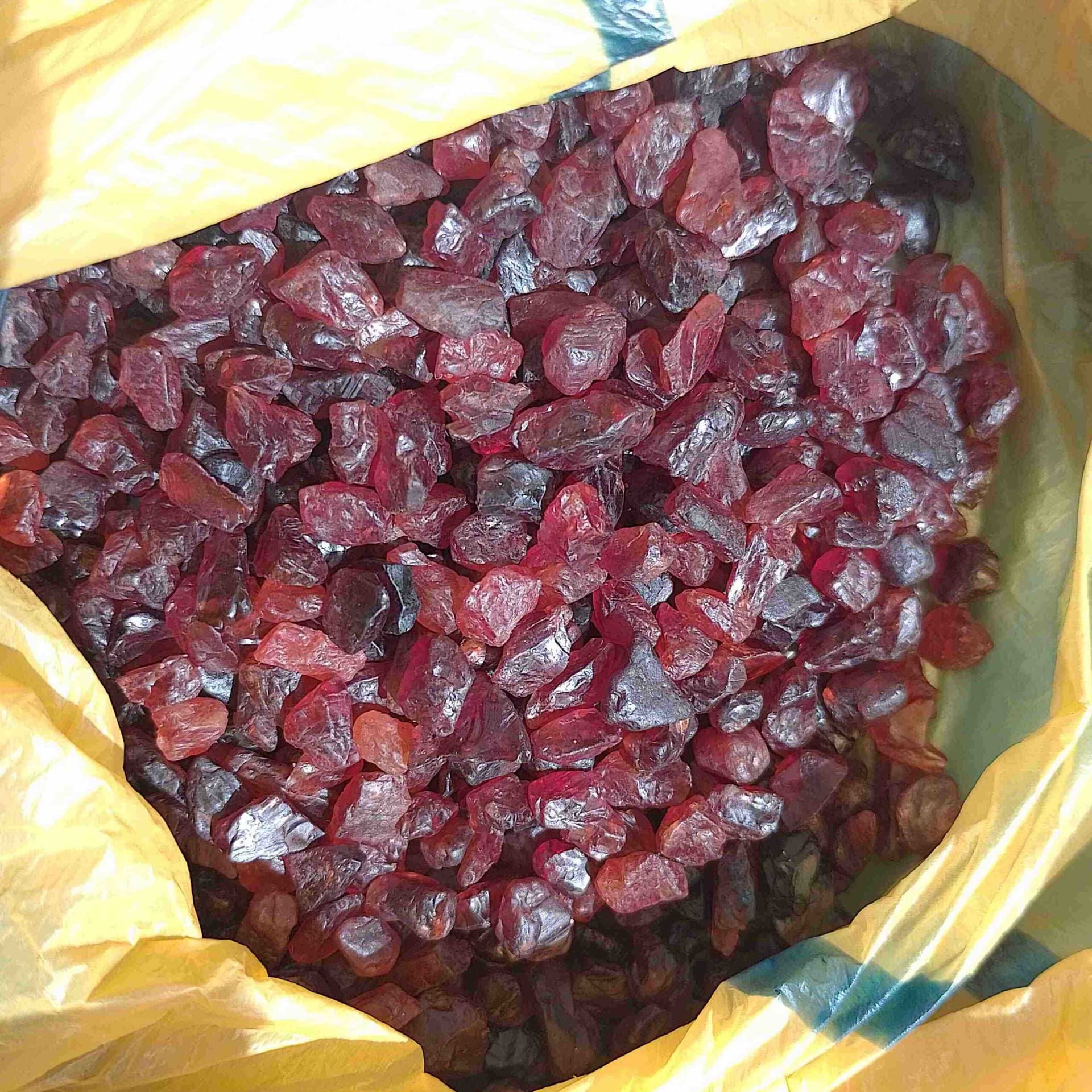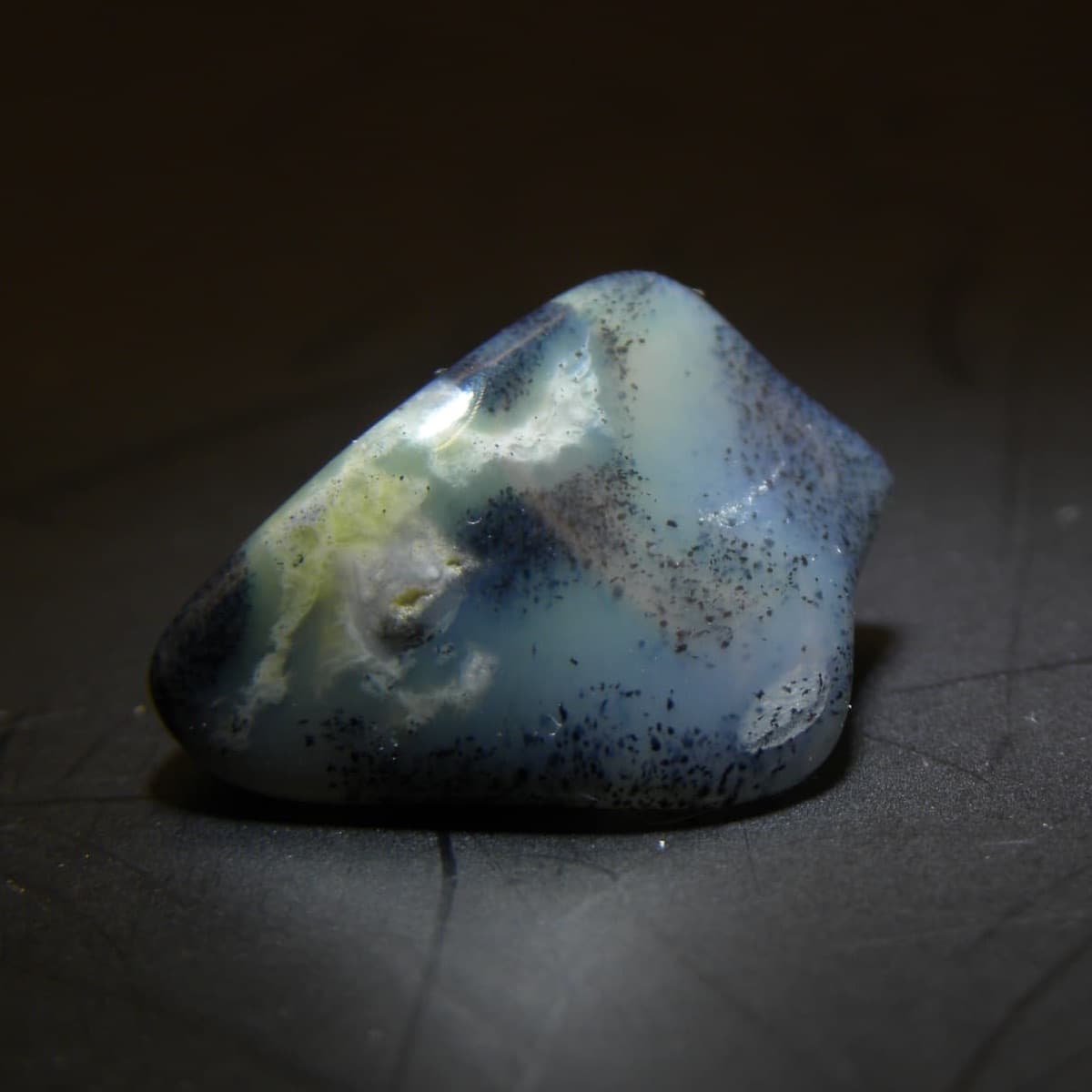
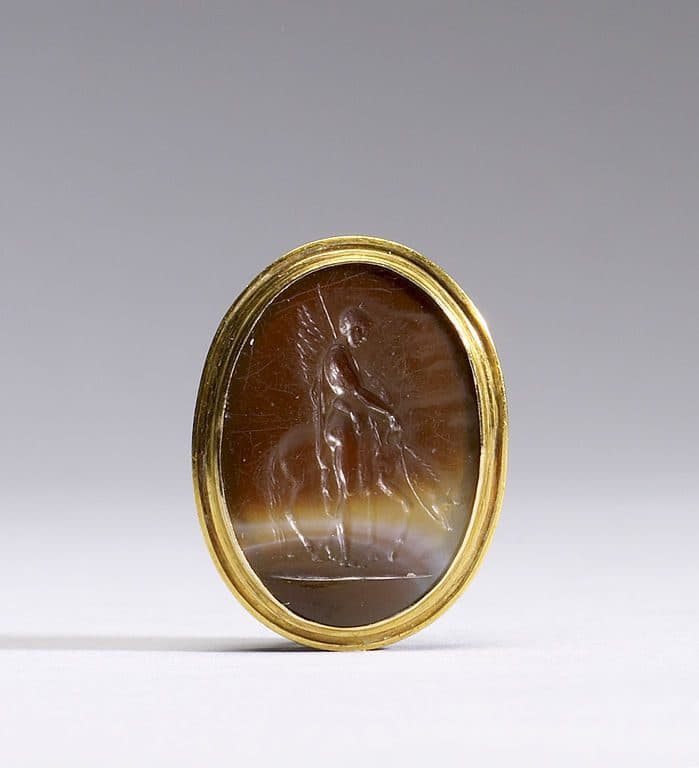
What do you know about birthstones? Take our short birthstone quiz and learn about the makeup, cutting, and value of these popular gemstones.
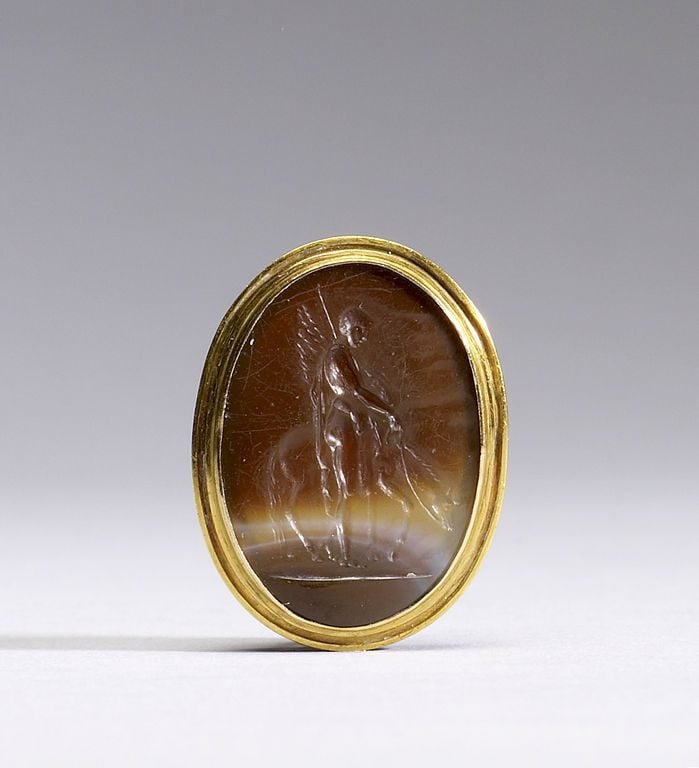
Throughout history, people have given poetic meanings to different gemstones. Nowadays, our use of birthstones is probably the best-known example of this practice. Each month has a special stone assigned to it. For those born in a particular month, that month's gem purportedly acts as a "good luck" charm. Of course, birthstones and their meanings vary across cultures. Below you'll find a list of birthstones commonly used in English speaking countries.
MONTH | MODERN | ANCIENT |
| January | Garnet | Garnet |
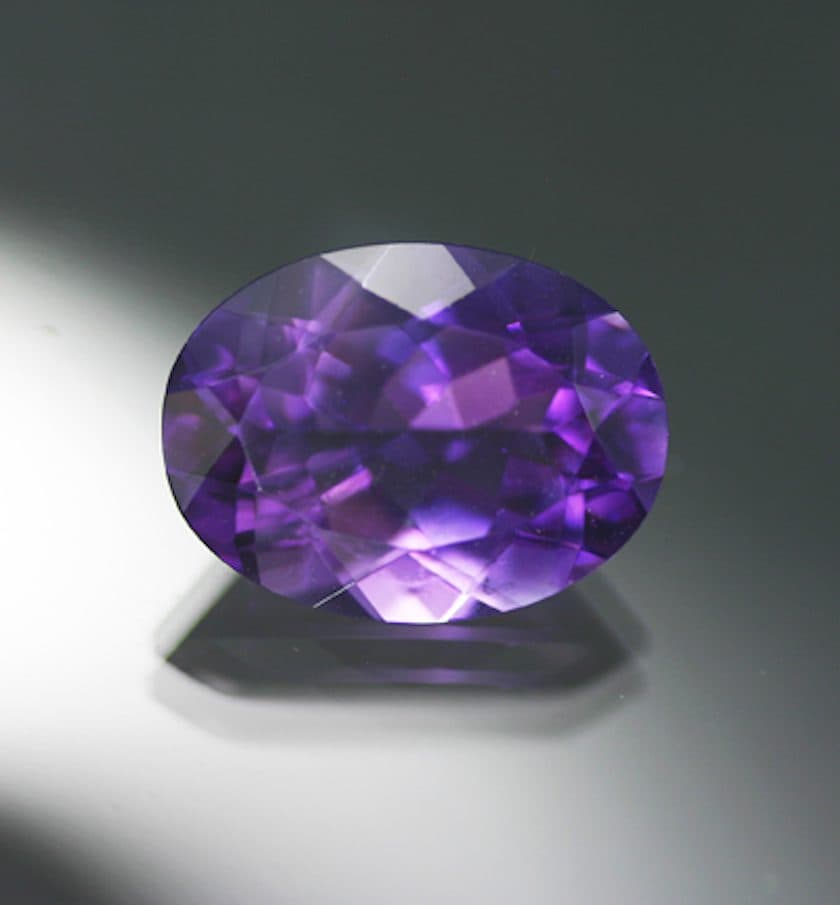
| February | Amethyst | Amethyst |
| March | Aquamarine | Bloodstone |
| April | Diamond | Diamond |
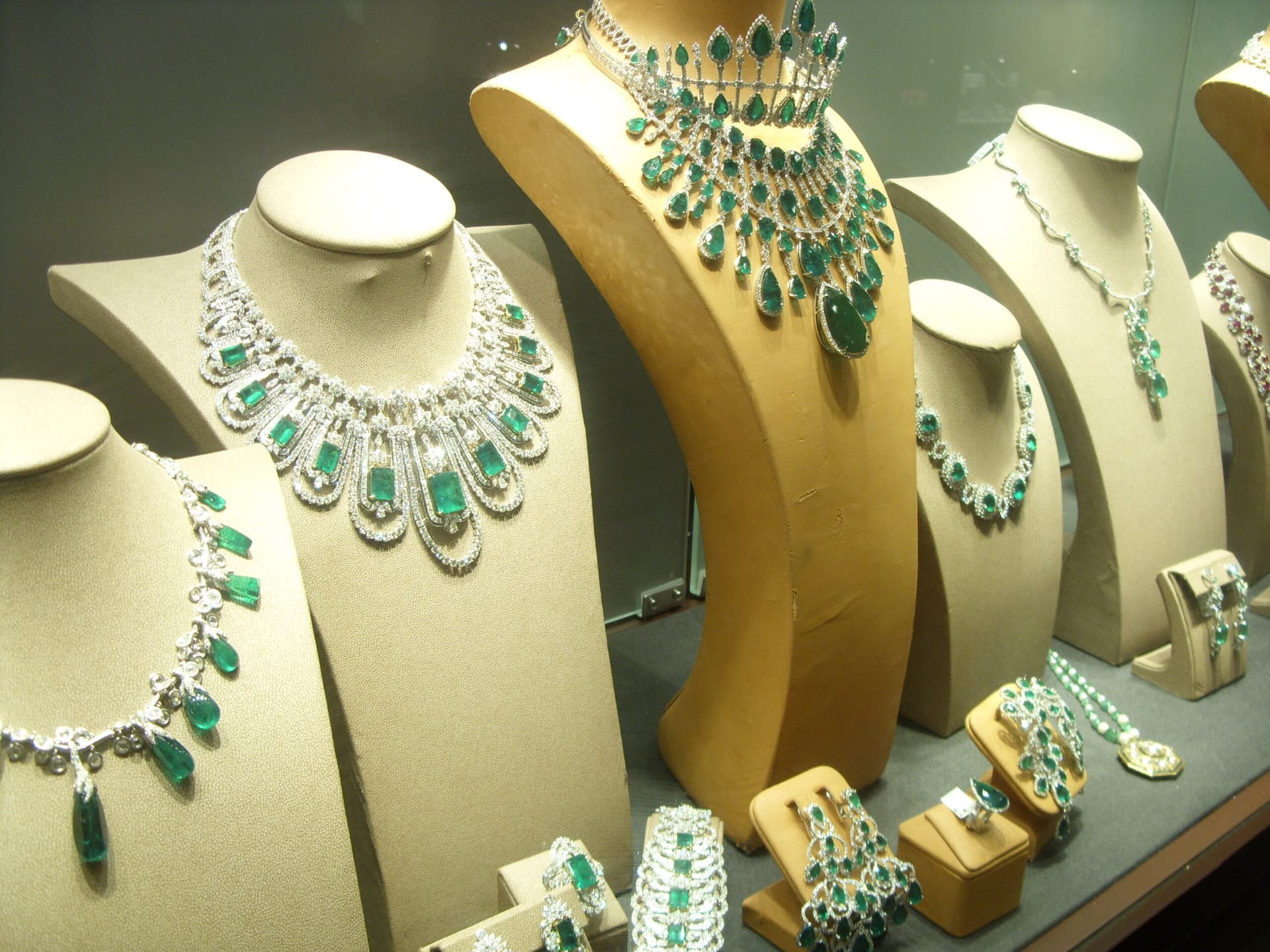
| May | Emerald | Emerald |
| June | Alexandrite | Pearl |
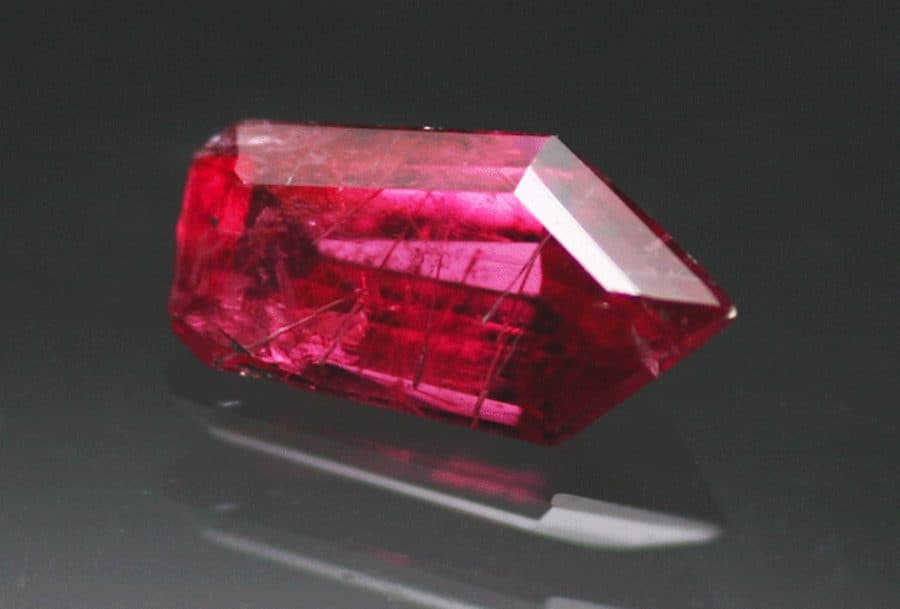
| July | Ruby | Ruby |
| August | Peridot | Sardonyx |
| September | Sapphire | Sapphire |
| October | Tourmaline | Opal |
| November | Golden Topaz or Citrine | Topaz |
| December | Blue Zircon or Tanzanite | Turquoise or Lapis |
The "modern" list was created in the early 20th century. However, it never really replaced the "ancient" or traditional list. It became more of a supplement. Today, people freely choose between modern and ancient options. In addition to these, some people consult alternative birthstone lists, including lists based on astrological signs and birth hour.

When you join the IGS community, you get trusted diamond & gemstone information when you need it.
Throughout history, people have given poetic meanings to different gemstones. Nowadays, our use of birthstones is probably the best-known example of this practice. Each month has a special stone assigned to it. For those born in a particular month, that month's gem purportedly acts as a "good luck" charm. Of course, birthstones and their meanings vary across cultures. Below you'll find a list of birthstones commonly used in English speaking countries.
MONTH | MODERN | ANCIENT |
| January | Garnet | Garnet |
| February | Amethyst | Amethyst |
| March | Aquamarine | Bloodstone |
| April | Diamond | Diamond |
| May | Emerald | Emerald |
| June | Alexandrite | Pearl |
| July | Ruby | Ruby |
| August | Peridot |
The "modern" list was created in the early 20th century. However, it never really replaced the "ancient" or traditional list. It became more of a supplement. Today, people freely choose between modern and ancient options. In addition to these, some people consult alternative birthstone lists, including lists based on astrological signs and birth hour.

| Sardonyx |
| September | Sapphire | Sapphire |
| October | Tourmaline | Opal |
| November | Golden Topaz or Citrine | Topaz |
| December | Blue Zircon or Tanzanite | Turquoise or Lapis |
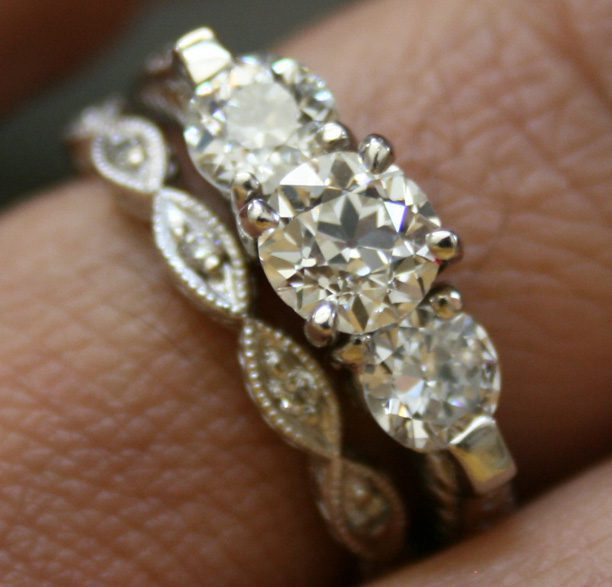
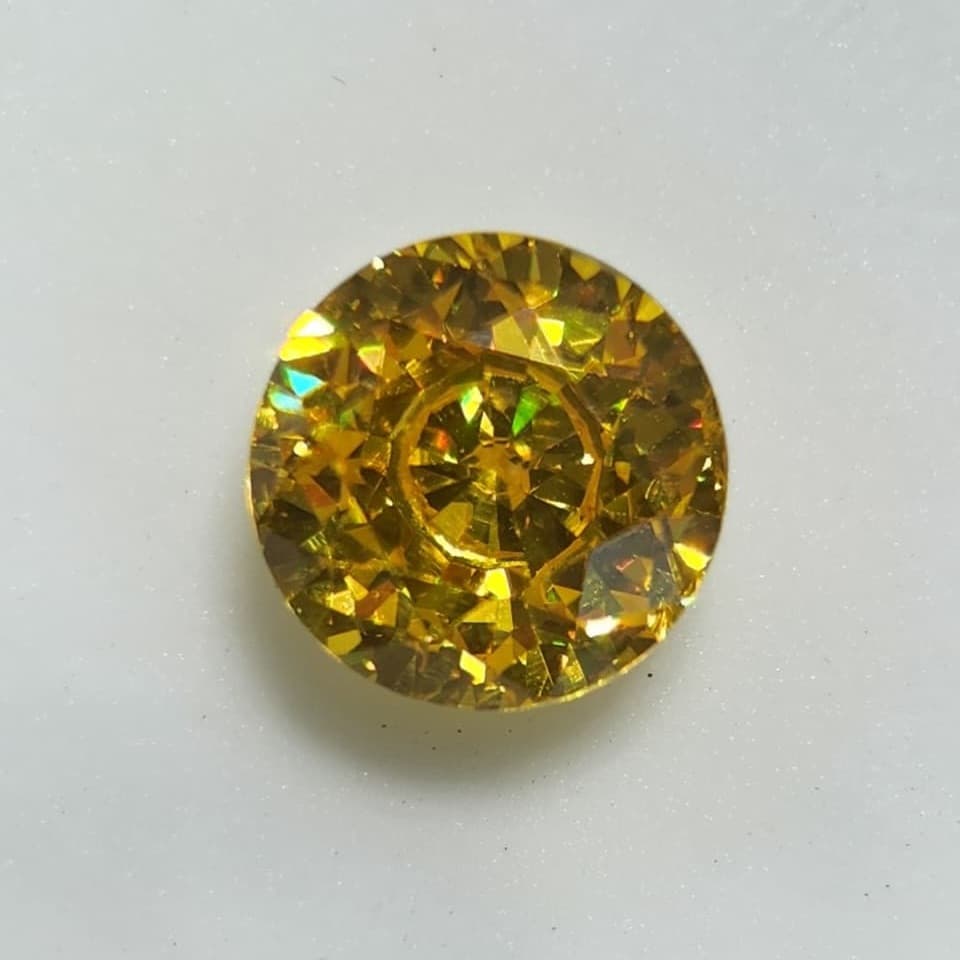
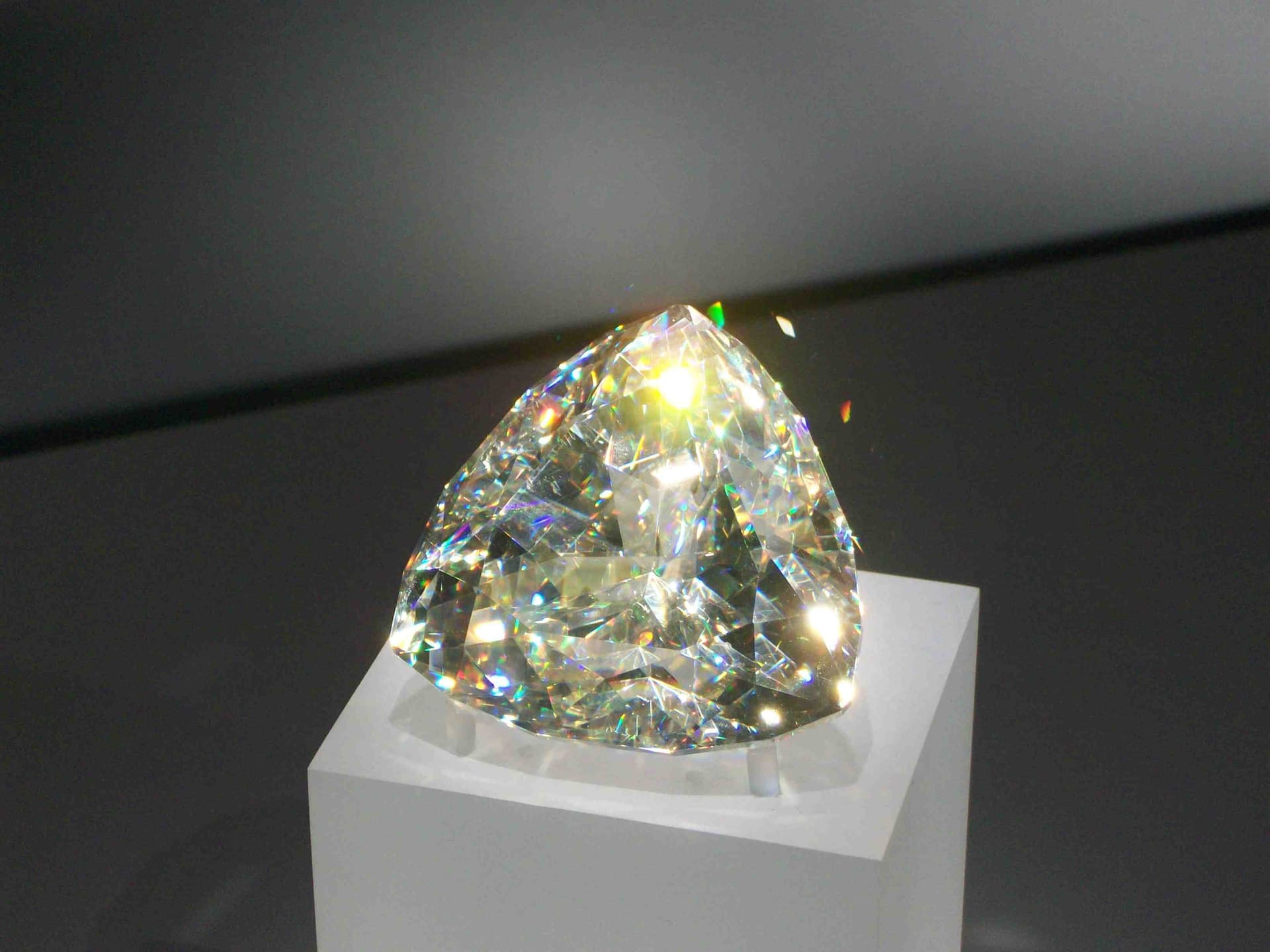
Faceting will bring out a gem's brilliance. This term refers to a gem reflecting the light entering it back to the viewer. Don't confuse brilliance with "fire" or dispersion. This term refers to the multicolored flashes you see coming out of diamonds and some other gems.
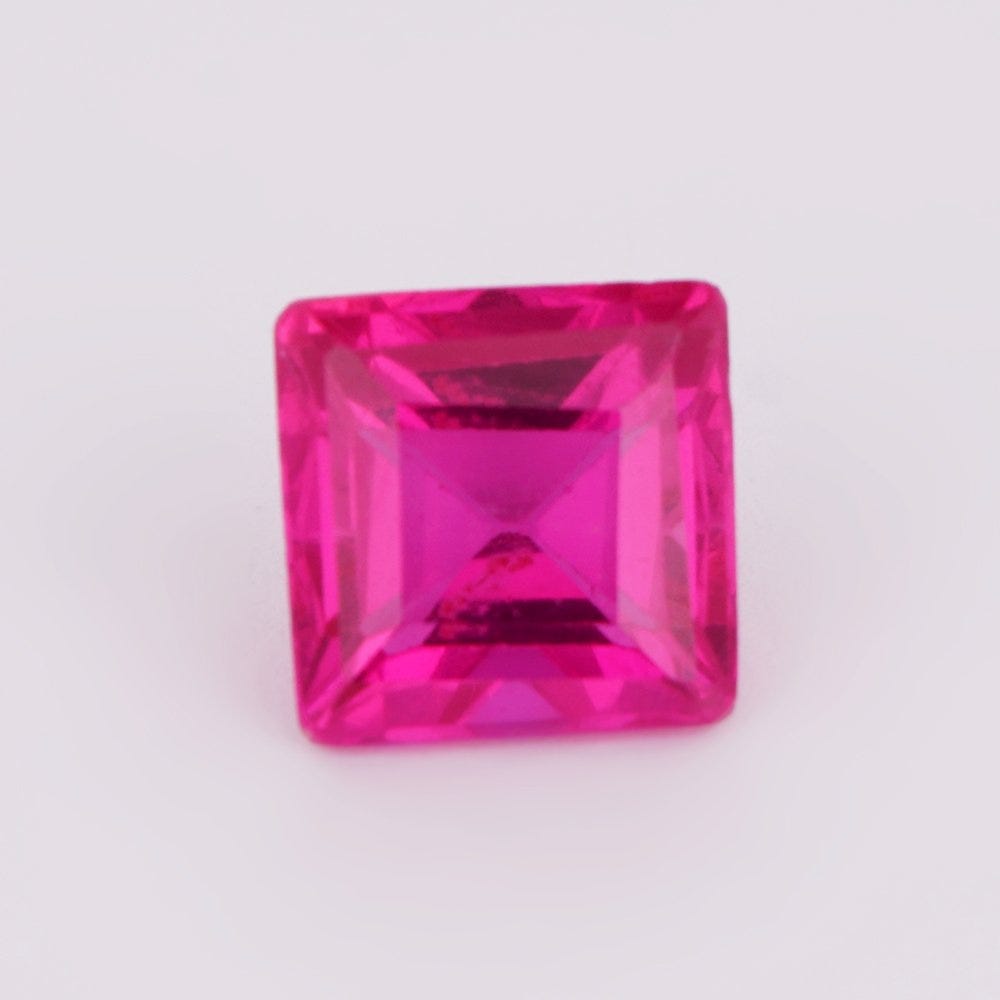
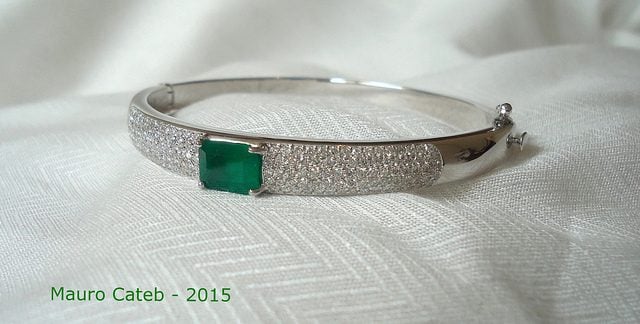
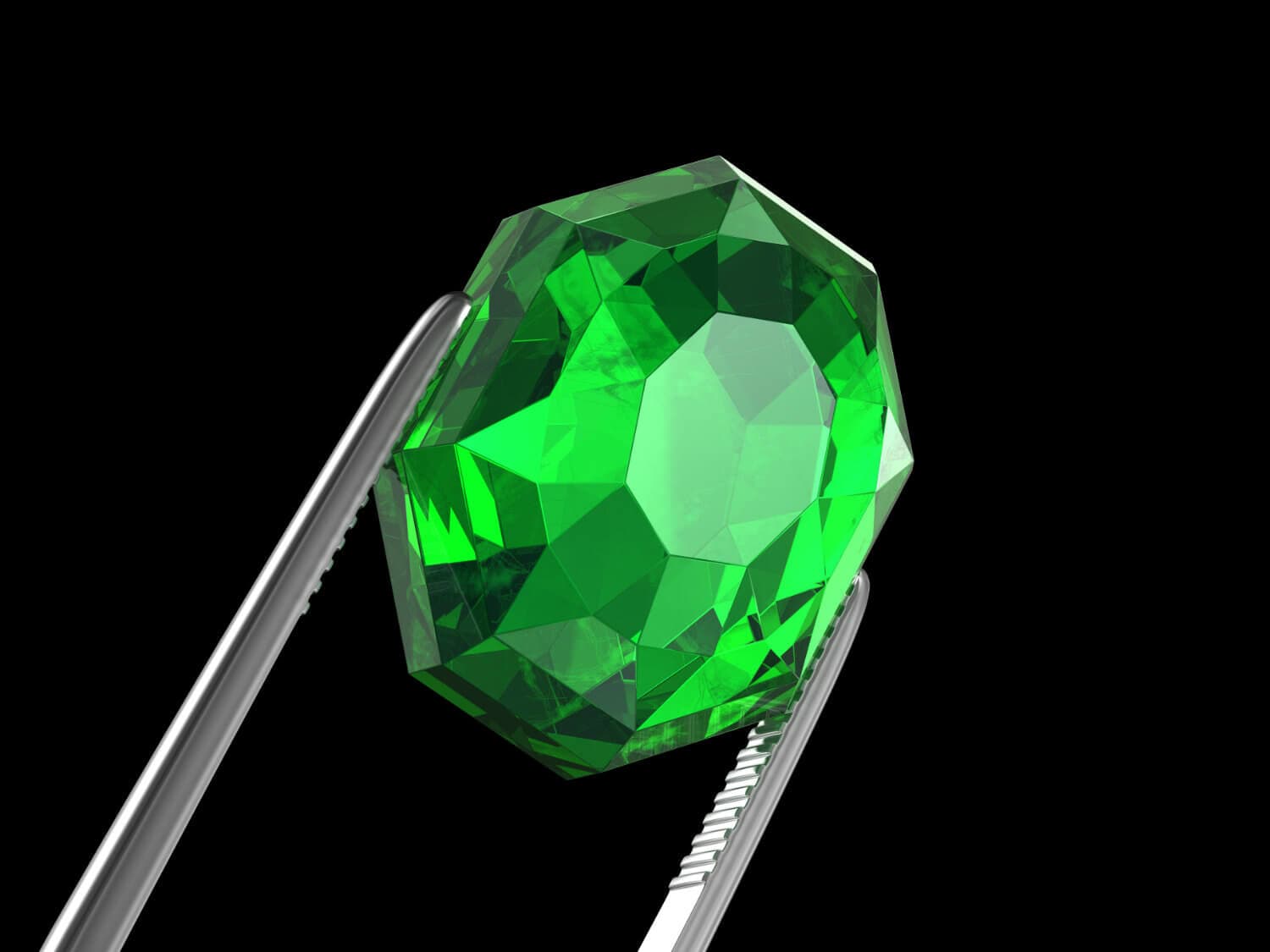
Emeralds grow fairly large. Thus, size isn't as important a consideration as with ruby. However, emerald gems almost always have visible inclusions. A top colored diamond, with the same amount of inclusions as a top colored emerald, would have less value.
Gem faceting quality greatly affects beauty and value. Just imagine a diamond that sparkles with fire and light. Next to it, imagine a diamond that looks dull, like a piece of cut glass. That's the difference faceting can make.