
Crystals have habits. In crystallography, mineral habits refer to the way crystals form within a specific mineral. There are six crystal systems.
2 Minute Read
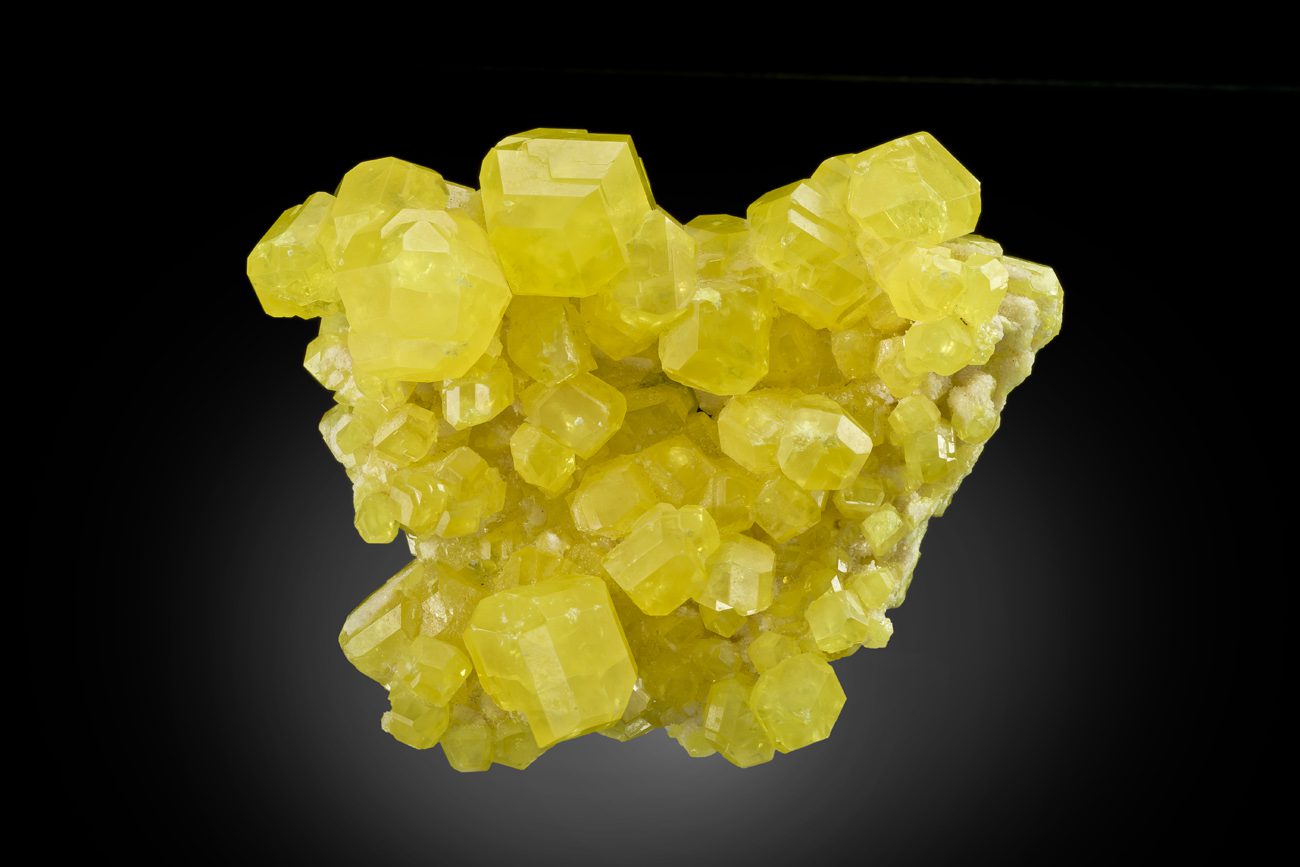
There are six crystal systems, and all minerals form crystals in one of these six systems. Although you may have seen more than six shapes of crystals, they're all variations of one of these six habits. Each system is defined by a combination of three factors:


An axis is a direction between the sides. The shortest one is A. The longest is C. There is a B axis as well and sometimes a D axis.
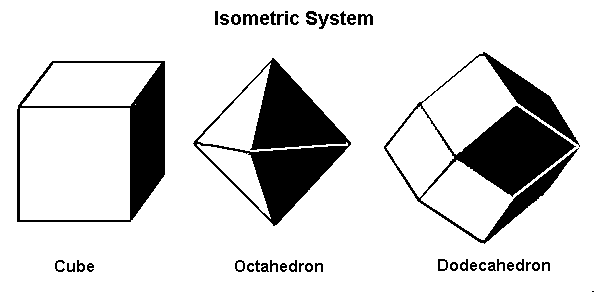
The first and simplest crystal system is the isometric or cubic system. It has three axes, all of which are the same length. The three axes in the isometric system all intersect at 90º to each other. Because of the equality of the axes, minerals in the cubic system are singly refractive or isotropic.

Minerals that form in the isometric system include all garnets, diamond, fluorite, gold, lapis lazuli, pyrite, silver, sodalite, sphalerite, and spinel.
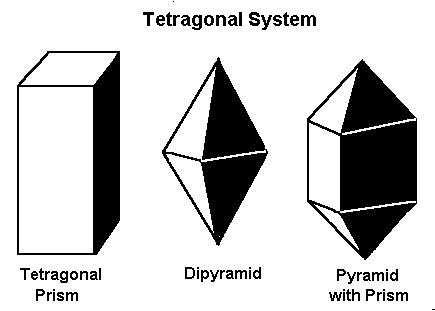
The tetragonal system also has three axes that all meet at 90º. It differs from the isometric system in that the C axis is longer than the A and B axes, which are the same length.

Minerals that form in the tetragonal system include apophyllite, idocrase, rutile, scapolite, wulfenite, and zircon.

In this system there are three axes, all of which meet at 90º to each other. However, all the axes are different lengths.
Minerals that form in the orthorhombic system include andalusite, celestite, chrysoberyl (including alexandrite), cordierite, iolite, danburite, zoisite, tanzanite, thulite, enstatite, hemimorphite, fibrolite/sillimanite, hypersthene, olivine, peridot, sulfur, and topaz.


The previously discussed crystal systems all have axes/sides that meet at 90º. In the monoclinic system, two of the axes, A and C, meet at 90º, but axis B does not. All axes in the monoclinic system are different lengths.
Minerals that form in the monoclinic system include azurite, brazilianite, crocoite, datolite, diopside, jadeite, lazulite, malachite, orthoclase feldspars (including albite moonstone), staurolite, sphene, and spodumene (including hiddenite and kunzite).
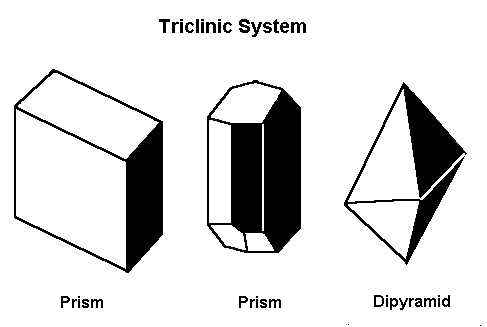
In the triclinic system, all the axes are different lengths. None of them meet at 90º.
Minerals that form in the triclinic system include amblygonite, axinite, kyanite, microcline feldspar (including amazonite and aventurine), plagioclase feldspars (including labradorite), rhodonite, and turquoise.
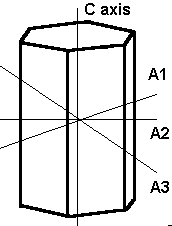
The crystal systems previously discussed represent every variation of four-sided figures with three axes. In the hexagonal system, we have an additional axis, which gives the crystals six sides. Three of these are equal in length and meet at 60º to each other. The C or vertical axis is at 90º to the shorter axes.
Minerals that form in the hexagonal system include apatite, beryl (including aquamarine, emerald, heliodor, and morganite), taaffeite, and zincite.

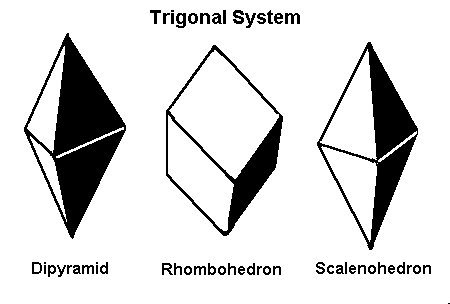
Mineralogists sometimes divide the hexagonal system into two crystal systems, the hexagonal and the trigonal, based on their external appearance. (Corundum, both ruby and sapphire, is sometimes described as trigonal). However, for gemological purposes, the above six categories are sufficient.
Amorphous materials aren't minerals because they don't form in any of these crystal systems. Examples of amorphous materials used as gems include amber, glass (including obsidian), ivory, jet, moldavite, and opal.
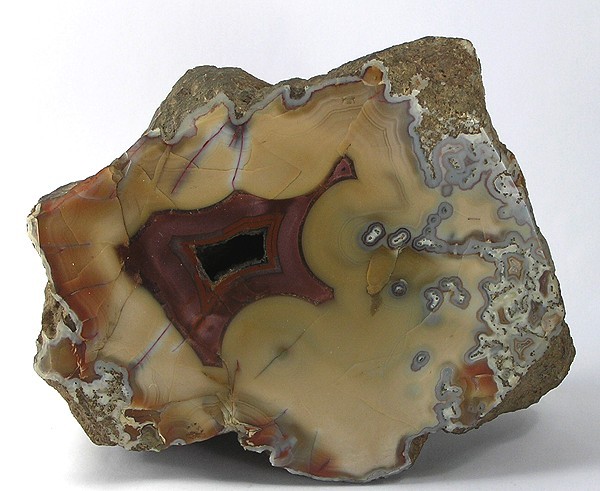
Some materials used as gems may contain crystals of minerals but can't themselves be described as crystals because they don't have a uniform crystal structure. These materials are called polycrystalline.



When you join the IGS community, you get trusted diamond & gemstone information when you need it.
There are six crystal systems, and . Although you may have seen more than six shapes of crystals, they're all variations of one of these six habits. Each system is defined by a combination of three factors:
An axis is a direction between the sides. The shortest one is A. The longest is C. There is a B axis as well and sometimes a D axis.
The first and simplest crystal system is the isometric or cubic system. It has three axes, all of which are the same length. The three axes in the isometric system all intersect at 90º to each other. Because of the equality of the axes, minerals in the cubic system are singly refractive or isotropic.
Minerals that form in the isometric system include all garnets, diamond, fluorite, gold, lapis lazuli, pyrite, silver, sodalite, sphalerite, and spinel.
The tetragonal system also has three axes that all meet at 90º. It differs from the isometric system in that the C axis is longer than the A and B axes, which are the same length.
Minerals that form in the tetragonal system include apophyllite, idocrase, rutile, scapolite, wulfenite, and zircon.
In this system there are three axes, all of which meet at 90º to each other. However, all the axes are different lengths.
Minerals that form in the orthorhombic system include andalusite, celestite, chrysoberyl (including alexandrite), cordierite, iolite, danburite, zoisite, tanzanite, thulite, enstatite, hemimorphite, fibrolite/sillimanite, hypersthene, olivine, peridot, sulfur, and topaz.
The previously discussed crystal systems all have axes/sides that meet at 90º. In the monoclinic system, two of the axes, A and C, meet at 90º, but axis B does not. All axes in the monoclinic system are different lengths.
Minerals that form in the monoclinic system include azurite, brazilianite, crocoite, datolite, diopside, jadeite, lazulite, malachite, orthoclase feldspars (including albite moonstone), staurolite, sphene, and spodumene (including hiddenite and kunzite).
In the triclinic system, all the axes are different lengths. None of them meet at 90º.
Minerals that form in the triclinic system include amblygonite, axinite, kyanite, microcline feldspar (including amazonite and aventurine), plagioclase feldspars (including labradorite), rhodonite, and turquoise.
The crystal systems previously discussed represent every variation of four-sided figures with three axes. In the hexagonal system, we have an additional axis, which gives the crystals six sides. Three of these are equal in length and meet at 60º to each other. The C or vertical axis is at 90º to the shorter axes.
Minerals that form in the hexagonal system include apatite, beryl (including aquamarine, emerald, heliodor, and morganite), taaffeite, and zincite.
Mineralogists sometimes divide the hexagonal system into two crystal systems, the hexagonal and the trigonal, based on their external appearance. (Corundum, both ruby and sapphire, is sometimes described as trigonal). However, for gemological purposes, the above six categories are sufficient.
Amorphous materials aren't minerals because they don't form in any of these crystal systems. Examples of amorphous materials used as gems include amber, glass (including obsidian), ivory, jet, moldavite, and opal.
Some materials used as gems may contain crystals of minerals but can't themselves be described as crystals because they don't have a uniform crystal structure. These materials are called polycrystalline.