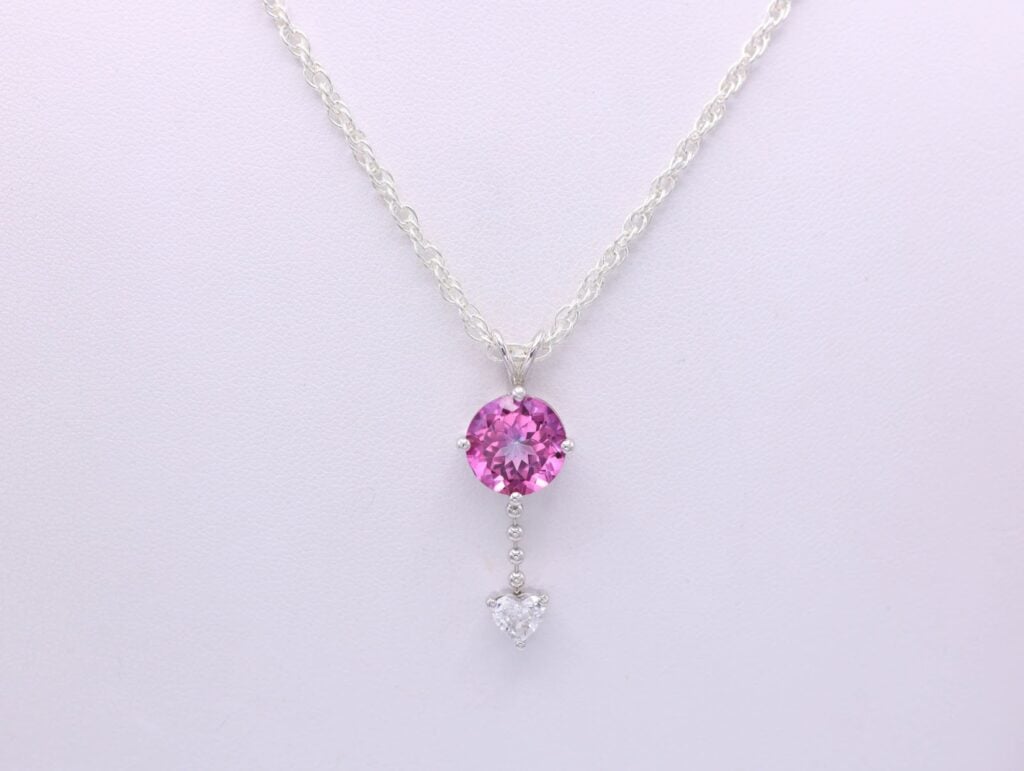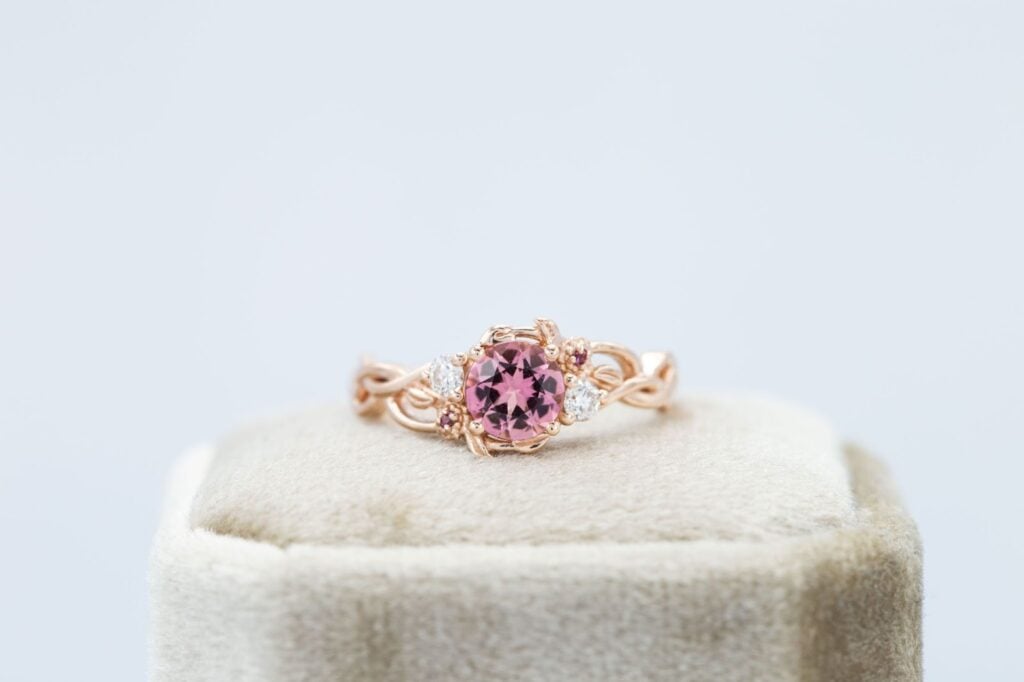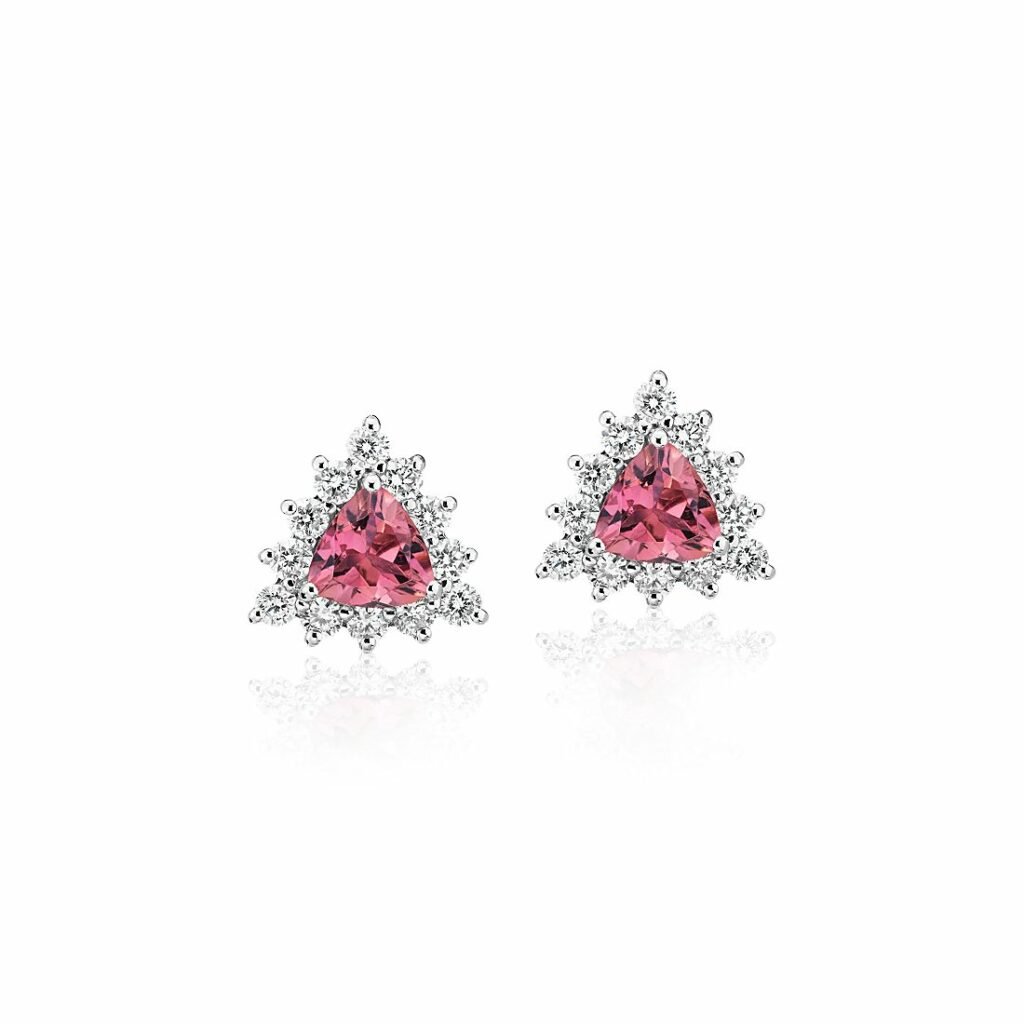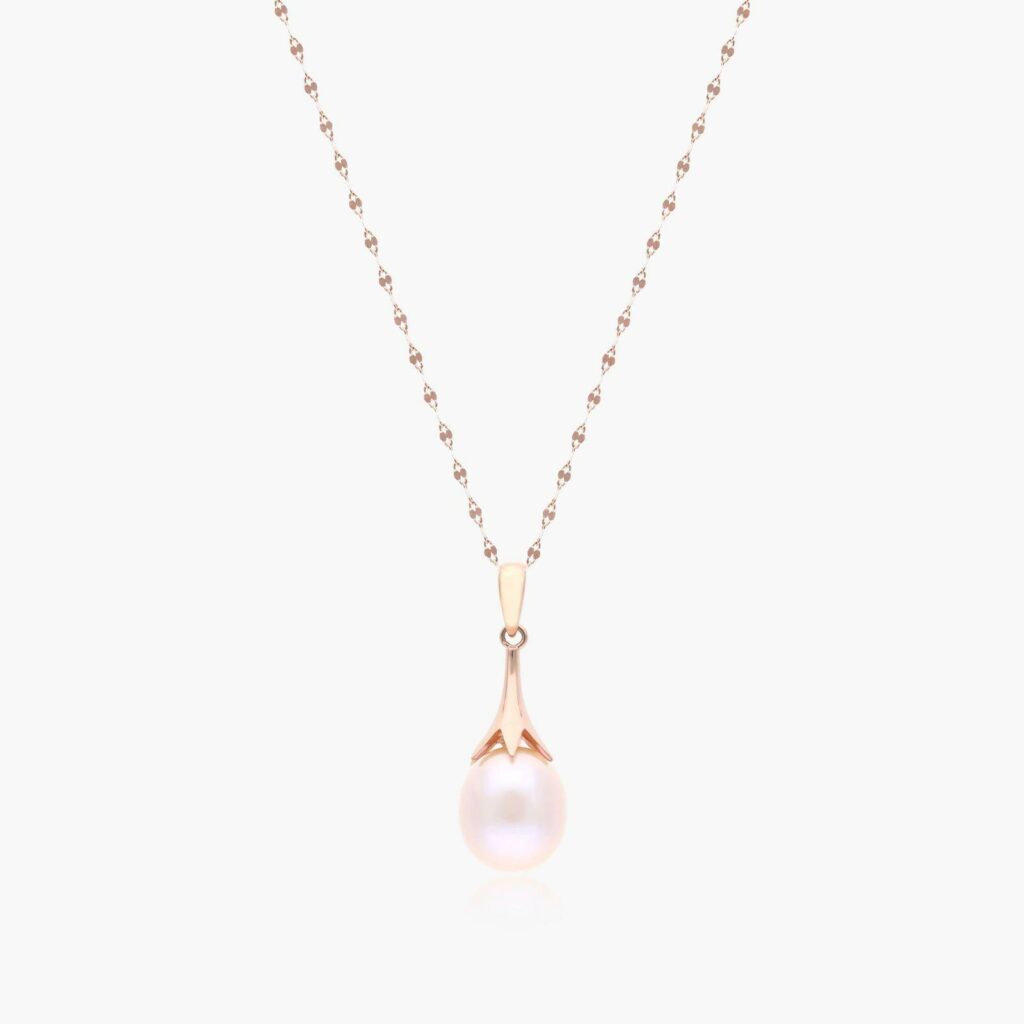
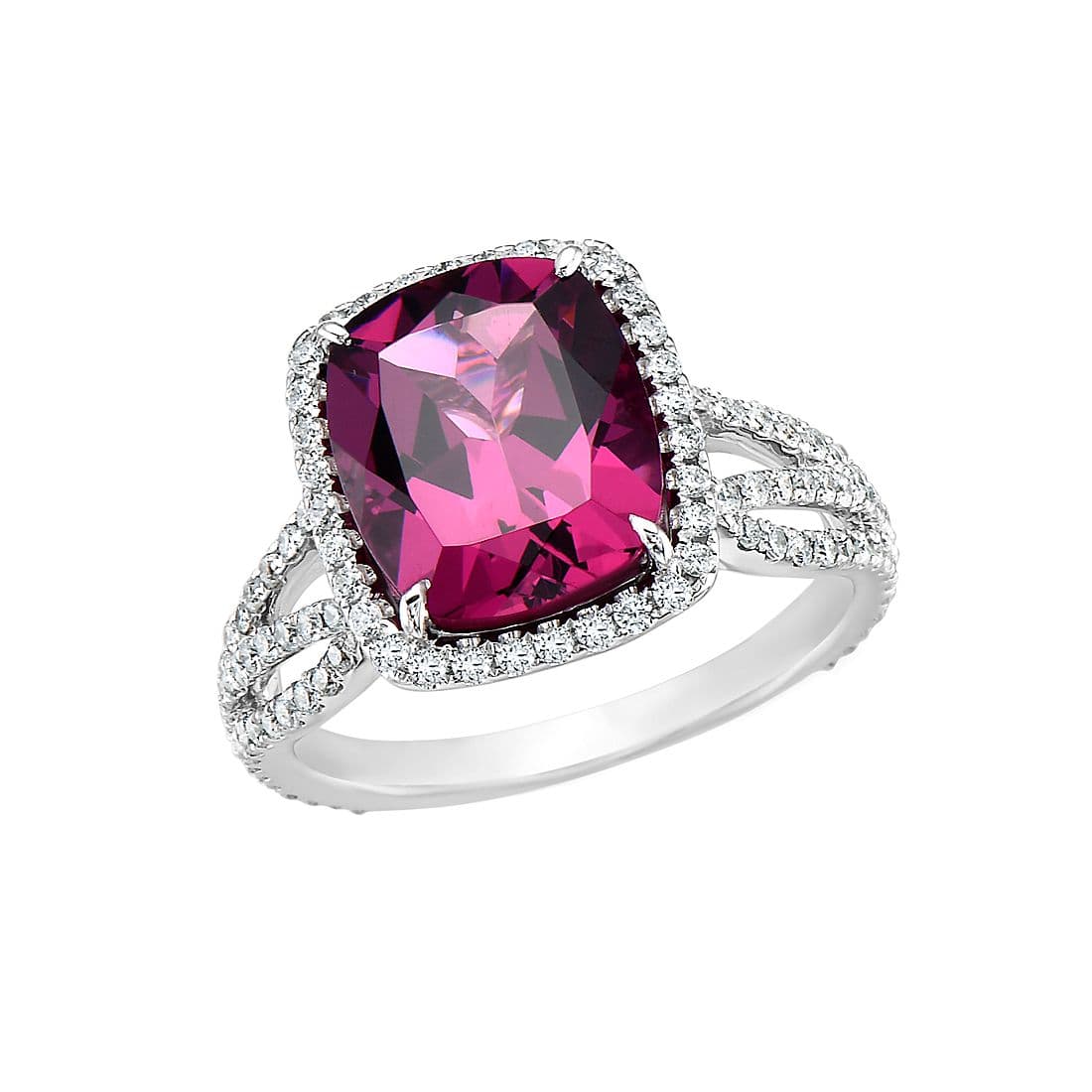
Discover 21 stunning pink gemstones , including diamond, morganite, and tourmaline. Learn hardness, rarity, and pricing for each pink gemstone variety to find the perfect option for your collection or jewelry.
15 Minute Read
Are you fascinated by the delicate beauty of pink gemstones? Pink colored gemstones have surged in popularity, particularly for engagement rings and statement jewelry pieces. This comprehensive guide explores 21 stunning pink gemstones across all price points and styles.
In this article, you'll discover:
There's a compelling reason why diamonds remain the worldwide favorite for engagement rings. Their incredible hardness makes them virtually impervious to scratches. In fact, diamonds are so hard their surfaces can only be scratched by other diamonds. Their combination of durability and abundance has earned them the distinction of being April's birthstone.
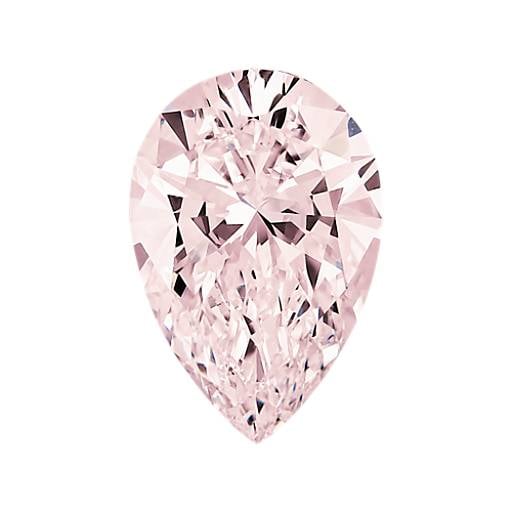
In nature, pink diamonds exhibit exceptional rarity compared to white diamonds, commanding some of the highest per-carat prices of any gemstone. However, if you desire the aesthetic without the premium cost, a synthetic diamond might be your ideal solution.
Consider these advantages of lab-created pink diamonds:
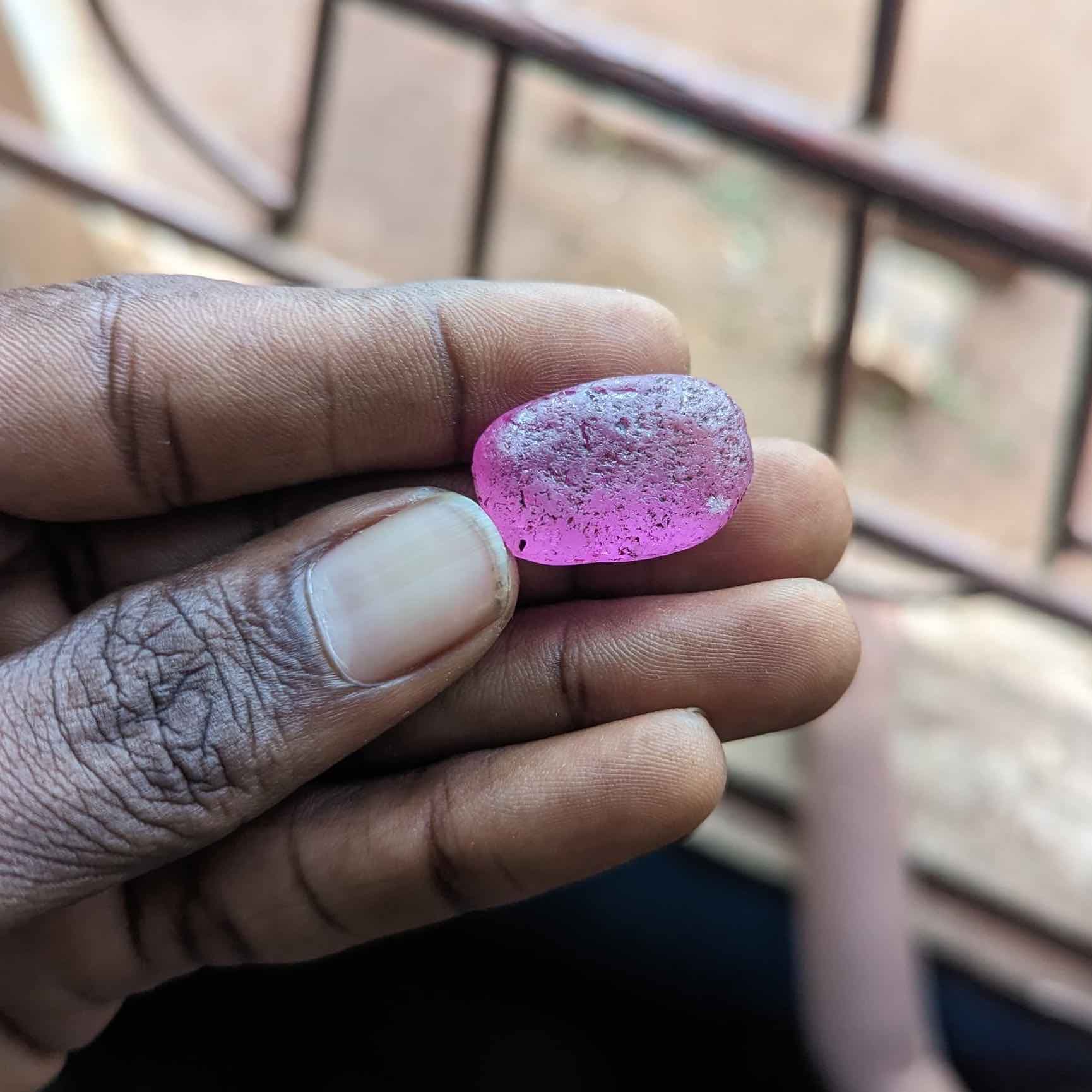
While diamonds reign supreme in hardness, corundum gems rank second among natural stones. Ruby is red corundum, but corundum in any other color, including pink, is classified as sapphire. Sapphires create exceptionally durable gemstones suitable for any jewelry type, especially engagement rings. Sapphires of all colors (not exclusively blue) are the September birthstone.
The color saturation of pink saturation ranges from delicate to intense, accommodating various preferences. Fortunately, corundum occurs abundantly worldwide, making pink sapphires the most commonly available pink gemstones on the market.
Pink sapphires offer several notable advantages:
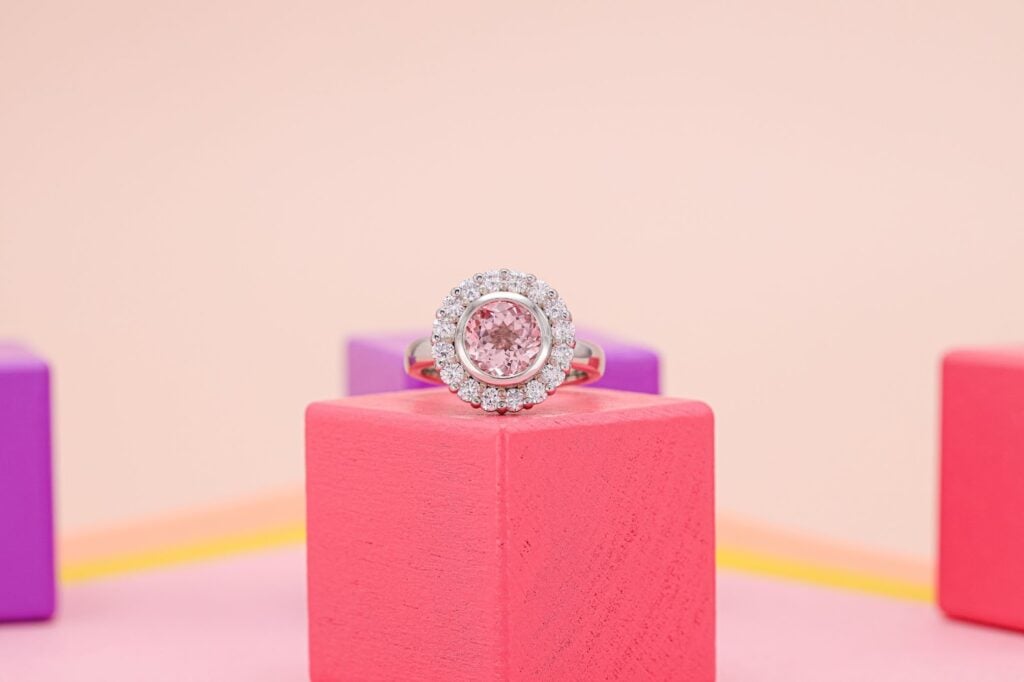
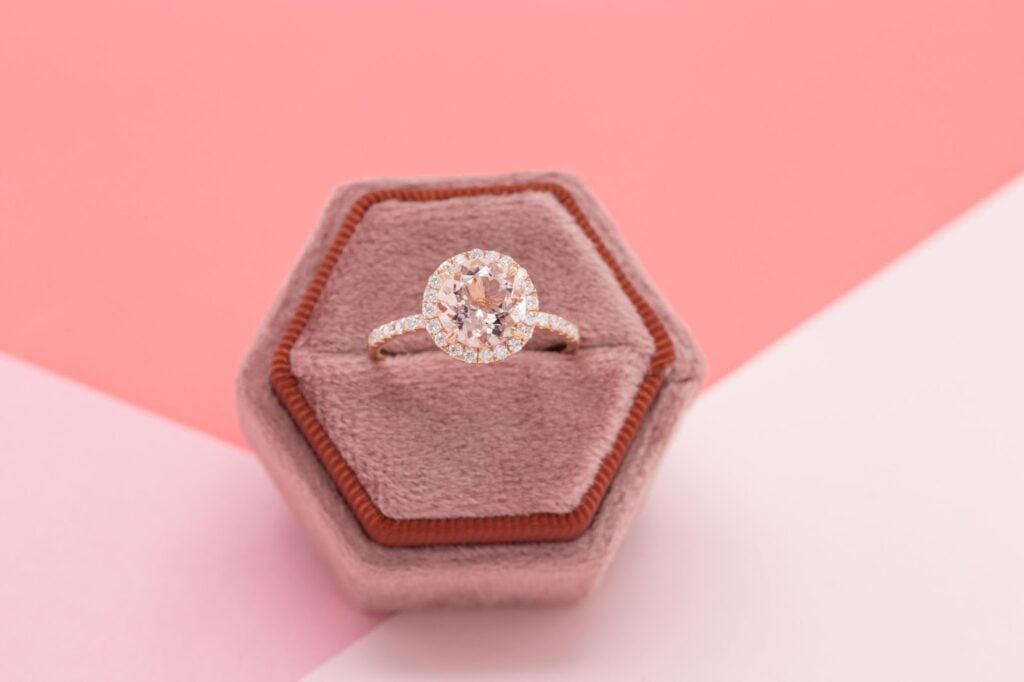
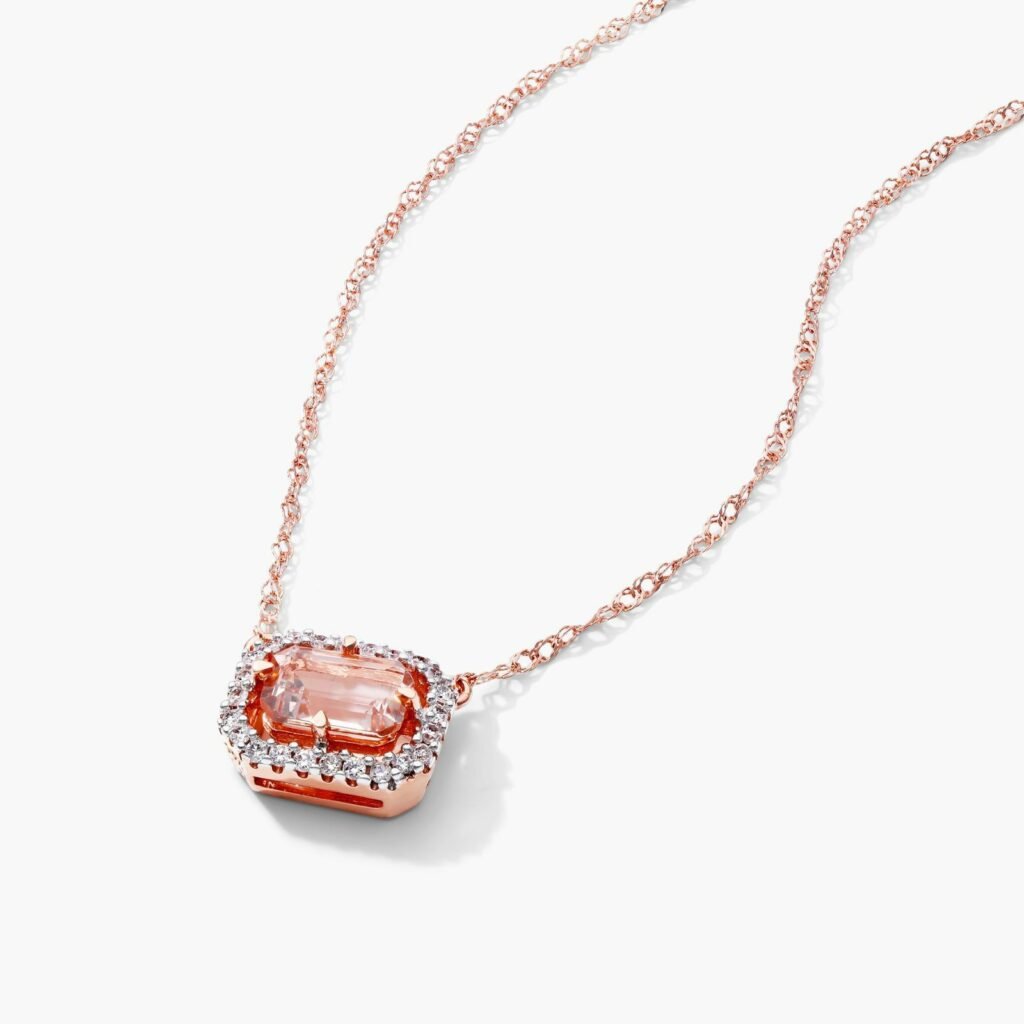
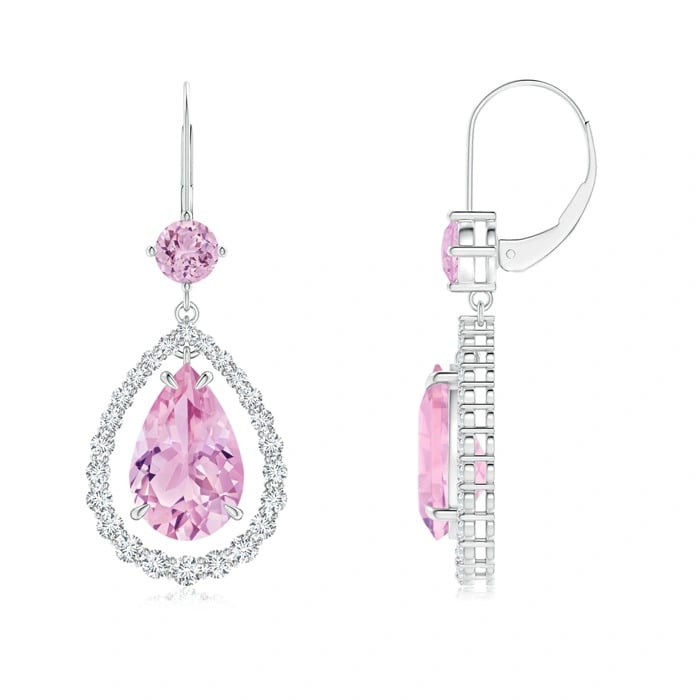
Morganite is the pink variety of the beryl gem family, which includes familiar gems like blue-green aquamarine and green emerald. Unlike emerald, morganite typically displays excellent clarity. These pink gemstones generally exhibit a delicate, pleasant color, sometimes with subtle orange undertones.
Morganite's color becomes more pronounced in larger stones. Fortunately, morganites frequently form in substantial sizes, allowing gem cutters to fashion distinctive designs from readily available crystals.
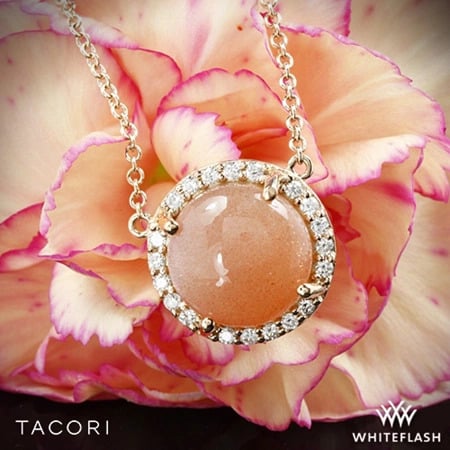
Most gem enthusiasts recognize colorless and white varieties of moonstone with their signature blue adularescence, a billowing optical effect within the gem. However, this alternative June birthstone can also display a pink body color. Labradorite, another member of the feldspar family, occasionally exhibits a predominant pink hue as well.
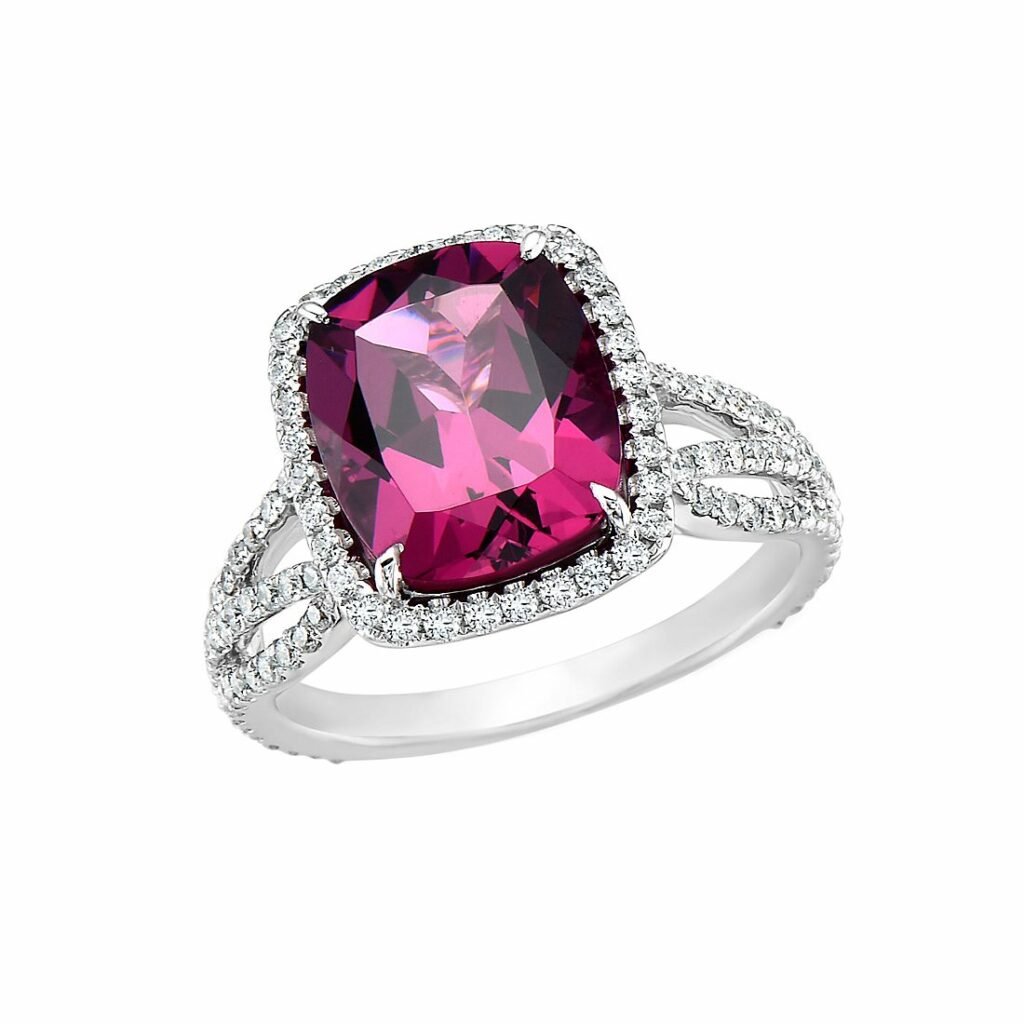
Many species and blends of garnet can present various body colors, including pink. Transparent pink garnets are commonly used in jewelry. Additionally, opaque or translucent hydrogrossular garnets may display a glowing pink color, often fashioned into beads or decorative carvings.
Pink garnets offer several advantages as jewelry stones:
It's no surprise that garnet, the traditional January birthstone, has been valued as a jewelry stone for thousands of years.
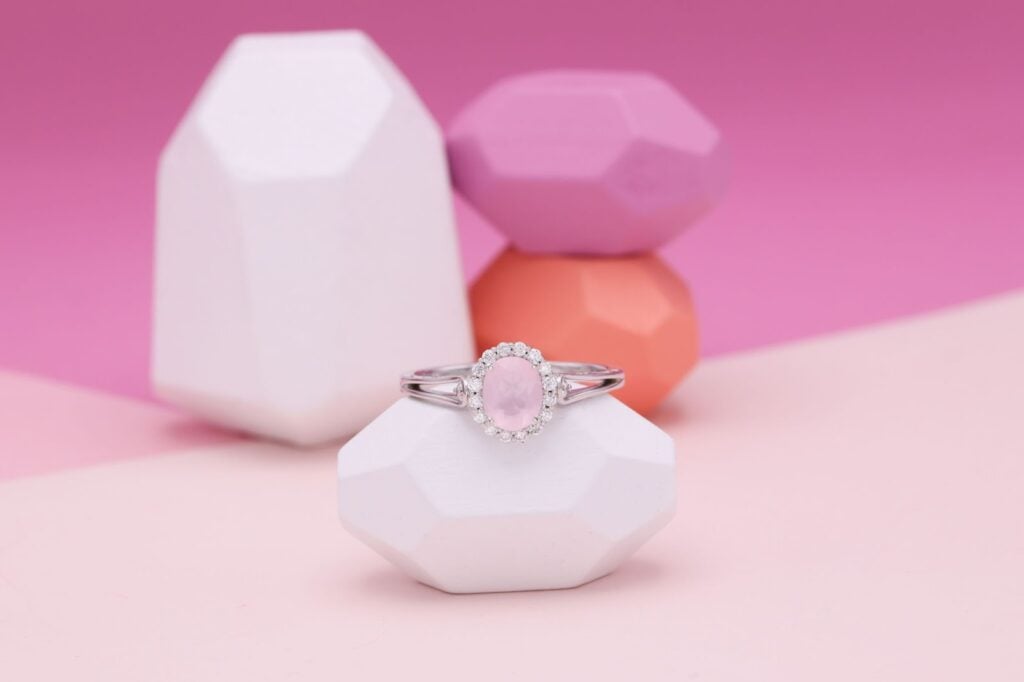
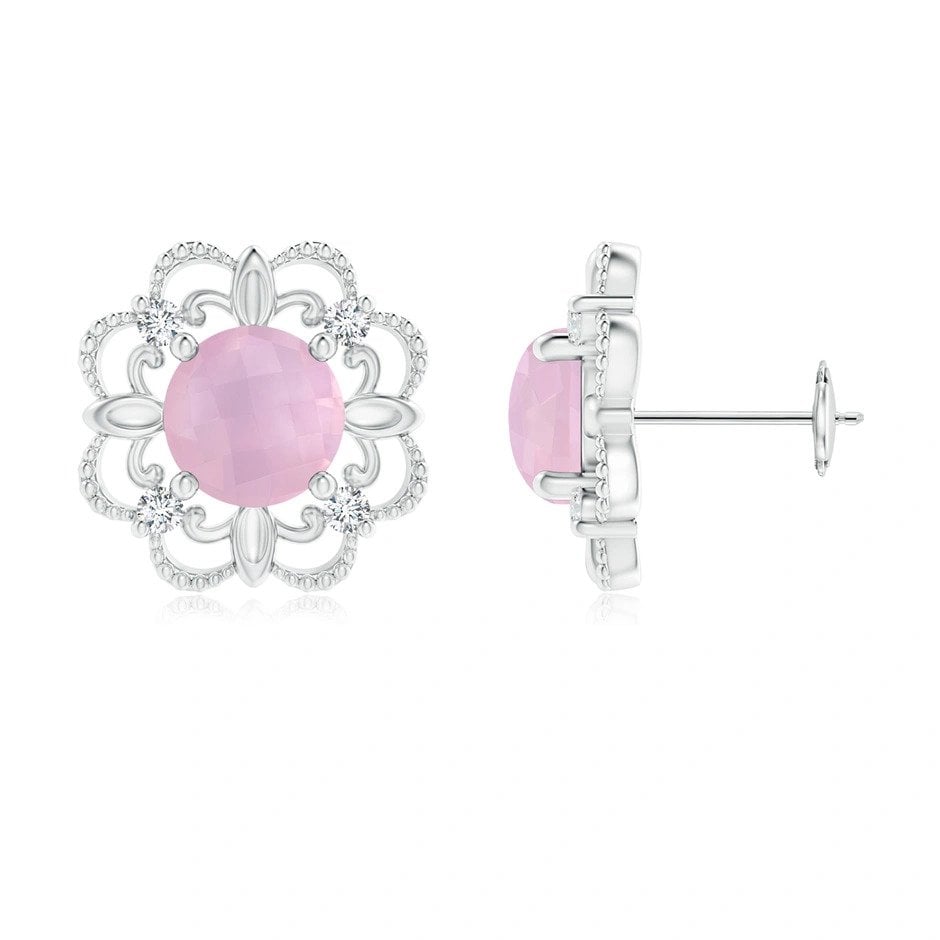
Quartz ranks among Earth's most abundant minerals. Rose quartz exhibits a gentle pink hue that never presents particularly dark tones or intense saturations.
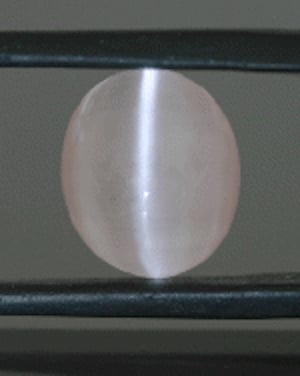
Inclusions create this soft coloration, giving the gem a slightly cloudy appearance. Rose quartz with perfectly aligned internal structures may display chatoyancy or a "cat's eye" effect. More commonly, these inclusions might produce asterism or a "star stone" effect on the surface.
Rose quartz typically forms in enormous crystals, making it suitable for both jewelry applications and large decorative carvings.
Although scapolite typically exhibits purple or violet body colors, pink specimens occasionally appear on the market. Scapolites occur in multiple locations and can display a cat's eye effect. Their appearance may overlap with other, more recognized pink gemstones.
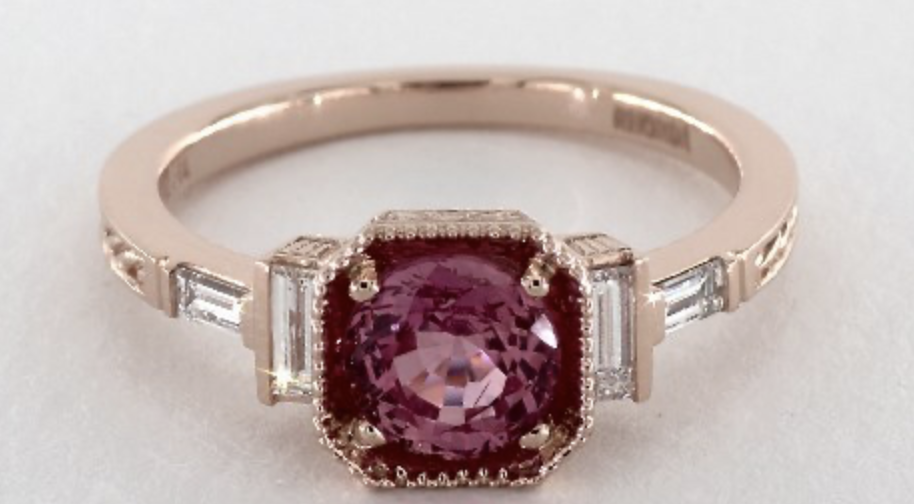
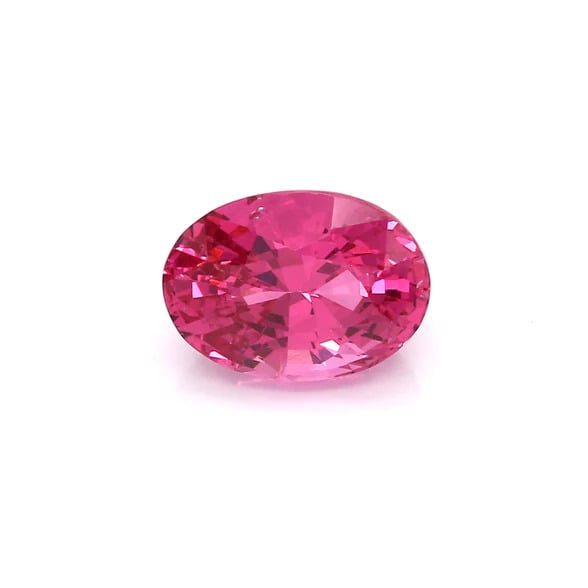
Like garnet, spinel is another readily available gemstone whose beauty rivals gems like sapphire, yet comes with a substantially lower per-carat price. Like scapolites, spinels may resemble other more familiar gemstones. Historically, it wasn't until the 1700s that gemologists identified spinel as an entirely different gem species than ruby.
Spinel crystals often grow in a flattened form, leading gem enthusiasts to value the color of this modern August birthstone more than its overall shape. This characteristic benefits those seeking custom-cut pink gemstones for their jewelry, as cutters typically don't fashion pink spinels to standardized sizes, allowing jewelers to leverage their unconventional outlines for unique pieces.
Blue topaz is famously one of the December birthstones. However, many people don't realize topaz comes in numerous attractive colors, including pink.
In fact, rare red and pink hues rank among the most valuable colors of topaz. This contrasts sharply with blue topaz, one of the market's least expensive gemstones. Abundant and durable, topaz has also earned recognition as a November birthstone.
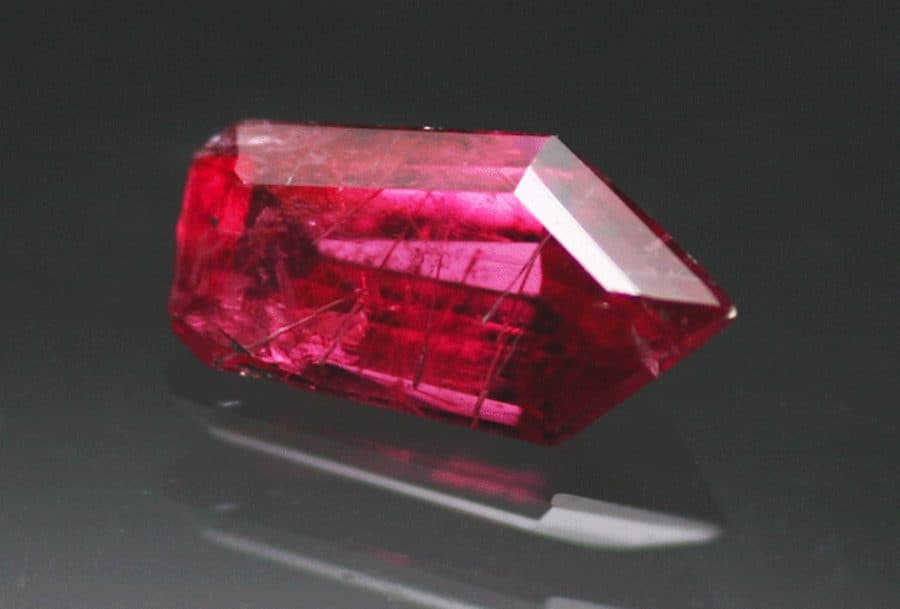
Tourmaline, the modern October birthstone, represents a relatively common pink gemstone readily available on the market. Tourmalines actually encompass many species, each displaying various colors. In tourmalines, pink colors may feature either orange or purple undertones. You might hear dealers refer to red and pink tourmaline as rubellite.
Pink tourmalines with saturated colors command the highest prices, though they appear noticeably dark. While good clarity is desirable, color depth is considered more important. Some specimens contain highly ordered inclusions creating an attractive cat's eye effect.
Large tourmalines are easily accessible, making them an excellent choice for those seeking impressively sized pink gemstones.
For those interested in unusual pink gemstones, consider watermelon tourmalines, which feature vibrant pink interiors surrounded by green outer layers.
Cultured freshwater pearls can exhibit various body colors, including pink. Akoya pearls typically have white or cream body colors but may display a pink overtone, referred to as "rosé" in the trade. Some Akoyas naturally show this overtone, while others receive mild red dye treatment to induce a pink hue.
With a hardness rating of only 2.5-3, pearls are relatively soft. This hardness level means the pearl's surface easily accumulates scratches. Consequently, jewelers frequently set these traditional June birthstones in necklaces and earrings rather than rings.
Apatite occurs in numerous locations, but its modest hardness of just 5 limits its jewelry applications. Therefore, any apatite jewelry requires careful wearing and storage. Apatite ring stones should have protective settings to prevent damage.
Interestingly, tiny apatite crystals frequently form inside other gemstones, including sapphires, garnets, and emeralds.
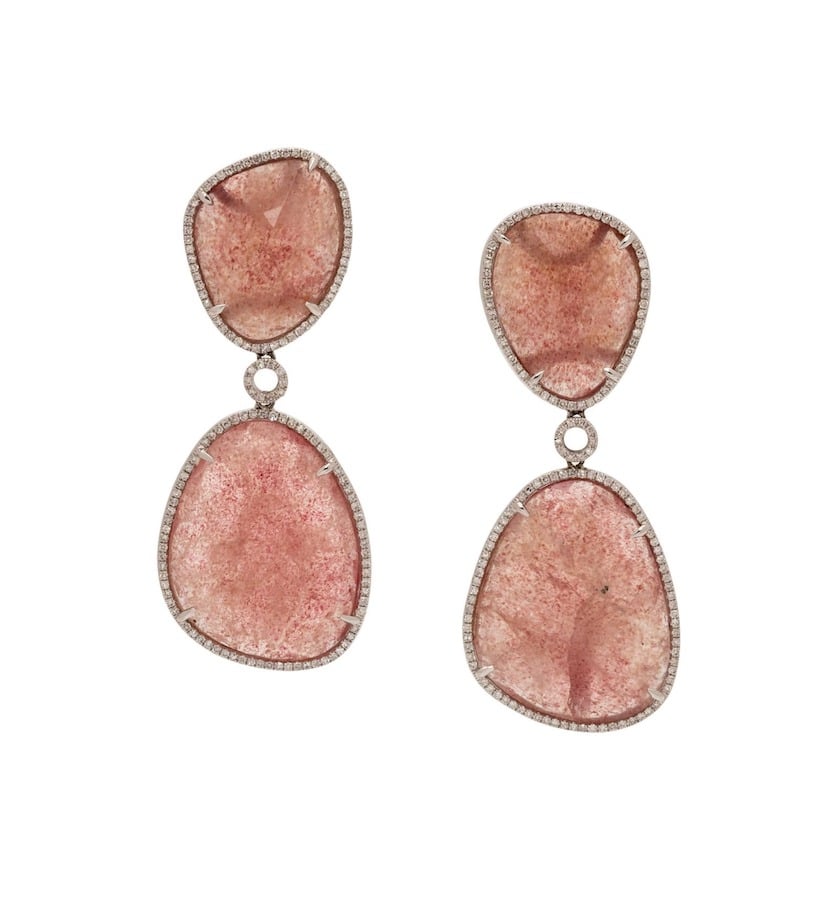
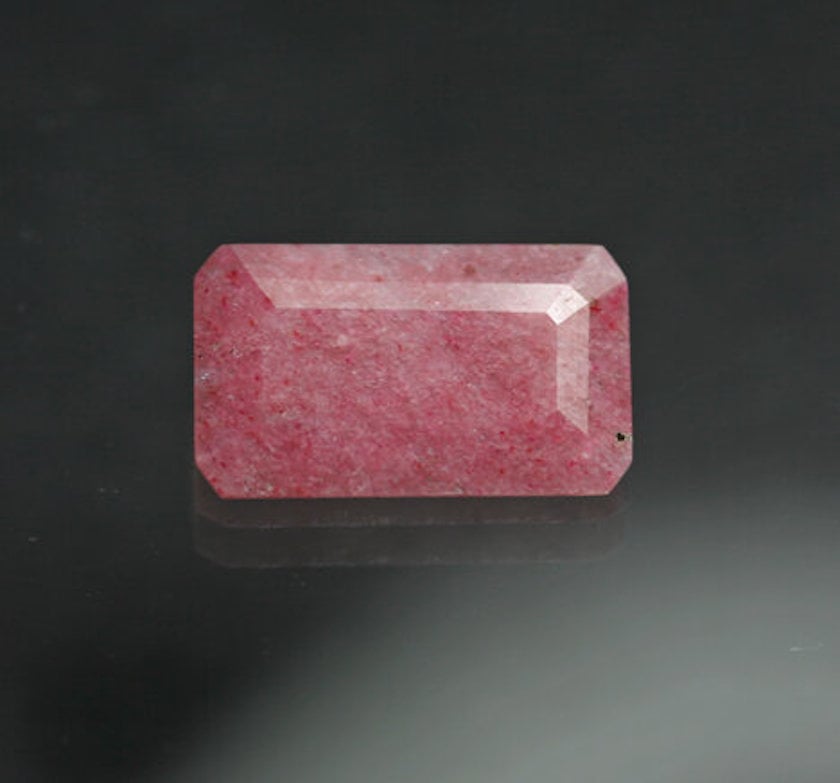
The aventurine variety of quartzite, a lapidary stone containing tiny quartz grains, occasionally displays a pink color. Inclusions cause this coloration, resulting in translucent rather than transparent gems. This material sometimes bears the name "strawberry quartz." Aventurine can grow extremely large, allowing cutters to fashion substantial pieces from it, including aventurine bangles cut from single rock specimens.
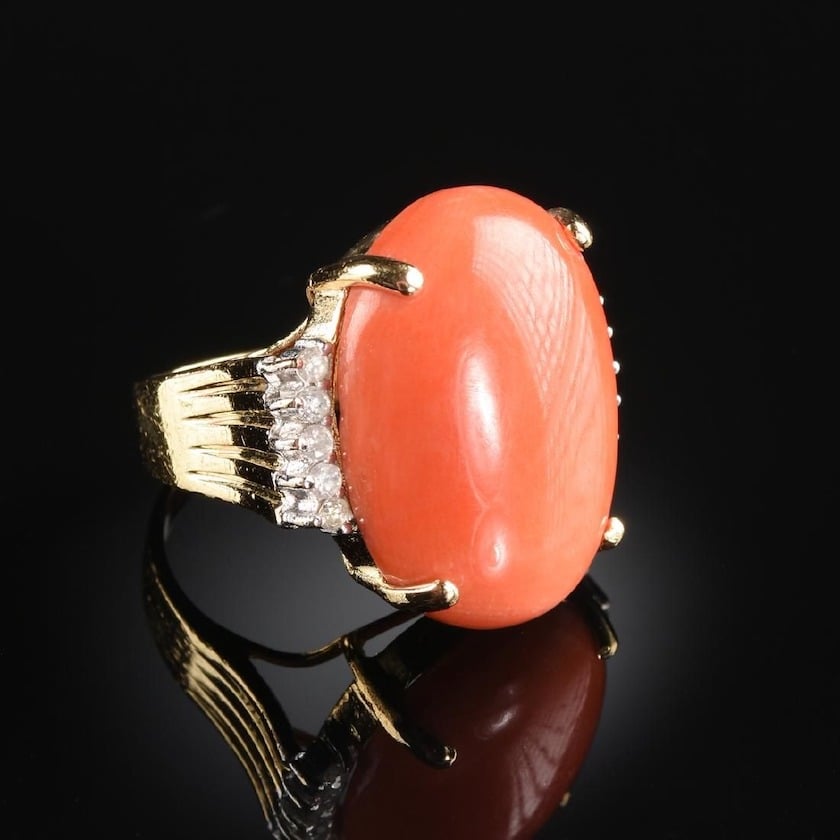
Coral frequently grows in pink shades, but finding it for sale may prove challenging. Protective laws and regulations safeguard the fragile reefs they originate from. Those seeking coral jewelry should explore vintage stores and estate sales for ethical options.
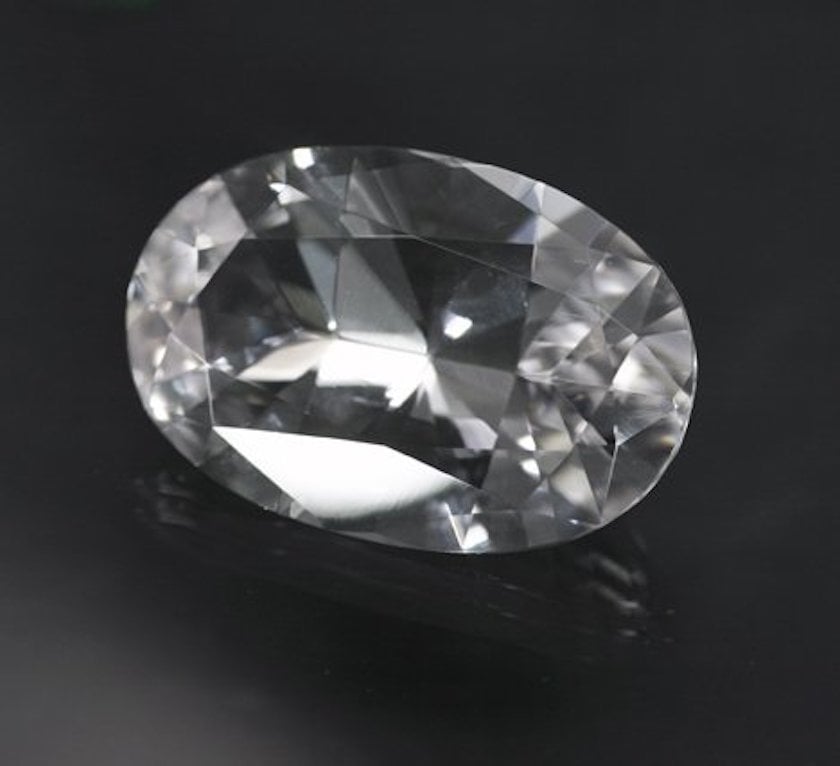
Named after Danbury, Connecticut, danburite occasionally displays a pale pink coloration. It offers reasonable hardness, making it suitable for jewelry applications. However, colorless danburite generally commands higher value than colored varieties. Some danburite specimens may also exhibit cat's eye effects.
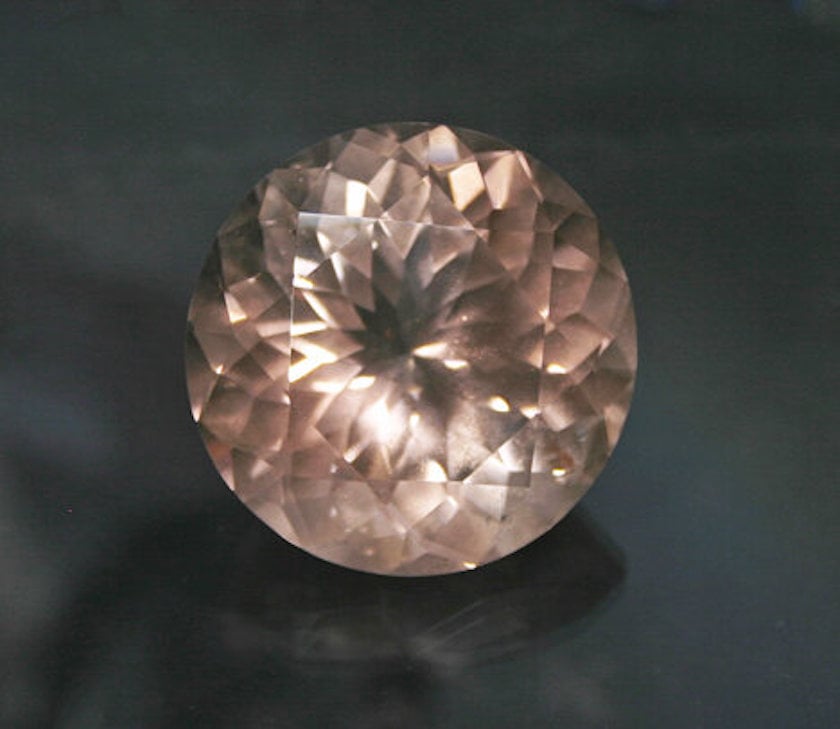
Pink represents just one of many colors that fluorite can exhibit. Although the color tends toward lighter shades and crystals can grow quite large, fluorite's fragility makes it unsuitable for most jewelry types. With a low hardness of 4 and a tendency to cleave in four different directions, it breaks easily.
You might encounter fluorites used as beads, carvings, or raw crystal pendants. However, you'll rarely find many fluorites when shopping for jewelry stones.
Some pearl-like gems composed of organic calcareous concretions and various shells can display pink and orangey-pink colors. Although not pearls in the strict sense, these materials are quite rare and may be highly valued by collectors.
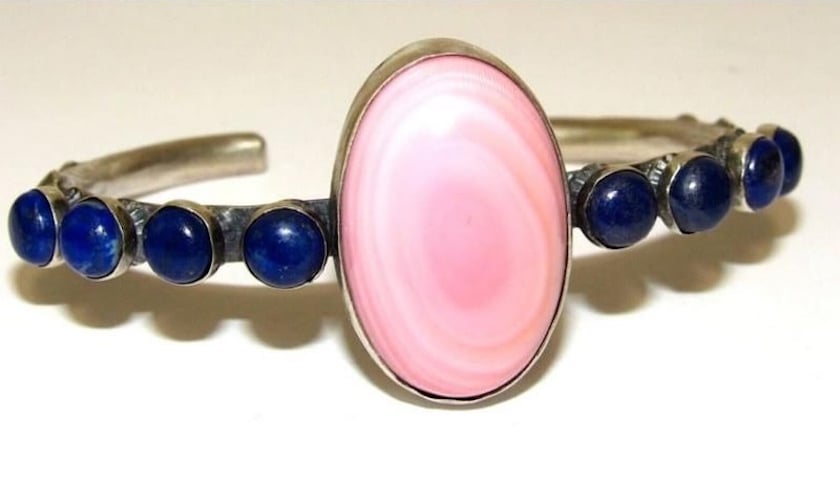
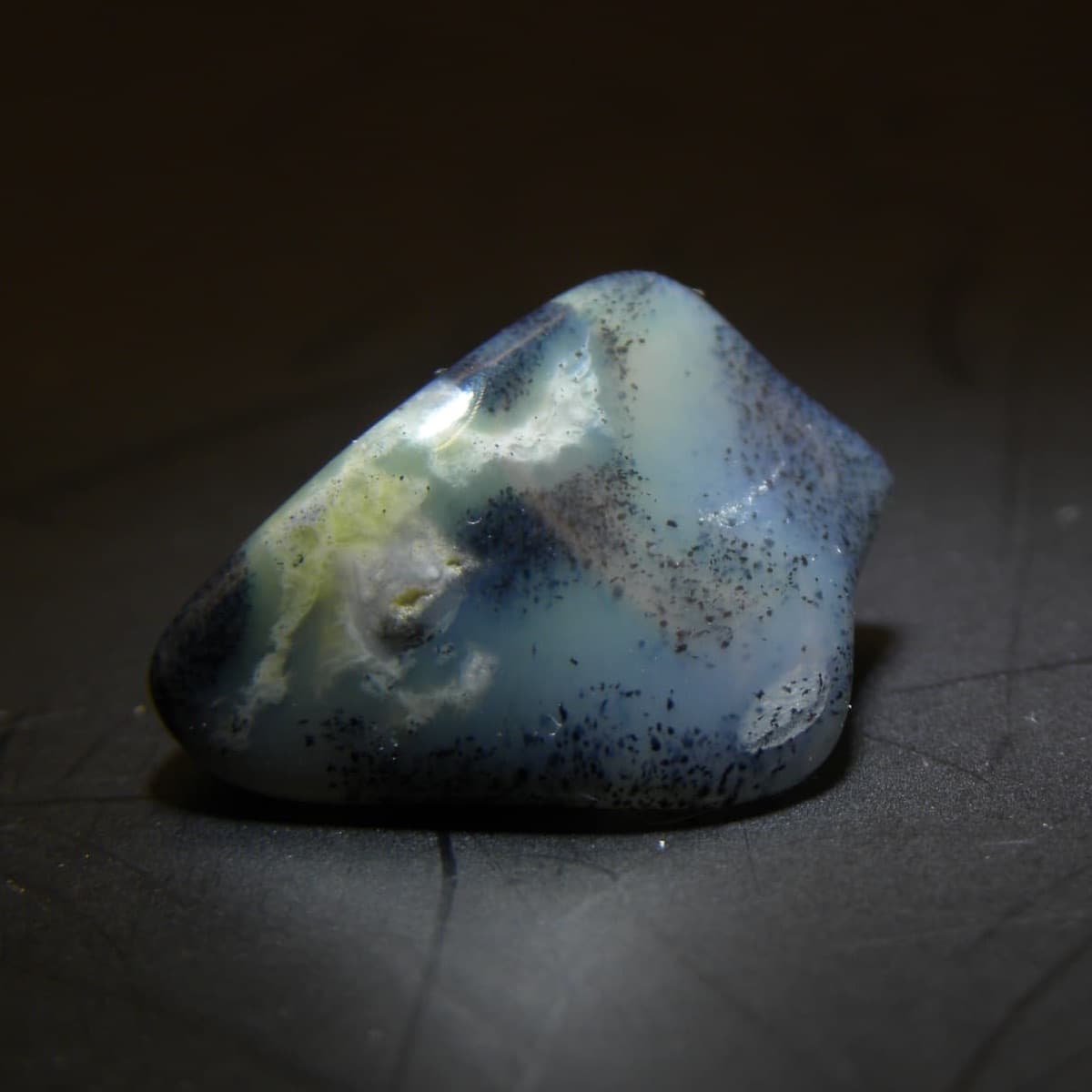
Pink opals represent an exceptionally rare variety of the popular October birthstone. These specimens belong to the "common opals" subgroup, which don't exhibit opal's famous play-of-color effect. Instead, pink opals appear opaque.
All opals are relatively soft gems, with a hardness rating of 5.5-6. They also remain vulnerable to drying out in arid environments and require special care when stored.
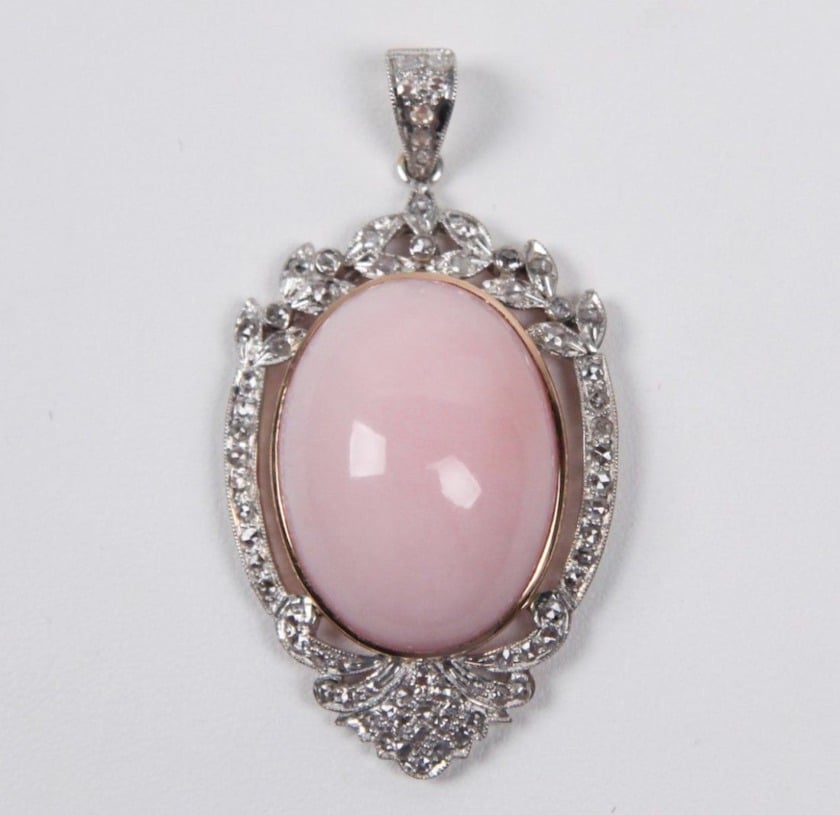
Usually opaque to translucent, rhodochrosite presents red to pink colors with saturation ranging from pale to intense. Unfortunately, rhodochrosite has a very low hardness rating of 3.5-4.5, limiting its durability. Transparent rhodochrosite specimens are exceptionally rare.
Opaque rhodochrosite can develop a distinctive pale pink-and-white pattern known as "bacon strip" due to its resemblance to the food item.
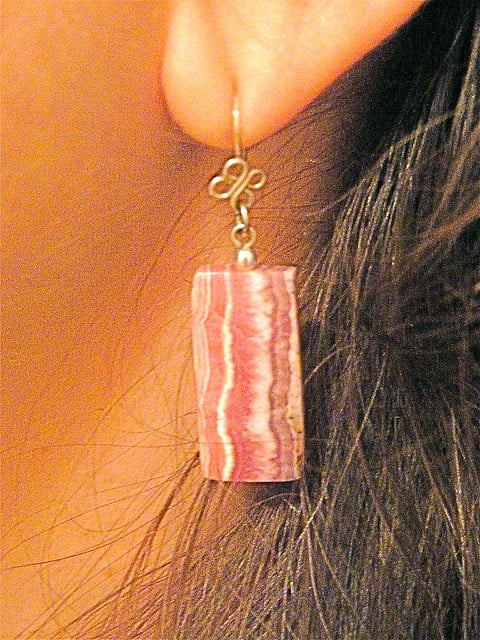
Rhodonite is a collector's gem that can appear pink as well as red. Transparent specimens are rare and can be deeply saturated. Translucent and opaque examples frequently feature black veins or splotches. Rhodonite is commonly carved into beads for jewelry applications.
Rhodonite is a collector's gem that can be pink as well as red. Transparent gems are rare and can be deeply saturated. Translucent and opaque gems will frequently have black veins or splotches. You may see rhodonite carved into beads.
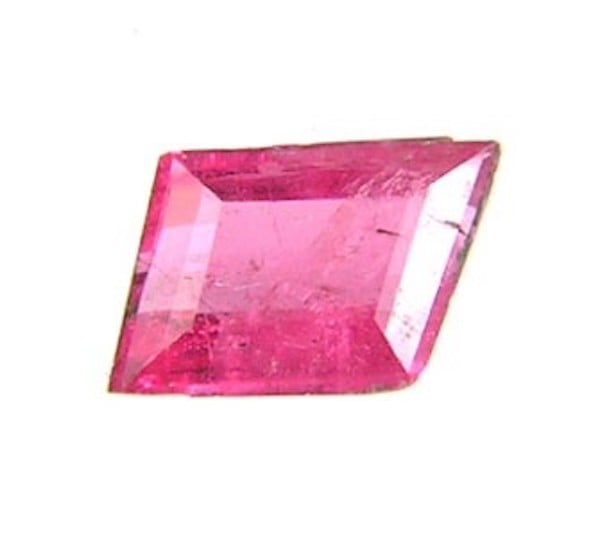
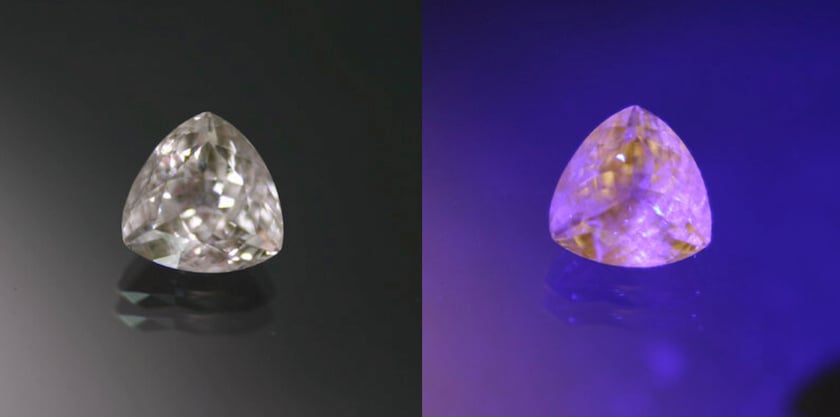
Kunzite, the most popular variety of the spodumene family, is a beautiful gem with pink to purple coloration and delicate to bold saturation. Since kunzite occurs in only a few locations, such as California, some collectors value the raw crystals over faceted kunzites.
These gems are notoriously difficult to cut. As a result, you'll rarely encounter faceted kunzites on the market.
While most gem buyers may be unfamiliar with kunzite stone, several famous jewelers, including Paloma Picasso, have prominently featured it in their work. However, kunzite's pink color fades with excessive heat or light exposure. These gems should be reserved for occasional evening wear and always stored in cool, dark conditions.
Blue to violet tanzanite represents the most famous zoisite gemstone. Thulite, Norway's national gemstone, is an opaque pink variety of zoisite that frequently features gray or white mottling. Like many other non-transparent gems, thulite is typically fashioned into beads. Some incorrectly refer to thulite as "pink tanzanite."
Natural pink diamonds are among the rarest pink gemstones in the world. Unlike white diamonds which are relatively abundant, pink diamonds are incredibly scarce in nature, which explains why they command some of the highest price-per-carat values of any gemstone on the market.
Pink diamonds and pink sapphires are the most durable pink gemstones, making them excellent choices for everyday jewelry like engagement rings. Diamonds rank highest in hardness (10 on the Mohs scale), while sapphires rank second (9 on the Mohs scale). Pink topaz, morganite, and pink tourmaline also offer good durability for regular wear.
Yes, there are several affordable alternatives to natural pink diamonds:
Several pink gemstones have lower hardness ratings that make them unsuitable for everyday ring wear:
These softer stones are better suited for pendants, earrings, or occasional-wear jewelry.
The pink color in gemstones comes from various causes depending on the gem type. In many cases, such as rose quartz, inclusions create the soft pink coloration. In other stones, trace elements or color centers in the crystal structure produce the pink hue. Each pink gemstone gets its characteristic color through specific geological processes.
Several pink gemstones can display interesting optical phenomena:
Lab-created pink gemstones like synthetic diamonds and synthetic sapphires have identical physical and chemical properties as their natural counterparts. The only difference is they were grown in controlled laboratory environments rather than formed naturally in the earth. They are real gemstones, just with a different origin.
Some pink gemstones need particular attention:
Since protective laws and regulations safeguard coral reefs, finding new pink coral jewelry can be challenging. For ethical pink coral options, explore vintage stores and estate sales where you can purchase previously harvested coral pieces rather than contributing to new coral harvesting.
Watermelon tourmaline is a unique variety of pink tourmaline that features a vibrant pink interior surrounded by a green outer layer, resembling the color pattern of a watermelon slice. These distinctive stones make interesting conversation pieces in jewelry collections.

When you join the IGS community, you get trusted diamond & gemstone information when you need it.
Are you fascinated by the delicate beauty of pink gemstones? Pink colored gemstones have surged in popularity, particularly for engagement rings and statement jewelry pieces. This comprehensive guide explores 21 stunning pink gemstones across all price points and styles.
In this article, you'll discover:
There's a compelling reason why diamonds remain the worldwide favorite for engagement rings. Their incredible hardness makes them virtually impervious to scratches. In fact, diamonds are so hard their surfaces can only be scratched by other diamonds. Their combination of durability and abundance has earned them the distinction of being April's birthstone.
In nature, pink diamonds exhibit exceptional rarity compared to white diamonds, commanding some of the highest per-carat prices of any gemstone. However, if you desire the aesthetic without the premium cost, a synthetic diamond might be your ideal solution.
Consider these advantages of lab-created pink diamonds:
While diamonds reign supreme in hardness, corundum gems rank second among natural stones. Ruby is red corundum, but corundum in any other color, including pink, is classified as sapphire. Sapphires create exceptionally durable gemstones suitable for any jewelry type, especially engagement rings. Sapphires of all colors (not exclusively blue) are the September birthstone.
The color saturation of pink saturation ranges from delicate to intense, accommodating various preferences. Fortunately, corundum occurs abundantly worldwide, making pink sapphires the most commonly available pink gemstones on the market.
Pink sapphires offer several notable advantages:
Morganite is the pink variety of the beryl gem family, which includes familiar gems like blue-green aquamarine and green emerald. Unlike emerald, morganite typically displays excellent clarity. These pink gemstones generally exhibit a delicate, pleasant color, sometimes with subtle orange undertones.
Morganite's color becomes more pronounced in larger stones. Fortunately, morganites frequently form in substantial sizes, allowing gem cutters to fashion distinctive designs from readily available crystals.
Most gem enthusiasts recognize colorless and white varieties of moonstone with their signature blue adularescence, a billowing optical effect within the gem. However, this alternative June birthstone can also display a pink body color. Labradorite, another member of the feldspar family, occasionally exhibits a predominant pink hue as well.
Many species and blends of garnet can present various body colors, including pink. Transparent pink garnets are commonly used in jewelry. Additionally, opaque or translucent hydrogrossular garnets may display a glowing pink color, often fashioned into beads or decorative carvings.
Pink garnets offer several advantages as jewelry stones:
It's no surprise that garnet, the traditional January birthstone, has been valued as a jewelry stone for thousands of years.
Quartz ranks among Earth's most abundant minerals. Rose quartz exhibits a gentle pink hue that never presents particularly dark tones or intense saturations.
Inclusions create this soft coloration, giving the gem a slightly cloudy appearance. Rose quartz with perfectly aligned internal structures may display chatoyancy or a "cat's eye" effect. More commonly, these inclusions might produce asterism or a "star stone" effect on the surface.
Rose quartz typically forms in enormous crystals, making it suitable for both jewelry applications and large decorative carvings.
Although scapolite typically exhibits purple or violet body colors, pink specimens occasionally appear on the market. Scapolites occur in multiple locations and can display a cat's eye effect. Their appearance may overlap with other, more recognized pink gemstones.
Like garnet, spinel is another readily available gemstone whose beauty rivals gems like sapphire, yet comes with a substantially lower per-carat price. Like scapolites, spinels may resemble other more familiar gemstones. Historically, it wasn't until the 1700s that gemologists identified spinel as an entirely different gem species than ruby.
Spinel crystals often grow in a flattened form, leading gem enthusiasts to value the color of this modern August birthstone more than its overall shape. This characteristic benefits those seeking custom-cut pink gemstones for their jewelry, as cutters typically don't fashion pink spinels to standardized sizes, allowing jewelers to leverage their unconventional outlines for unique pieces.
Blue topaz is famously one of the December birthstones. However, many people don't realize topaz comes in numerous attractive colors, including pink.
In fact, rare red and pink hues rank among the most valuable colors of topaz. This contrasts sharply with blue topaz, one of the market's least expensive gemstones. Abundant and durable, topaz has also earned recognition as a November birthstone.
Tourmaline, the modern October birthstone, represents a relatively common pink gemstone readily available on the market. Tourmalines actually encompass many species, each displaying various colors. In tourmalines, pink colors may feature either orange or purple undertones. You might hear dealers refer to red and pink tourmaline as rubellite.
Pink tourmalines with saturated colors command the highest prices, though they appear noticeably dark. While good clarity is desirable, color depth is considered more important. Some specimens contain highly ordered inclusions creating an attractive cat's eye effect.
Large tourmalines are easily accessible, making them an excellent choice for those seeking impressively sized pink gemstones.
For those interested in unusual pink gemstones, consider watermelon tourmalines, which feature vibrant pink interiors surrounded by green outer layers.
Cultured freshwater pearls can exhibit various body colors, including pink. Akoya pearls typically have white or cream body colors but may display a pink overtone, referred to as "rosé" in the trade. Some Akoyas naturally show this overtone, while others receive mild red dye treatment to induce a pink hue.
With a hardness rating of only 2.5-3, pearls are relatively soft. This hardness level means the pearl's surface easily accumulates scratches. Consequently, jewelers frequently set these traditional June birthstones in necklaces and earrings rather than rings.
Apatite occurs in numerous locations, but its modest hardness of just 5 limits its jewelry applications. Therefore, any apatite jewelry requires careful wearing and storage. Apatite ring stones should have protective settings to prevent damage.
Interestingly, tiny apatite crystals frequently form inside other gemstones, including sapphires, garnets, and emeralds.
The aventurine variety of quartzite, a lapidary stone containing tiny quartz grains, occasionally displays a pink color. Inclusions cause this coloration, resulting in translucent rather than transparent gems. This material sometimes bears the name "strawberry quartz." Aventurine can grow extremely large, allowing cutters to fashion substantial pieces from it, including aventurine bangles cut from single rock specimens.
Coral frequently grows in pink shades, but finding it for sale may prove challenging. Protective laws and regulations safeguard the fragile reefs they originate from. Those seeking coral jewelry should explore vintage stores and estate sales for ethical options.
Named after Danbury, Connecticut, danburite occasionally displays a pale pink coloration. It offers reasonable hardness, making it suitable for jewelry applications. However, colorless danburite generally commands higher value than colored varieties. Some danburite specimens may also exhibit cat's eye effects.
Pink represents just one of many colors that fluorite can exhibit. Although the color tends toward lighter shades and crystals can grow quite large, fluorite's fragility makes it unsuitable for most jewelry types. With a low hardness of 4 and a tendency to cleave in four different directions, it breaks easily.
You might encounter fluorites used as beads, carvings, or raw crystal pendants. However, you'll rarely find many fluorites when shopping for jewelry stones.
Some pearl-like gems composed of organic calcareous concretions and various shells can display pink and orangey-pink colors. Although not pearls in the strict sense, these materials are quite rare and may be highly valued by collectors.
Pink opals represent an exceptionally rare variety of the popular October birthstone. These specimens belong to the "common opals" subgroup, which don't exhibit opal's famous play-of-color effect. Instead, pink opals appear opaque.
All opals are relatively soft gems, with a hardness rating of 5.5-6. They also remain vulnerable to drying out in arid environments and require special care when stored.
Usually opaque to translucent, rhodochrosite presents red to pink colors with saturation ranging from pale to intense. Unfortunately, rhodochrosite has a very low hardness rating of 3.5-4.5, limiting its durability. Transparent rhodochrosite specimens are exceptionally rare.
Opaque rhodochrosite can develop a distinctive pale pink-and-white pattern known as "bacon strip" due to its resemblance to the food item.
Rhodonite is a collector's gem that can appear pink as well as red. Transparent specimens are rare and can be deeply saturated. Translucent and opaque examples frequently feature black veins or splotches. Rhodonite is commonly carved into beads for jewelry applications.
Rhodonite is a collector's gem that can be pink as well as red. Transparent gems are rare and can be deeply saturated. Translucent and opaque gems will frequently have black veins or splotches. You may see rhodonite carved into beads.
Kunzite, the most popular variety of the spodumene family, is a beautiful gem with pink to purple coloration and delicate to bold saturation. Since kunzite occurs in only a few locations, such as California, some collectors value the raw crystals over faceted kunzites.
These gems are notoriously difficult to cut. As a result, you'll rarely encounter faceted kunzites on the market.
While most gem buyers may be unfamiliar with kunzite stone, several famous jewelers, including Paloma Picasso, have prominently featured it in their work. However, kunzite's pink color fades with excessive heat or light exposure. These gems should be reserved for occasional evening wear and always stored in cool, dark conditions.
Blue to violet tanzanite represents the most famous zoisite gemstone. Thulite, Norway's national gemstone, is an opaque pink variety of zoisite that frequently features gray or white mottling. Like many other non-transparent gems, thulite is typically fashioned into beads. Some incorrectly refer to thulite as "pink tanzanite."
Natural pink diamonds are among the rarest pink gemstones in the world. Unlike white diamonds which are relatively abundant, pink diamonds are incredibly scarce in nature, which explains why they command some of the highest price-per-carat values of any gemstone on the market.
Pink diamonds and pink sapphires are the most durable pink gemstones, making them excellent choices for everyday jewelry like engagement rings. Diamonds rank highest in hardness (10 on the Mohs scale), while sapphires rank second (9 on the Mohs scale). Pink topaz, morganite, and pink tourmaline also offer good durability for regular wear.
Yes, there are several affordable alternatives to natural pink diamonds:
Several pink gemstones have lower hardness ratings that make them unsuitable for everyday ring wear:
These softer stones are better suited for pendants, earrings, or occasional-wear jewelry.
The pink color in gemstones comes from various causes depending on the gem type. In many cases, such as rose quartz, inclusions create the soft pink coloration. In other stones, trace elements or color centers in the crystal structure produce the pink hue. Each pink gemstone gets its characteristic color through specific geological processes.
Several pink gemstones can display interesting optical phenomena:
Lab-created pink gemstones like synthetic diamonds and synthetic sapphires have identical physical and chemical properties as their natural counterparts. The only difference is they were grown in controlled laboratory environments rather than formed naturally in the earth. They are real gemstones, just with a different origin.
Some pink gemstones need particular attention:
Since protective laws and regulations safeguard coral reefs, finding new pink coral jewelry can be challenging. For ethical pink coral options, explore vintage stores and estate sales where you can purchase previously harvested coral pieces rather than contributing to new coral harvesting.
Watermelon tourmaline is a unique variety of pink tourmaline that features a vibrant pink interior surrounded by a green outer layer, resembling the color pattern of a watermelon slice. These distinctive stones make interesting conversation pieces in jewelry collections.