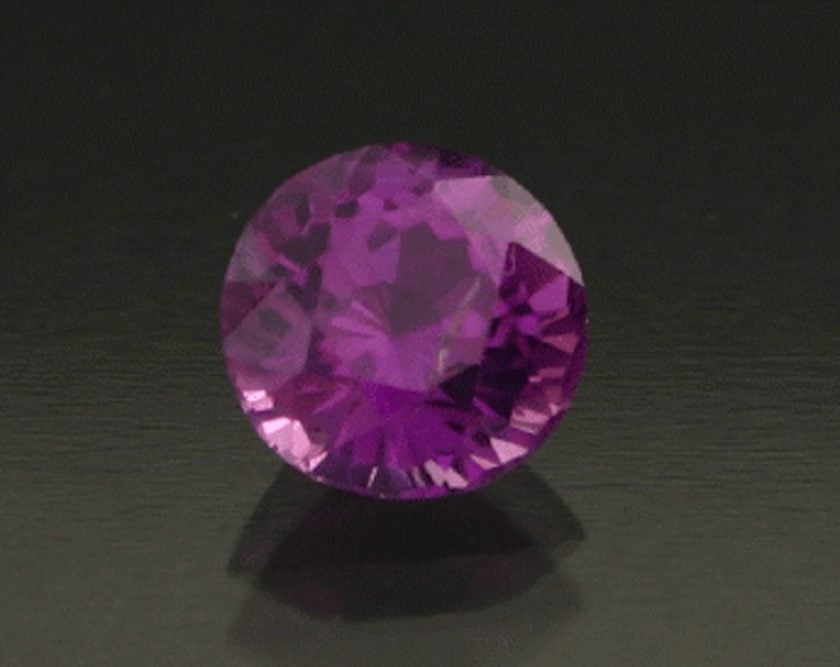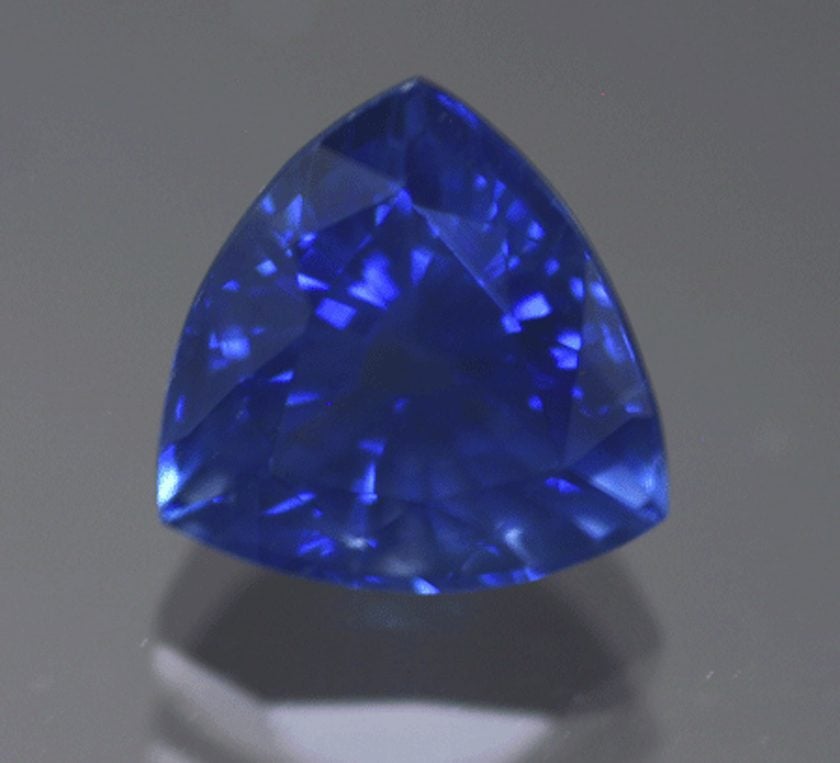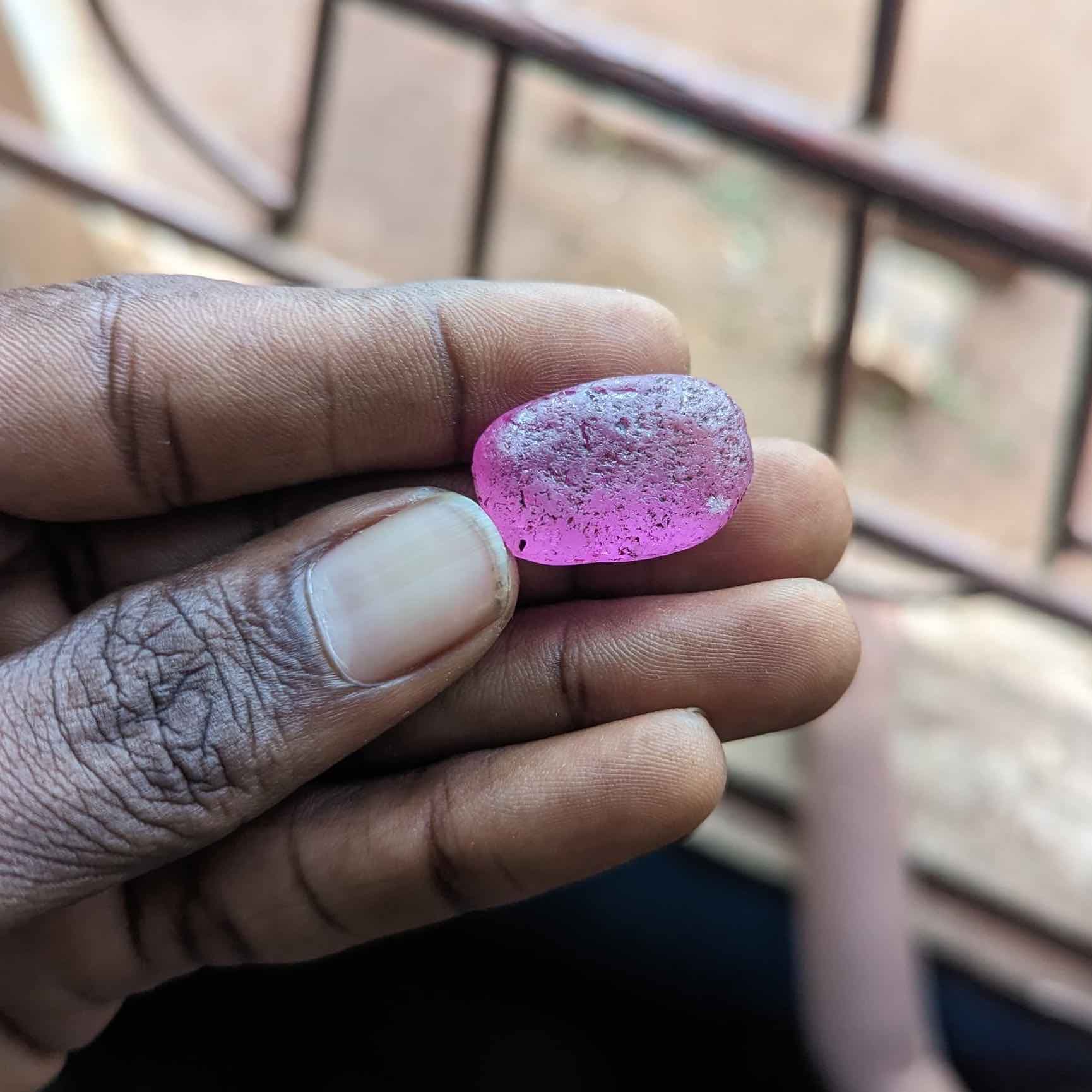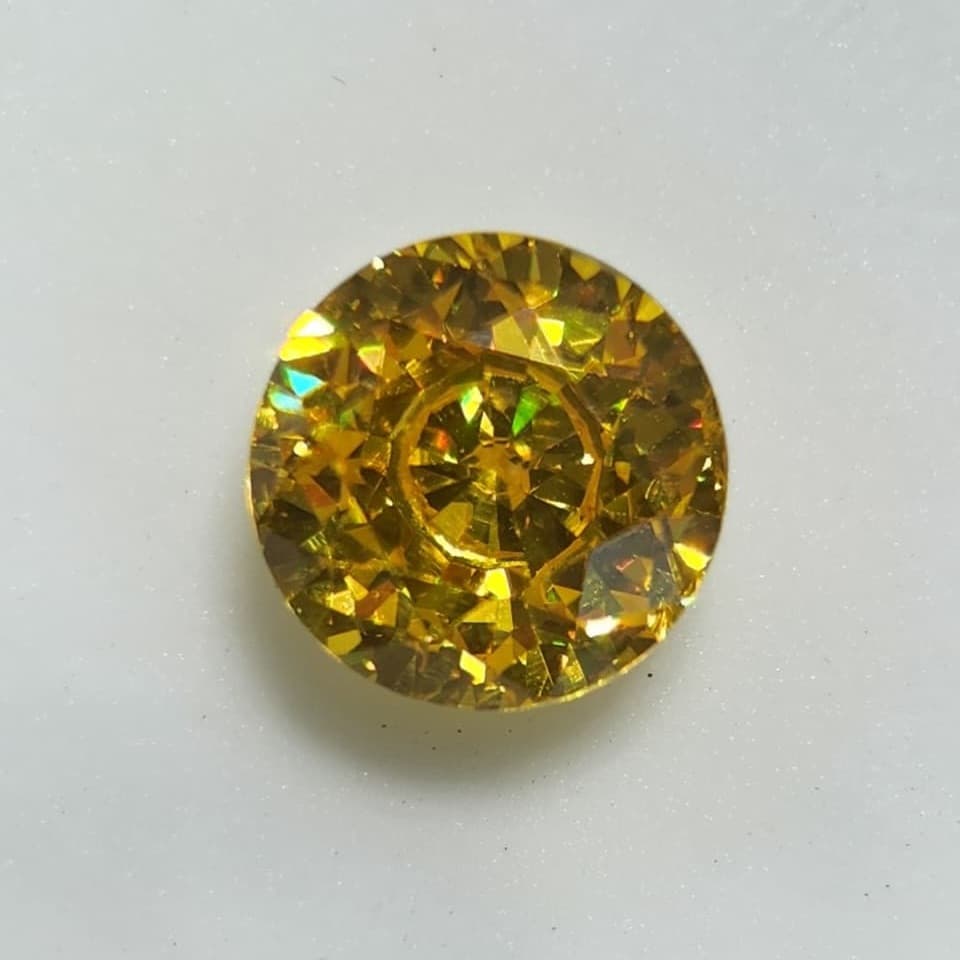
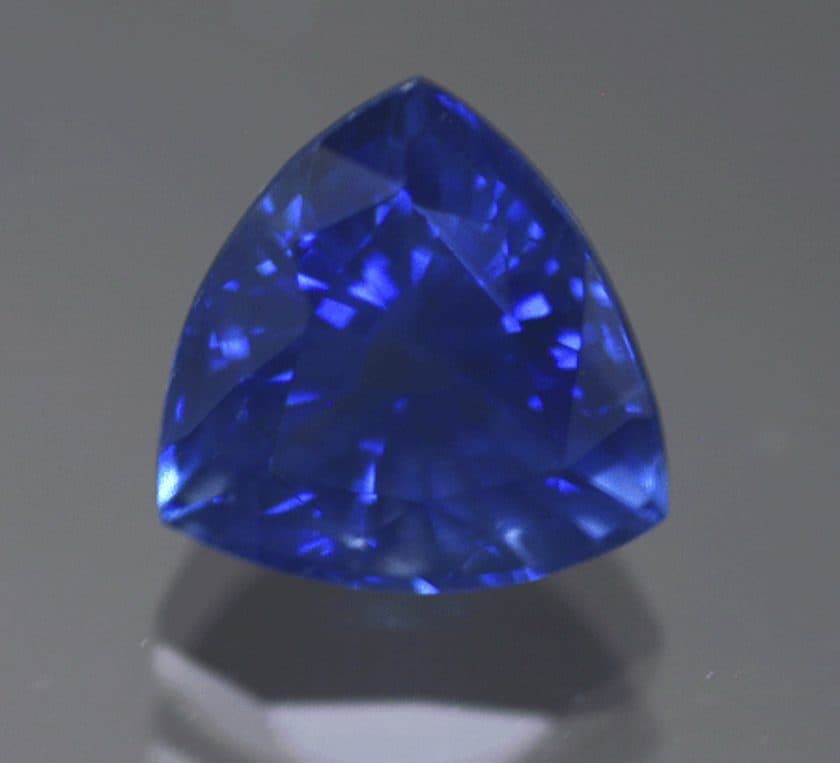
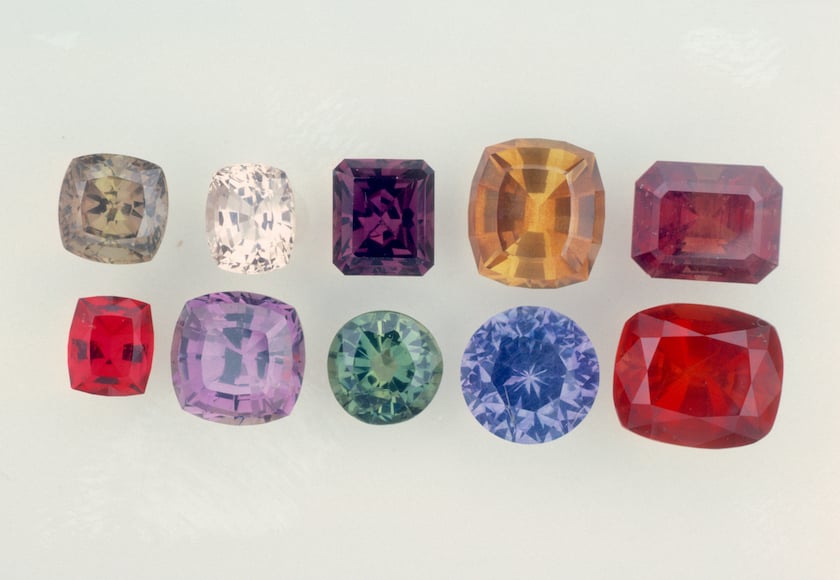
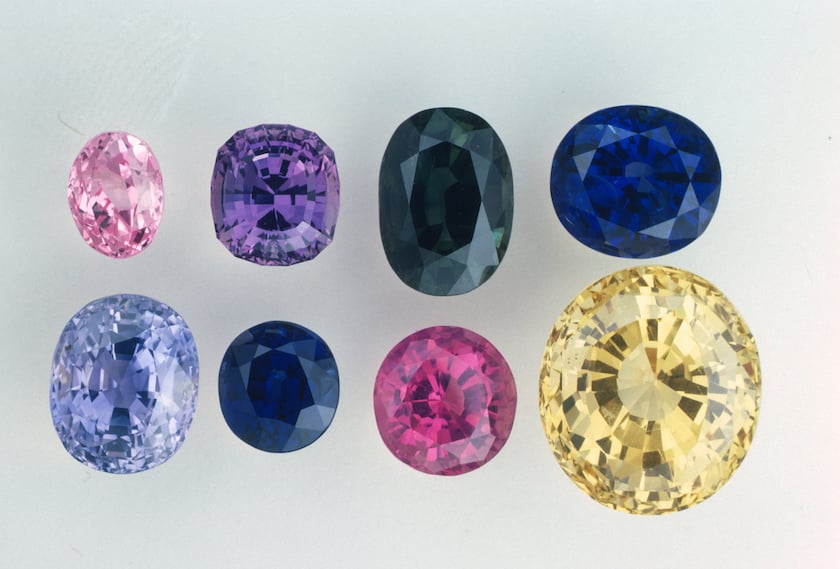
Few gems have held our attention over millennia as well as sapphire. The pure blue colors and excellent durability of this gem-quality member of the corundum family make for an exceptional gemstone. However, not all sapphires are blue. The September birthstone comes in every color of the rainbow. Except red.
13 Minute Read
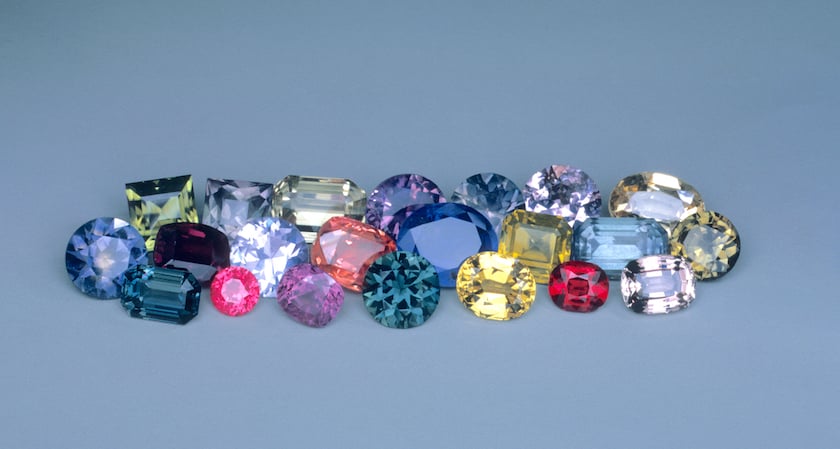
All red, gem-quality corundum gems are considered rubies. All other colors of gem-quality corundum are considered sapphires. On the market, blue sapphires are usually simply called sapphires, while sapphires of other colors are commonly specified as yellow sapphires, pink sapphires, etc, and are collectively known as "fancy sapphires." However, when discussing the physical and optical properties of sapphires, the term "sapphire" applies to all sapphires regardless of color.
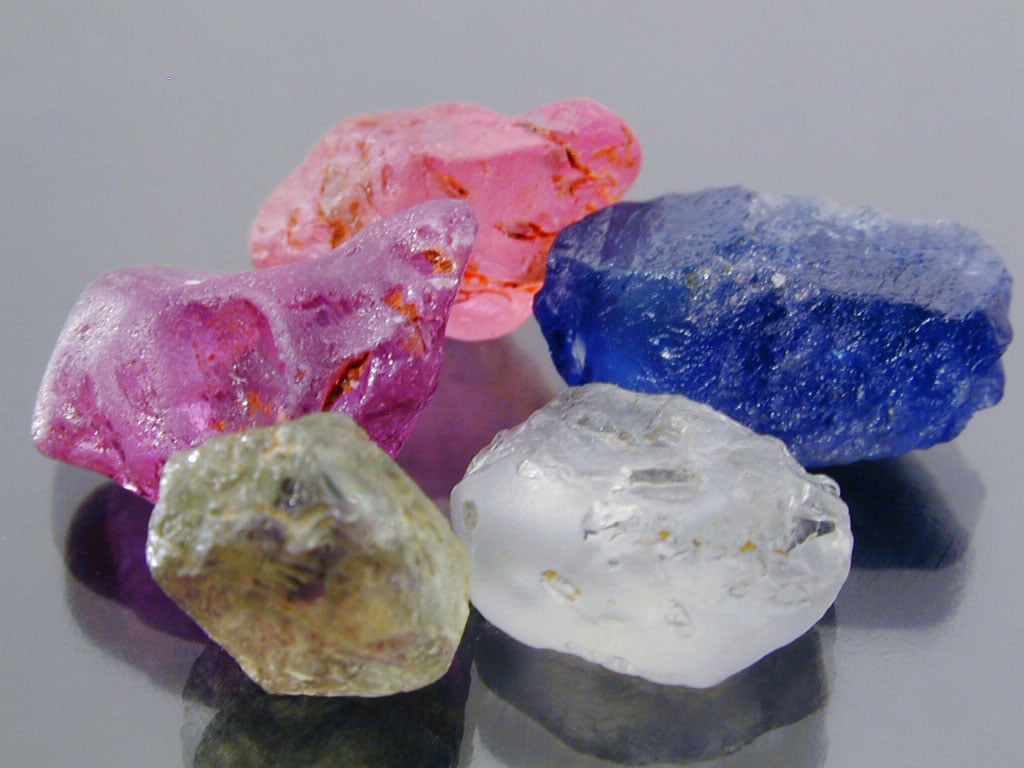
Sapphire is one of the most popular gemstones for jewelry of any kind. Sapphire's hardness is second only to diamond among natural gems. It also has no cleavage planes. These qualities make it a superb jewelry stone for everyday wear, with great resistance to scratches and blows. Of course, a heavily included or fractured stone will be less stable.
Sapphires get their extraordinary colors from trace elements such as iron, titanium, chromium, and others. Different trace elements can cause different colors.
Traces of vanadium may cause color change in some sapphires. These sapphires show one color in daylight or fluorescent light and another in incandescent light.
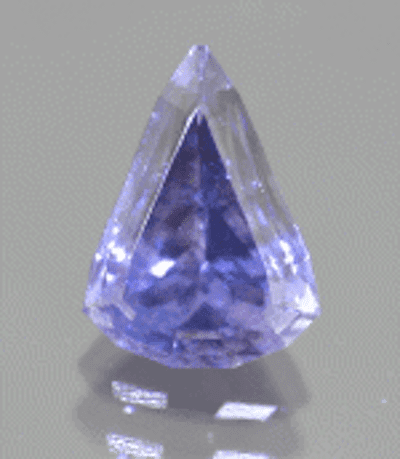
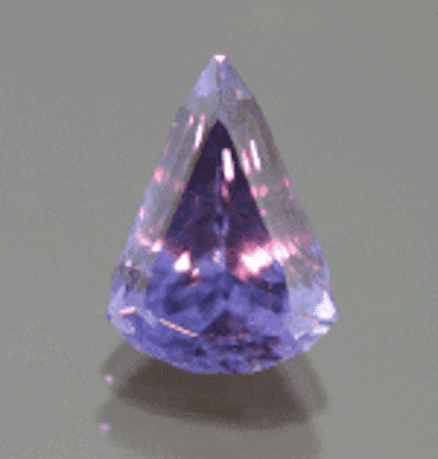
This custom-cut, 1.33-ct sapphire from the Umba Valley in Tanzania shows a violet-blue color in daylight. However, in incandescent light, it shows a deep purple flash. © The Gem Trader. Used with permission.
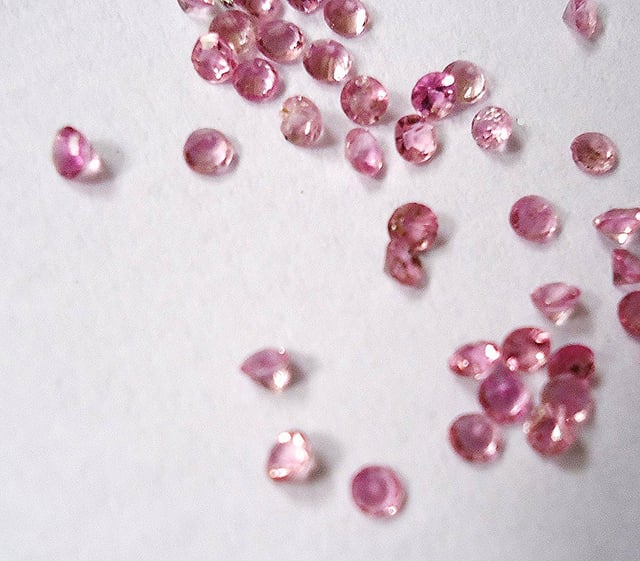
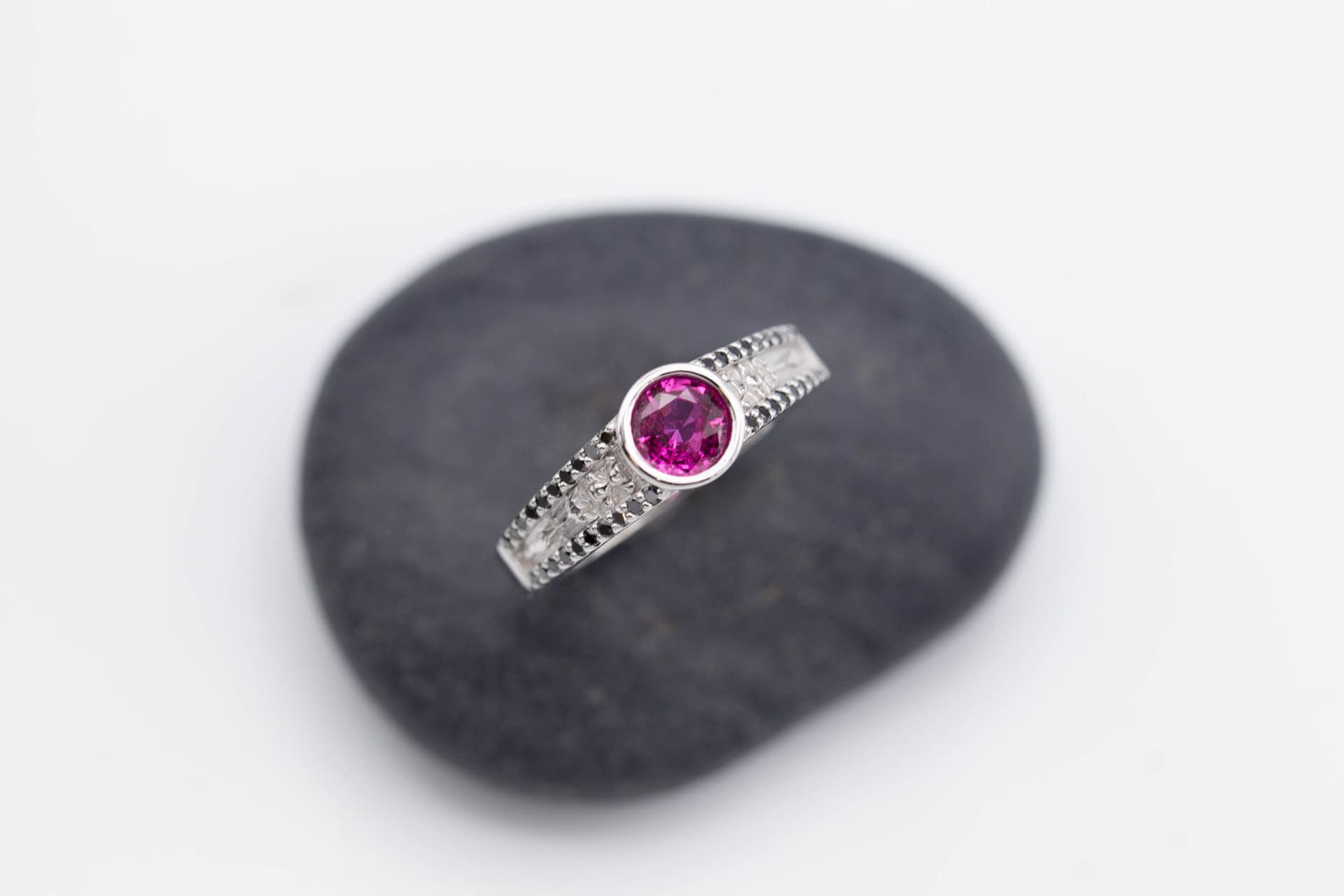
There is some disagreement about the distinction between pink sapphires and rubies. Some authorities classify only corundum gems with a dominant red hue as ruby. Others consider any red corundum to be ruby, including pink, which is a light tone of red.
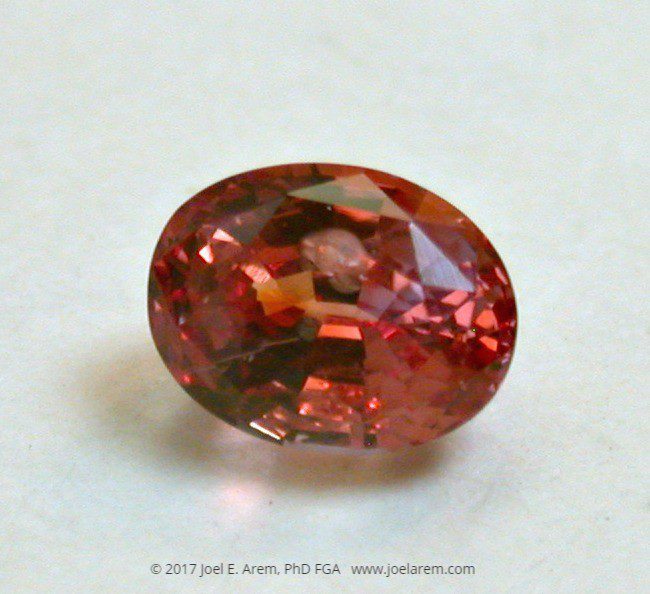
Debates over colors and definitions extend to padparadscha sapphires, too. Subjective descriptions of these "lotus-colored" sapphires include "sunset," "peach," and "salmon." The preferred color qualities range from a light to medium-tone orange-pink to pink with a slight orange hue to orange with a slight pinkish hue to a more deeply saturated orange-pink. These preferences also vary between consumers from Eastern and Western countries.
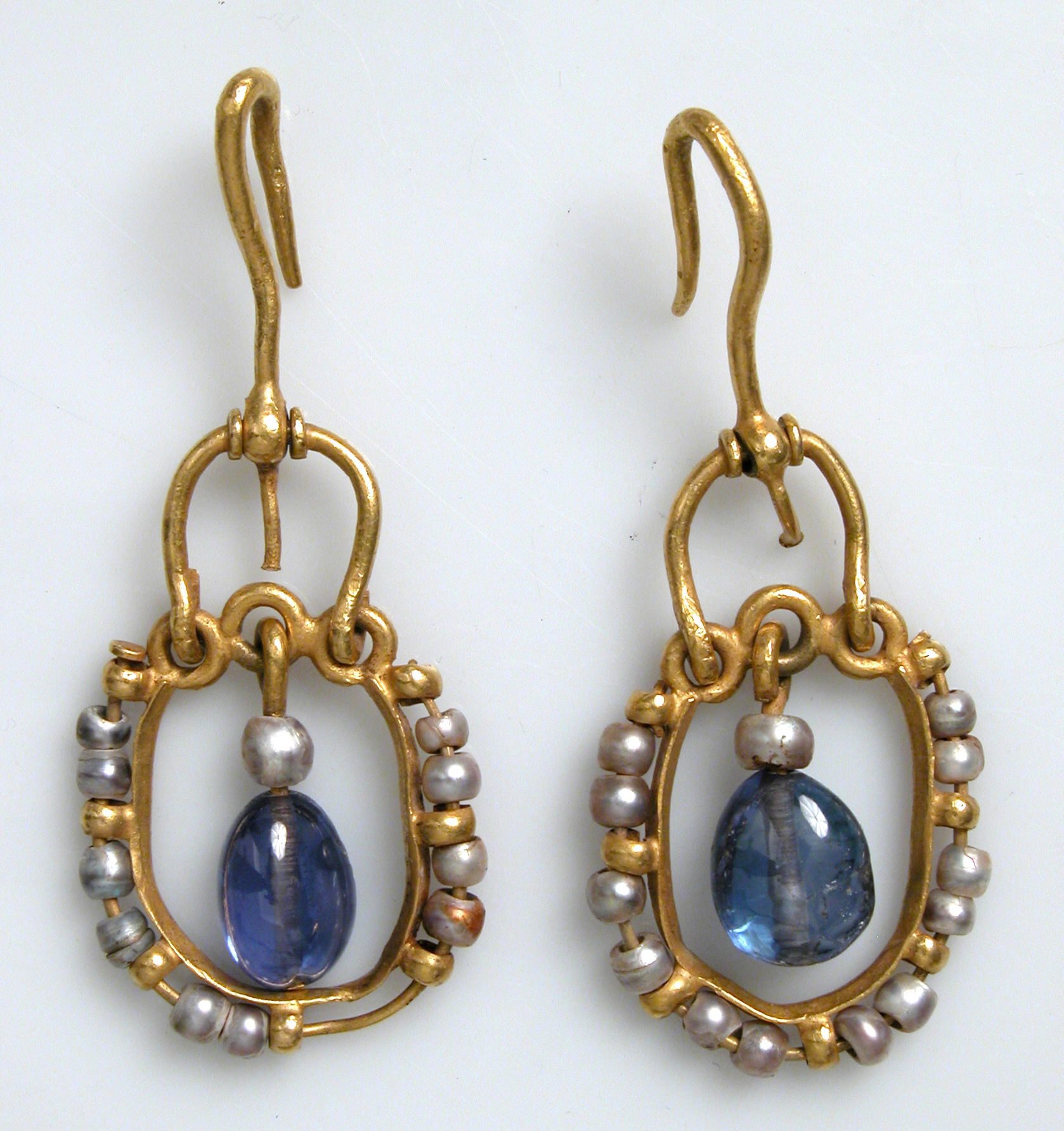
For centuries, sapphire has been popularly associated with royalty and said to protect against poison and fraud. Star sapphires have also been associated with the power to divine the future. However, ancient references to sapphires may actually refer to lapis lazuli, another striking but gemologically distinct blue stone.
Learn more about the myths and romance of the traditional September birthstone in our article on sapphire symbolism.
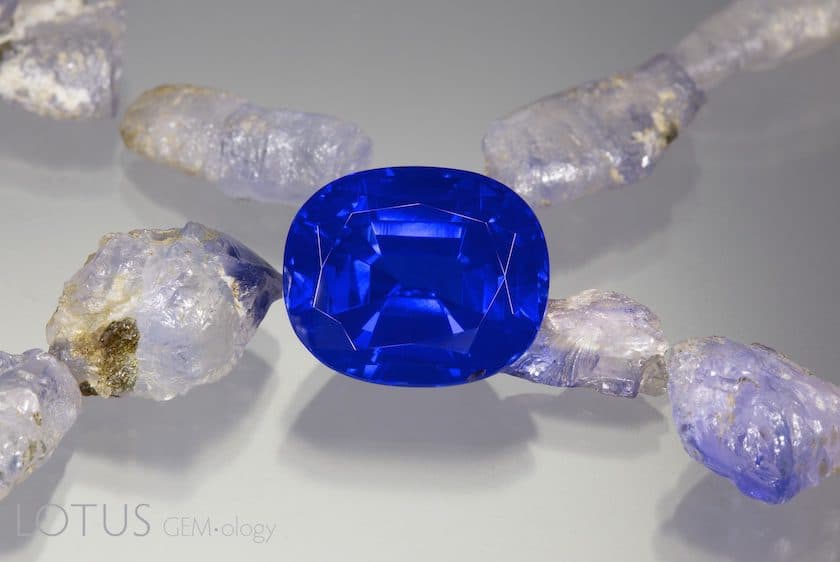
The most highly prized sapphires come from Kashmir. High in the Himalayas, these stones could only be found a few months out of the year. However, these sources are now exhausted.
Kashmir sapphires are special. In addition to their fine color, what sets them apart from all others is their very fine silk inclusions. These scatter light and give the stone a soft, velvety appearance. It creates a glow that, at the same time, minimizes extinction. This effect is only seen in one other stone: Myanmar ruby.
Kashmir sapphires have a price structure all their own. Many sapphires are said to have "Kashmir color" or are called Kashmir due to their color. However, simply having fine color isn't enough to prove origin.
Fortunately, Kashmir sapphires have a variety of features that make them easy to distinguish. Kashmir is the only place where tourmaline and corundum are found together. Although you'll rarely see tourmaline inclusions in a finished sapphire, it often shows up on the rough or associated matrix.
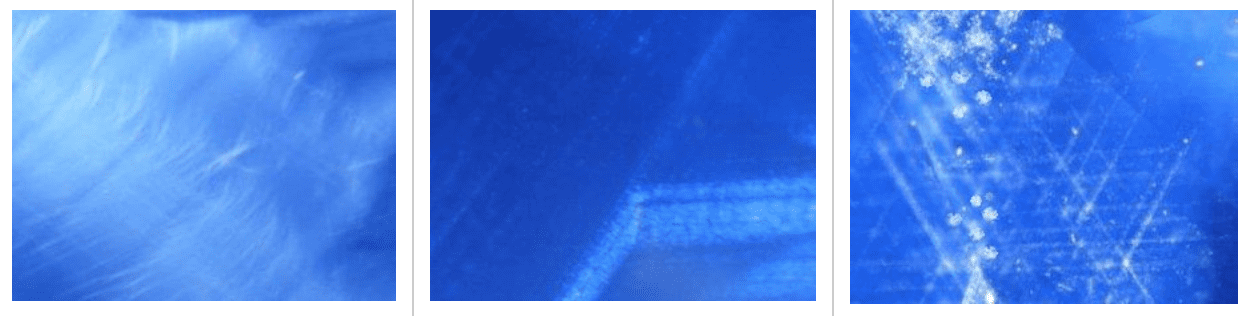
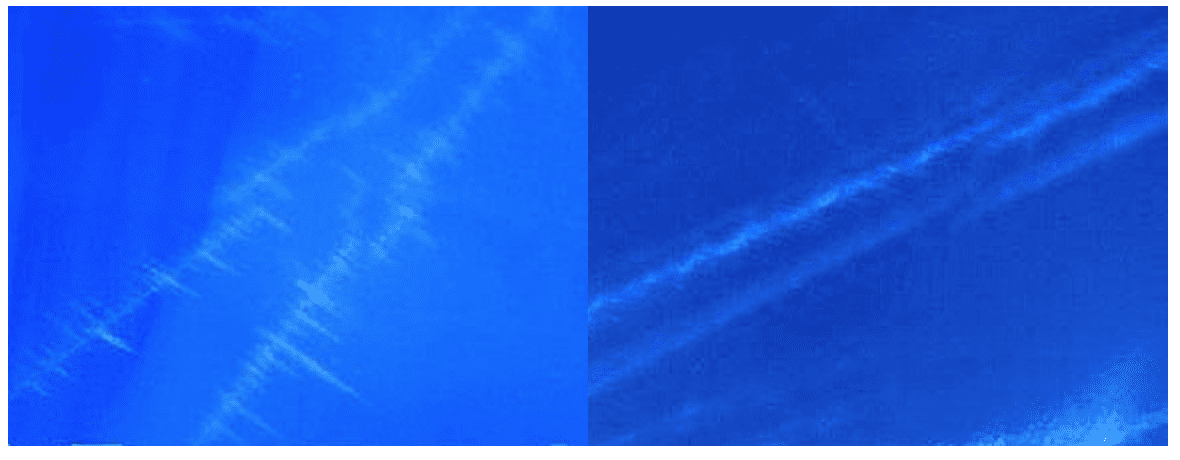
The most visible feature of Kashmir sapphire is its silk. It's much finer than that seen in other sapphires. Its appearance is usually muted, rather than sharp and clear. This is what is known as being "velvety." The first picture below shows the traditional fine, or velvety, silk as well as a "streamer" effect. (However, in this concentration, it will affect the clarity of the gem). In the second picture, the silk is much lighter but still soft in texture. Occasionally where the silk crosses, you'll get "snowflakes" as seen in the third picture.
Silk can take on other distinctive appearances. The silk pattern in the picture below left is called "leather." The sideways markings are what distinguish leather. The picture below right shows parallel streamers. When alone like this, they're often called "comet tails."
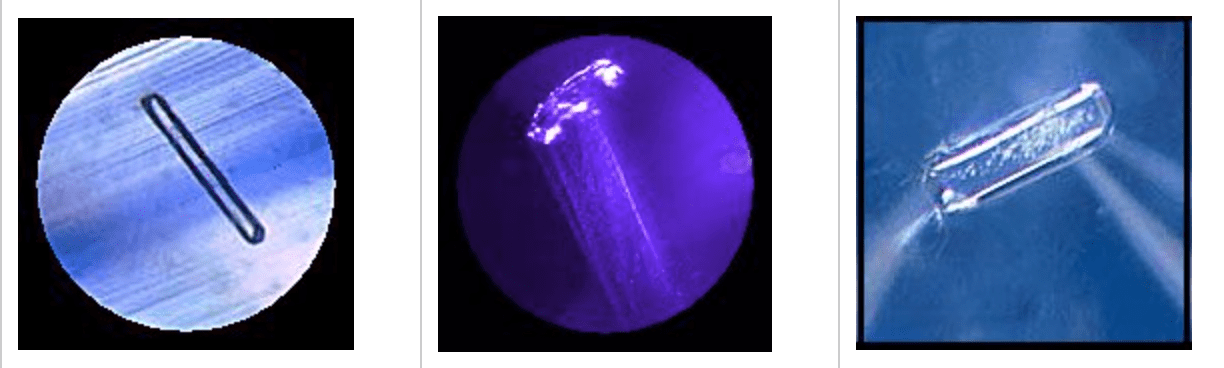
While Kashmir stones have typical sapphire inclusions, they may also contain unique, elongated zircon crystals. Some of them are much more extreme in length than pictured here. These and other inclusions often have streamers.
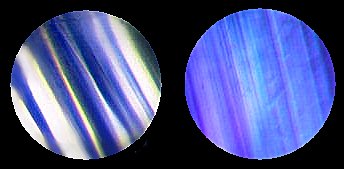
Another identifying feature is extreme color zoning. You can usually see colorless bands between the blue. This feature alone wouldn't be sufficient to make a positive identification, but in combination with any of the above features, it's a strong indication.
Sapphires are highly prized jewelry stones. Determining their geographic origin and whether they're natural or lab-grown is critical. Fortunately, examining their inclusions, luminescence, and absorption spectra can reveal clues.
Sapphires have some characteristic inclusions that can help distinguish them from other natural gems. See the corundum section in our article on inclusions of specific gemstones.
Inclusions can also help identify the source of a sapphire. See our article on identifying the origins of corundum gemstones for more information.

Some inclusions can also help identify a lab-made gem. For example, curved striae are found only in synthetic sapphires and rubies, never natural ones. See our article on inclusions of synthetic gemstones for more information.
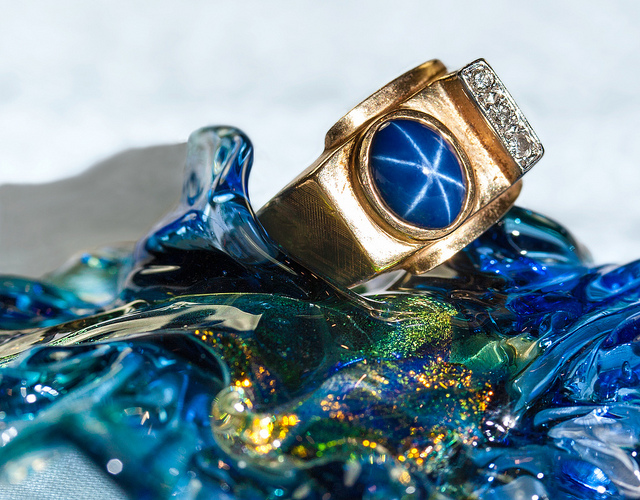
Sapphires can display asterism or the "star effect" due to rutile inclusions in their hexagonal crystal matrix. If this rutile is sufficiently abundant and precisely arranged, proper cabochon cutting can create six-rayed star sapphires.
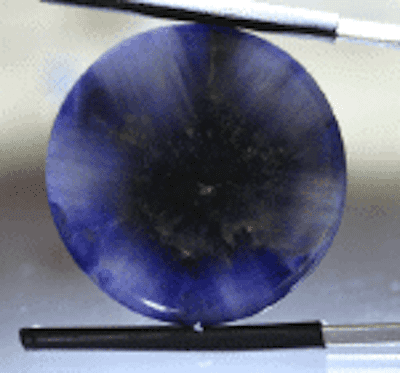
Some sapphires can show a star-like "spoked wheel" pattern. However, these aren't star sapphires. Known as trapiche gems, these rare sapphires develop with carbonaceous inclusions between their crystal growth sectors, which look like the spokes of a wheel. Since sapphires have a highly symmetrical hexagonal crystal habit, trapiche sapphires can show six distinct spokes.
Lapidaries can highlight the unusual appearance of these sapphires with slices or cabochon cuts.
Trapiche emeralds are perhaps the best-known examples of these gems, but other types of gemstones can develop this pattern, including aquamarines, garnets, rubies, spinels, and tourmalines.
Typically, natural blue sapphires have no reaction to ultraviolet light (UV). However, there are some notable exceptions:
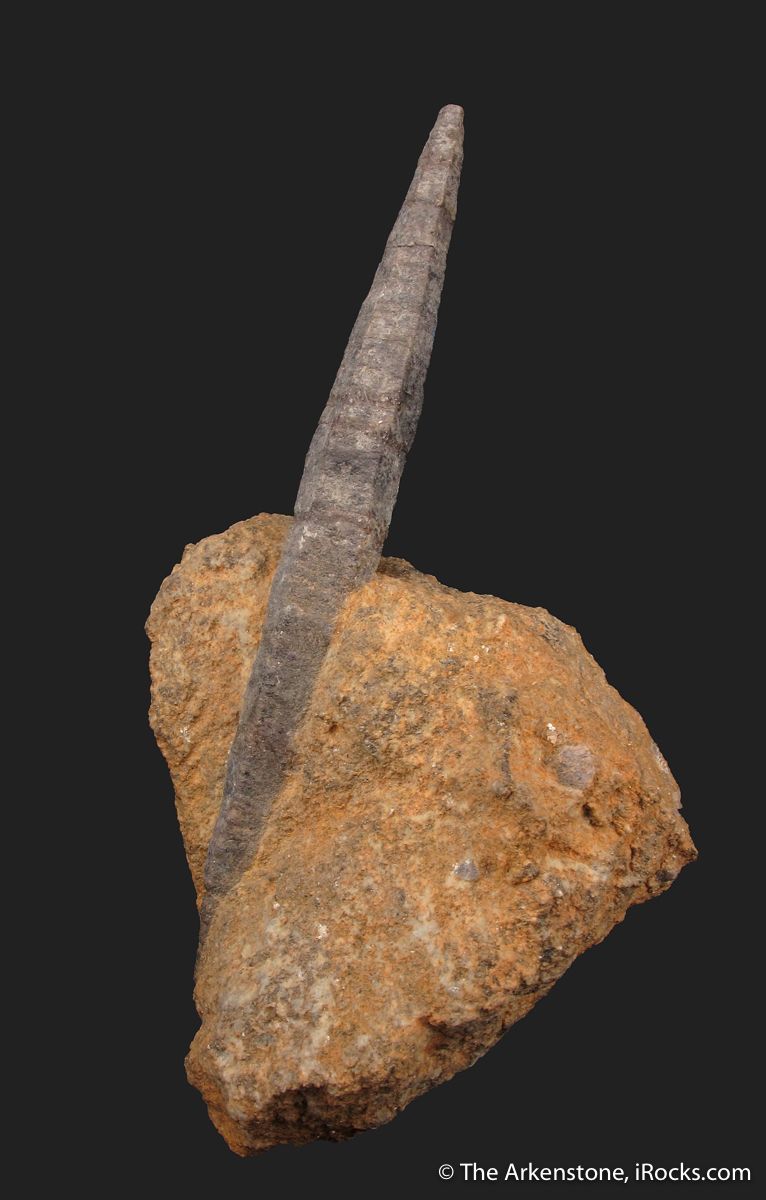
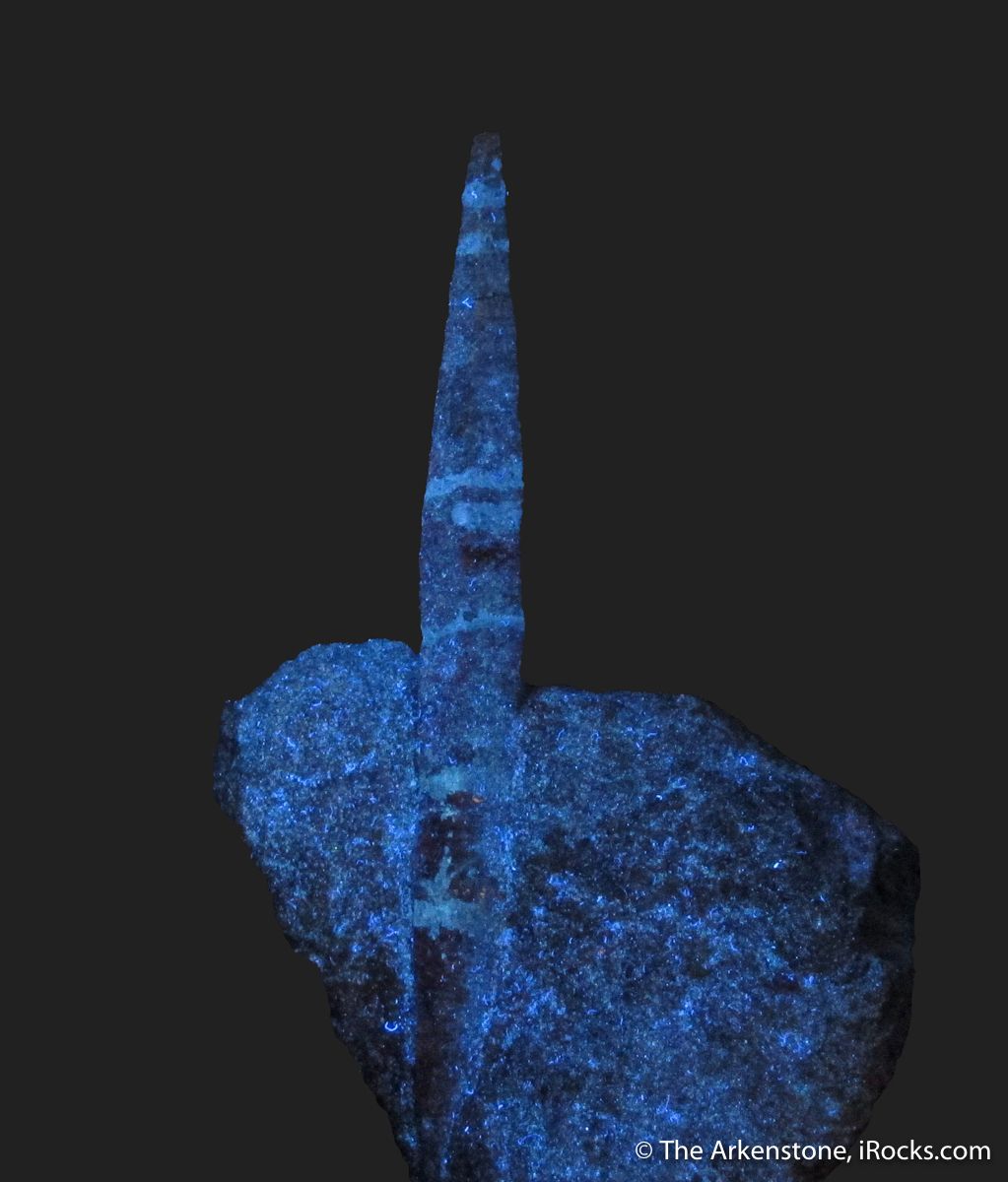
This dramatic crystal specimen features a doubly terminated blueish gray sapphire, 13 cm long, perched in a metamorphic matrix. Both the crystal and matrix fluoresce a striking blue. Soboba Hot Springs, San Jacinto Mts, Riverside Co., California, USA. © Rob Lavinsky, www.iRocks.com. Used with permission.
Some lab-created sapphires, both blue and fancy colors, can show different luminescent colors than their natural counterparts. This can help gemologists distinguish synthetics from mined gems.
Some sapphires from Sri Lanka, Montana, and Kashmir glow dull red or yellow-orange when exposed to X-rays.
The ferric iron spectrum dominates these stones. In green and blue-green gems, rich in iron, there are lines at 4710, 4600, and 4500 in the blue-green region. Also, lines at 4500 and 4600 may seem to merge and become a broad band. These three bands are generally known as the 4500 complex and are very distinctive in sapphires. Some blue Sri Lanka sapphires also show a 6935 red fluorescent line, and the 4500 line is very weak in these gems.
Corundum gemstones, both rubies and sapphires, were first synthesized in the early 1900s by a simple flame fusion process. Today, many sapphires on the market are grown in labs. Gemologists need to be familiar with flame fusion as well as Czochralski, flux, and hydrothermal growth processes in order to distinguish natural from synthetic sapphires.
Modern laboratory methods can simulate natural formation conditions so closely that colors and even inclusions look extremely natural. Such stones are difficult for all but the most highly skilled professionals to identify as synthetic.
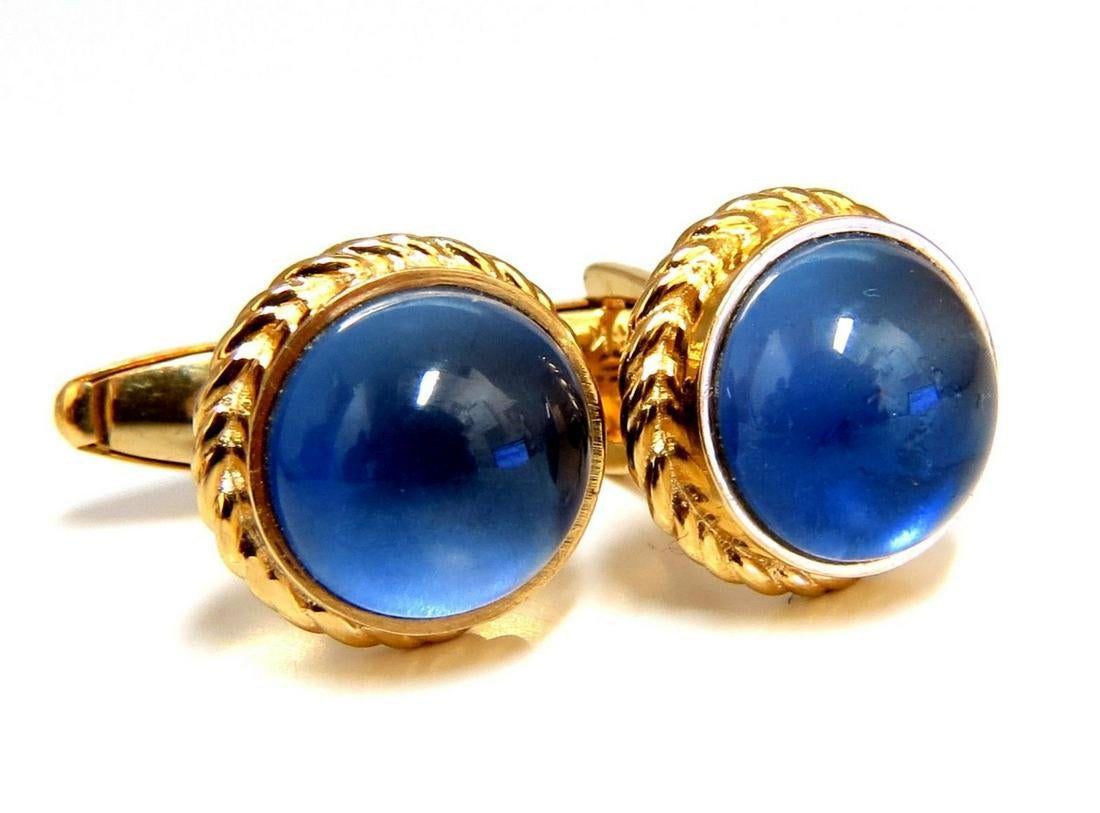
Due to the popularity of blue sapphires, other natural blue gemstones may be used to simulate their appearance. Glass, plastic, and other synthetic materials may also be used. Sometimes, they may be misidentified as sapphires, either accidentally or deliberately in order to sell them for higher prices. Although consumers may find some lookalikes difficult to spot, professional gemologists can usually distinguish these gemstones with standard tests.
Although blue remains the most well-known and expensive sapphire color, you might also encounter simulated pink and padparadscha sapphires as their popularity increases.

There are numerous treatment methods for sapphires. For details on these processes and how to distinguish them, see our article on corundum treatments.

Sapphires occur abundantly all over the world, but gem-quality sapphires occur much more rarely and in fewer locations. The following are some of the most notable gem sources. Consult our article on identifying the origins of rubies and sapphires for additional sources and information.
This ancient source still produces beautiful sapphires of all colors. Most blue sapphires on the market originate from here, too. These gems tend to show slightly grayish to violet-blue hues and have a light to medium tone.
Kashmir stones set the standard for evaluating blue sapphires. Verified historic Kashmir sapphires can sell for astronomical prices. They have a velvety texture and their colors tend towards slightly purplish blue, with strong to vivid saturation and medium to medium-dark tone. Review the section on Kashmir sapphires above for more information.
Australian sapphires tend to have dark colors, although some very fine gems have come from the area. Also of interest are the parti-colored sapphires which are usually yellow and green or yellow and blue.
Formerly known as Burma, Myanmar produces some very high-quality sapphires. The colors are slightly violet blue, highly saturated, medium to medium dark tone.
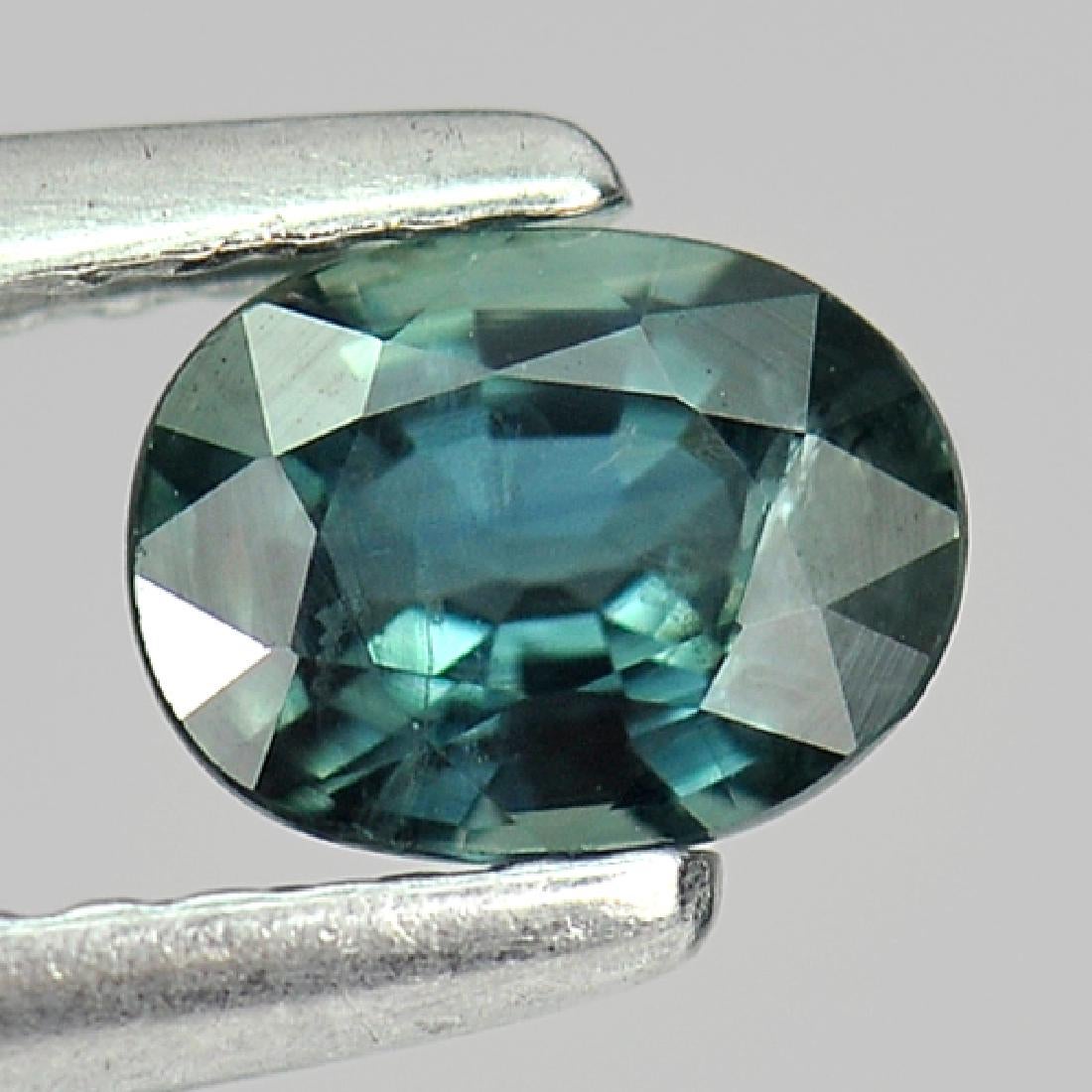
This nation produces blue sapphires abundantly. Their hue and saturation tend to be fine, although many are strongly dichroic, with a dirty green in one direction. Unless properly cut, the green will show in the finished stone. The stones are also very dark, requiring special cutting to show the color.
This American state produces sapphires of all colors. Unfortunately, most of them are "steely," meaning they have grayish saturation. The sapphires from Yogo Gulch are an exception, with some of the world's finest coloring. However, these small stones rarely finish over one carat.
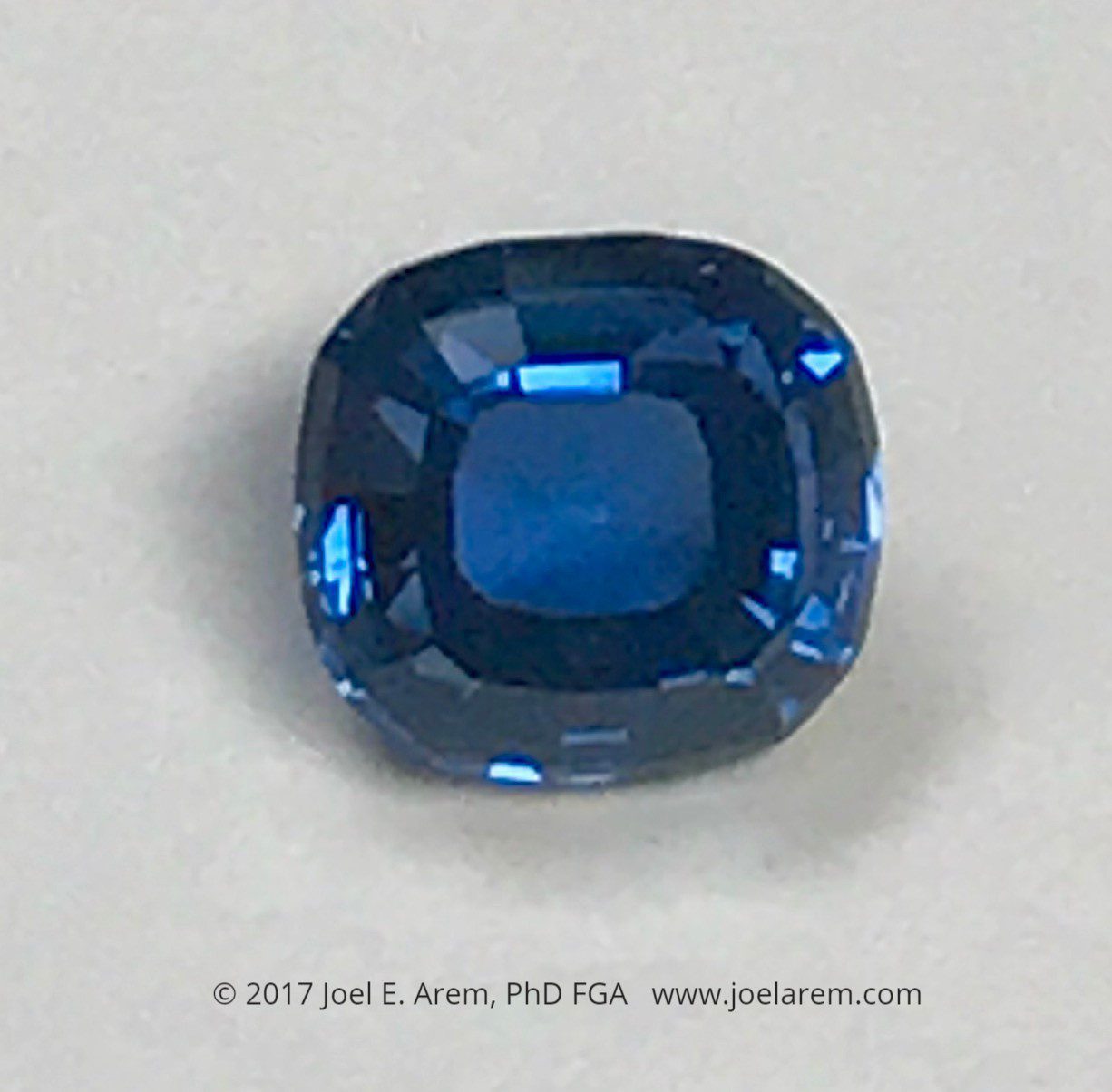
Not surprisingly, some sapphires have become well-known for their sizes as well as their histories. You can learn more about the Logan Sapphire, the Star of India, the Bismarck Sapphire, and others in our article on famous sapphires.
Please note: you may find these names used purely as descriptive terms. Always confirm the origin of a sapphire with a vendor, especially if the gem is sold with a "geographic" name. Ask if the name refers to the actual origin or simply the color. Sapphires can't always be identified by their color alone.
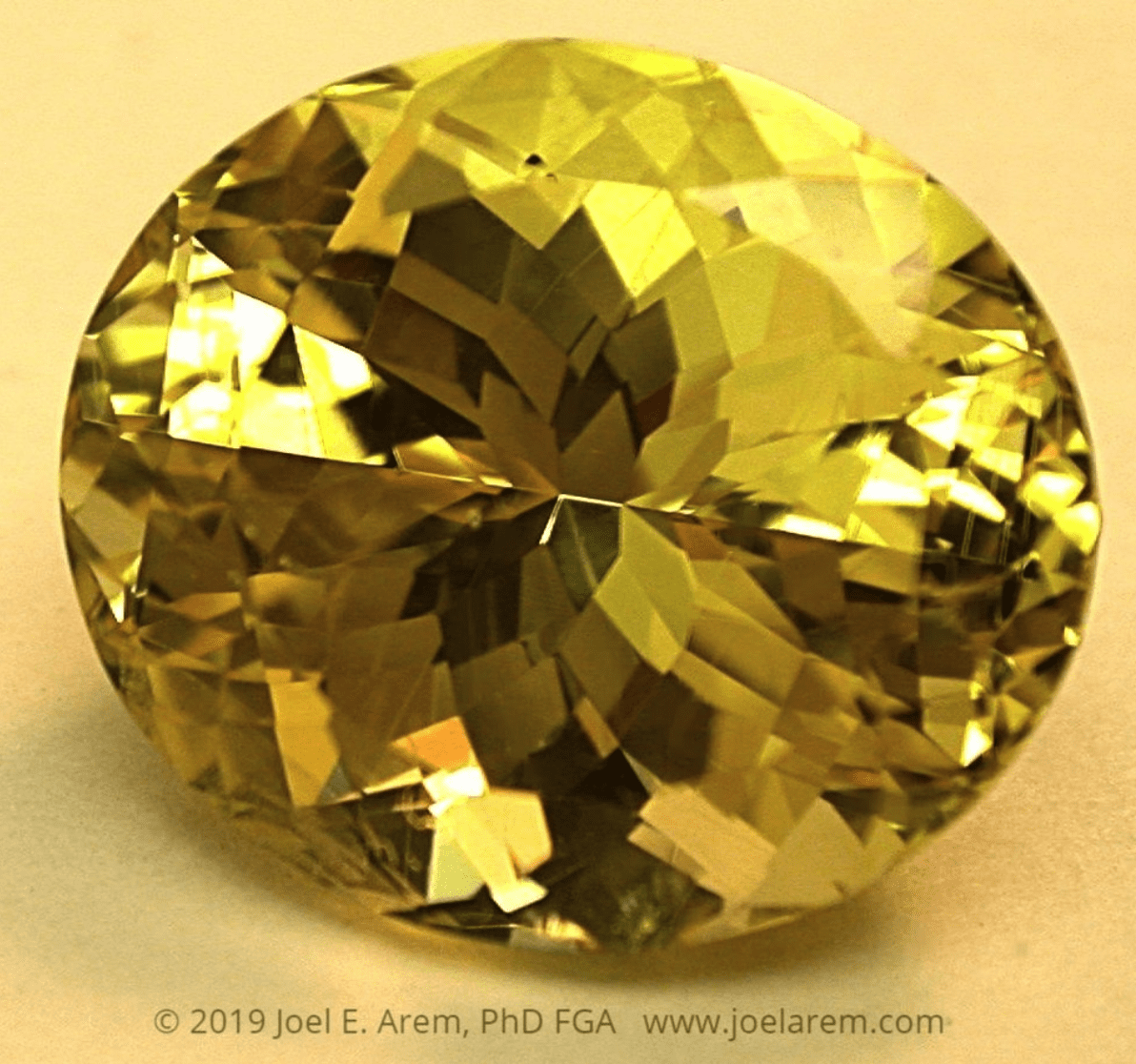
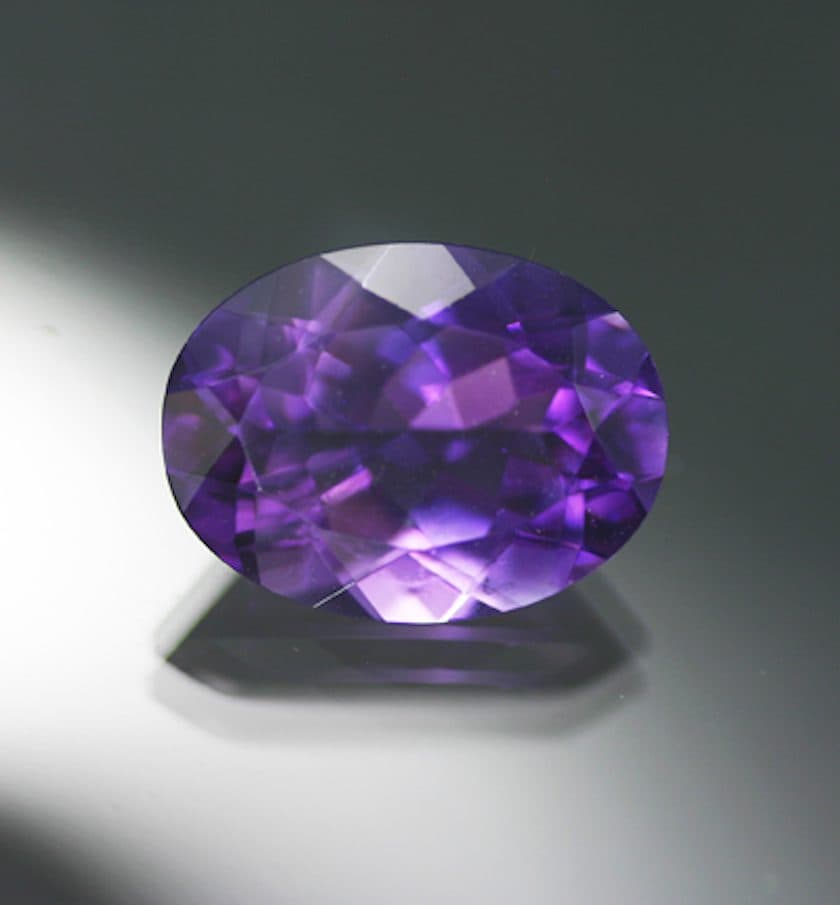
Yellow sapphire is sometimes misleadingly referred to as "Oriental Topaz" or "King Topaz." Green sapphire is sometimes misleadingly referred to as "Oriental Emerald." Purple sapphire is sometimes misleadingly referred to as "Oriental Amethyst." Since these sapphire colors are less well-known, vendors might try to present them as gems more commonly and strongly associated with yellow, green, or purple, for example.
Consult our list of false or misleading gemstones names for more information.
For stones reasonably free of inclusions or fractures, no special wear or care precautions are necessary. However, avoid cleaning any oil-treated sapphires with ultrasonic systems. Otherwise, you can clean sapphires with mechanical systems. Nevertheless, cleaning your sapphires at home with warm water, detergent, and a soft brush or taking them to a professional jeweler are your safest choices.
Consult our gemstone jewelry care guide for more recommendations.

When you join the IGS community, you get trusted diamond & gemstone information when you need it.
All red, gem-quality corundum gems are considered rubies. All other colors of gem-quality corundum are considered sapphires. On the market, blue sapphires are usually simply called sapphires, while sapphires of other colors are commonly specified as yellow sapphires, pink sapphires, etc, and are collectively known as "fancy sapphires." However, when discussing the and of sapphires, the term "sapphire" applies to all sapphires regardless of color.
Sapphire is one of the most popular gemstones for jewelry of any kind. Sapphire's hardness is second only to diamond among natural gems. It also has no cleavage planes. These qualities make it a superb jewelry stone for everyday wear, with great resistance to scratches and blows. Of course, a heavily included or fractured stone will be less stable.
Sapphires get their extraordinary colors from trace elements such as iron, titanium, chromium, and others. Different trace elements can cause different colors.
Traces of vanadium may cause color change in some sapphires. These sapphires show one color in daylight or fluorescent light and another in incandescent light.
This custom-cut, 1.33-ct sapphire from the Umba Valley in Tanzania shows a violet-blue color in daylight. However, in incandescent light, it shows a deep purple flash. © The Gem Trader. Used with permission.
There is some disagreement about the distinction between pink sapphires and rubies. Some authorities classify only corundum gems with a dominant red hue as ruby. Others consider any red corundum to be ruby, including pink, which is a light tone of red.
Debates over colors and definitions extend to padparadscha sapphires, too. Subjective descriptions of these "lotus-colored" sapphires include "sunset," "peach," and "salmon." The preferred color qualities range from a light to medium-tone orange-pink to pink with a slight orange hue to orange with a slight pinkish hue to a more deeply saturated orange-pink. These preferences also vary between consumers from Eastern and Western countries.
For centuries, sapphire has been popularly associated with royalty and said to protect against poison and fraud. Star sapphires have also been associated with the power to divine the future. However, ancient references to sapphires may actually refer to lapis lazuli, another striking but gemologically distinct blue stone.
Learn more about the myths and romance of the traditional September birthstone in our article on sapphire symbolism.
The most highly prized sapphires come from Kashmir. High in the Himalayas, these stones could only be found a few months out of the year. However, these sources are now exhausted.
Kashmir sapphires are special. In addition to their fine color, what sets them apart from all others is their very fine silk inclusions. These scatter light and give the stone a soft, velvety appearance. It creates a glow that, at the same time, minimizes extinction. This effect is only seen in one other stone: Myanmar ruby.
Kashmir sapphires have a price structure all their own. Many sapphires are said to have "Kashmir color" or are called Kashmir due to their color. However, simply having fine color isn't enough to prove origin.
Fortunately, Kashmir sapphires have a variety of features that make them easy to distinguish. Kashmir is the only place where tourmaline and corundum are found together. Although you'll rarely see tourmaline inclusions in a finished sapphire, it often shows up on the rough or associated matrix.
The most visible feature of Kashmir sapphire is its silk. It's much finer than that seen in other sapphires. Its appearance is usually muted, rather than sharp and clear. This is what is known as being "velvety." The first picture below shows the traditional fine, or velvety, silk as well as a "streamer" effect. (However, in this concentration, it will affect the clarity of the gem). In the second picture, the silk is much lighter but still soft in texture. Occasionally where the silk crosses, you'll get "snowflakes" as seen in the third picture.
Silk can take on other distinctive appearances. The silk pattern in the picture below left is called "leather." The sideways markings are what distinguish leather. The picture below right shows parallel streamers. When alone like this, they're often called "comet tails."
While Kashmir stones have typical sapphire inclusions, they may also contain unique, elongated zircon crystals. Some of them are much more extreme in length than pictured here. These and other inclusions often have streamers.
Another identifying feature is extreme color zoning. You can usually see colorless bands between the blue. This feature alone wouldn't be sufficient to make a positive identification, but in combination with any of the above features, it's a strong indication.
Sapphires are highly prized jewelry stones. Determining their geographic origin and whether they're natural or lab-grown is critical. Fortunately, examining their inclusions, luminescence, and absorption spectra can reveal clues.
Sapphires have some characteristic inclusions that can help distinguish them from other natural gems. See the corundum section in our article on inclusions of specific gemstones.
Inclusions can also help identify the source of a sapphire. See our article on identifying the origins of corundum gemstones for more information.
Some inclusions can also help identify a lab-made gem. For example, curved striae are found only in synthetic sapphires and rubies, never natural ones. See our article on inclusions of synthetic gemstones for more information.
Sapphires can display asterism or the "star effect" due to rutile inclusions in their hexagonal crystal matrix. If this rutile is sufficiently abundant and precisely arranged, proper cabochon cutting can create six-rayed star sapphires.
Some sapphires can show a star-like "spoked wheel" pattern. However, these aren't star sapphires. Known as trapiche gems, these rare sapphires develop with carbonaceous inclusions between their crystal growth sectors, which look like the spokes of a wheel. Since sapphires have a highly symmetrical hexagonal crystal habit, trapiche sapphires can show six distinct spokes.
Lapidaries can highlight the unusual appearance of these sapphires with slices or cabochon cuts.
Trapiche emeralds are perhaps the best-known examples of these gems, but other types of gemstones can develop this pattern, including aquamarines, garnets, rubies, spinels, and tourmalines.
Typically, natural blue sapphires have no reaction to ultraviolet light (UV). However, there are some notable exceptions:
This dramatic crystal specimen features a doubly terminated blueish gray sapphire, 13 cm long, perched in a metamorphic matrix. Both the crystal and matrix fluoresce a striking blue. Soboba Hot Springs, San Jacinto Mts, Riverside Co., California, USA. © Rob Lavinsky, www.iRocks.com. Used with permission.
Some lab-created sapphires, both blue and fancy colors, can show different luminescent colors than their natural counterparts. This can help gemologists distinguish synthetics from mined gems.
Some sapphires from Sri Lanka, Montana, and Kashmir glow dull red or yellow-orange when exposed to X-rays.
The ferric iron spectrum dominates these stones. In green and blue-green gems, rich in iron, there are lines at 4710, 4600, and 4500 in the blue-green region. Also, lines at 4500 and 4600 may seem to merge and become a broad band. These three bands are generally known as the 4500 complex and are very distinctive in sapphires. Some blue Sri Lanka sapphires also show a 6935 red fluorescent line, and the 4500 line is very weak in these gems.
Corundum gemstones, both rubies and sapphires, were first synthesized in the early 1900s by a simple flame fusion process. Today, many sapphires on the market are grown in labs. Gemologists need to be familiar with flame fusion as well as Czochralski, flux, and hydrothermal growth processes in order to distinguish natural from synthetic sapphires.
Modern laboratory methods can simulate natural formation conditions so closely that colors and even inclusions look extremely natural. Such stones are difficult for all but the most highly skilled professionals to identify as synthetic.
Due to the popularity of blue sapphires, other natural blue gemstones may be used to simulate their appearance. Glass, plastic, and other synthetic materials may also be used. Sometimes, they may be misidentified as sapphires, either accidentally or deliberately in order to sell them for higher prices. Although consumers may find some lookalikes difficult to spot, professional gemologists can usually distinguish these gemstones with standard tests.
Although blue remains the most well-known and expensive sapphire color, you might also encounter simulated pink and padparadscha sapphires as their popularity increases.
There are numerous treatment methods for sapphires. For details on these processes and how to distinguish them, see our article on corundum treatments.
Sapphires occur abundantly all over the world, but gem-quality sapphires occur much more rarely and in fewer locations. The following are some of the most notable gem sources. Consult our article on identifying the origins of rubies and sapphires for additional sources and information.
This ancient source still produces beautiful sapphires of all colors. Most blue sapphires on the market originate from here, too. These gems tend to show slightly grayish to violet-blue hues and have a light to medium tone.
Kashmir stones set the standard for evaluating blue sapphires. Verified historic Kashmir sapphires can sell for astronomical prices. They have a velvety texture and their colors tend towards slightly purplish blue, with strong to vivid saturation and medium to medium-dark tone. Review the section on Kashmir sapphires above for more information.
Australian sapphires tend to have dark colors, although some very fine gems have come from the area. Also of interest are the parti-colored sapphires which are usually yellow and green or yellow and blue.
Formerly known as Burma, Myanmar produces some very high-quality sapphires. The colors are slightly violet blue, highly saturated, medium to medium dark tone.
This nation produces blue sapphires abundantly. Their hue and saturation tend to be fine, although many are strongly dichroic, with a dirty green in one direction. Unless properly cut, the green will show in the finished stone. The stones are also very dark, requiring special cutting to show the color.
This American state produces sapphires of all colors. Unfortunately, most of them are "steely," meaning they have grayish saturation. The sapphires from Yogo Gulch are an exception, with some of the world's finest coloring. However, these small stones rarely finish over one carat.
Not surprisingly, some sapphires have become well-known for their sizes as well as their histories. You can learn more about the Logan Sapphire, the Star of India, the Bismarck Sapphire, and others in our article on famous sapphires.
Please note: you may find these names used purely as descriptive terms. Always confirm the origin of a sapphire with a vendor, especially if the gem is sold with a "geographic" name. Ask if the name refers to the actual origin or simply the color. Sapphires can't always be identified by their color alone.
Yellow sapphire is sometimes misleadingly referred to as "Oriental Topaz" or "King Topaz." Green sapphire is sometimes misleadingly referred to as "Oriental Emerald." Purple sapphire is sometimes misleadingly referred to as "Oriental Amethyst." Since these sapphire colors are less well-known, vendors might try to present them as gems more commonly and strongly associated with yellow, green, or purple, for example.
Consult our list of false or misleading gemstones names for more information.
For stones reasonably free of inclusions or fractures, no special wear or care precautions are necessary. However, avoid cleaning any oil-treated sapphires with ultrasonic systems. Otherwise, you can clean sapphires with mechanical systems. Nevertheless, cleaning your sapphires at home with warm water, detergent, and a soft brush or taking them to a professional jeweler are your safest choices.
Consult our gemstone jewelry care guide for more recommendations.



Few gems have held our attention over millennia as well as sapphire. The durability of this gem-quality member of the corundum family makes it an exceptional gemstone. The rare, blue Kashmir sapphire commands the highest prices, sometimes over $200,000 a carat. Other unheated, pure blues can sell for $2,000-$10,000 per carat depending on size. But, did you know that not all sapphires are blue? The September birthstone comes in every color of the rainbow except red.
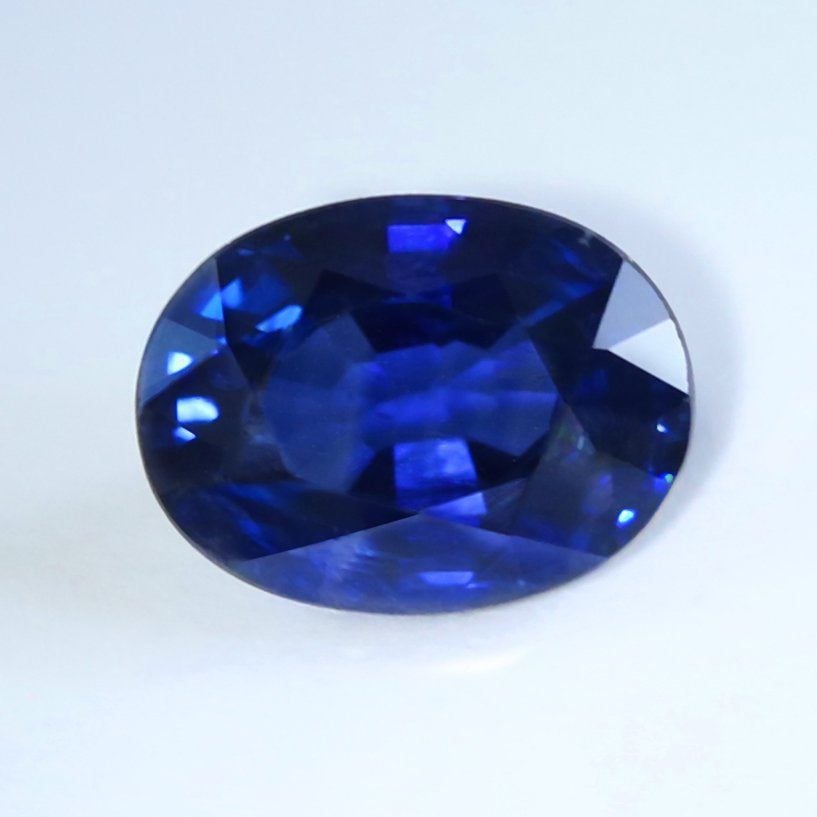
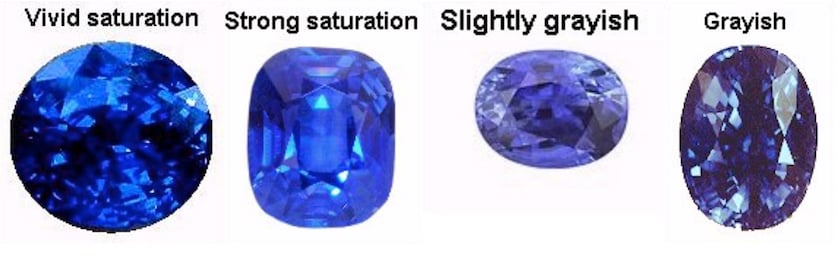
Color is the most important element in estimating the value of blue sapphire. Although hue counts, the closer to a pure blue the better, saturation is more important. Top sapphires reach vivid saturation. (Many sapphires on the market are actually grayish). Tone is also an important consideration. Dark sapphires are abundant and never reach very high values. (Of course, the same can be said for all dark gems: too dark and they’ll only be moderately valuable). The pictures below are a rough illustration of differences in blue sapphire saturation.
After blue, pink and pink-orange padparadscha colors command the highest prices.
For more information on sapphire quality factors, consult our sapphire buying guide, blue sapphire appraisal guide, and sapphire engagement ring guide.